Crumbs! The psychology behind the rise and rise of baking
Baking became big during lockdown.
Marie McCarthy perfected her blueberry muffins during lockdown. “They’re my husband’s favourite so I wanted to get them right!” says the Carrigaline-based mum of one, who was on maternity leave when the first lockdown started. “I did a lot of baking – banana bread, porridge bread and a nice lemon yogurt cake.”
She also entered the National Brown Bread Baking Competition – and won it with a family recipe used also by her mum and aunt. “We all bake the same recipe but it turns out different for each of us. We tweak it. I pack quite a lot of seeds in mine. They might up the wholemeal quantity. I use half wholemeal, half white flour to lighten it, but it’s the same basic overall recipe.”
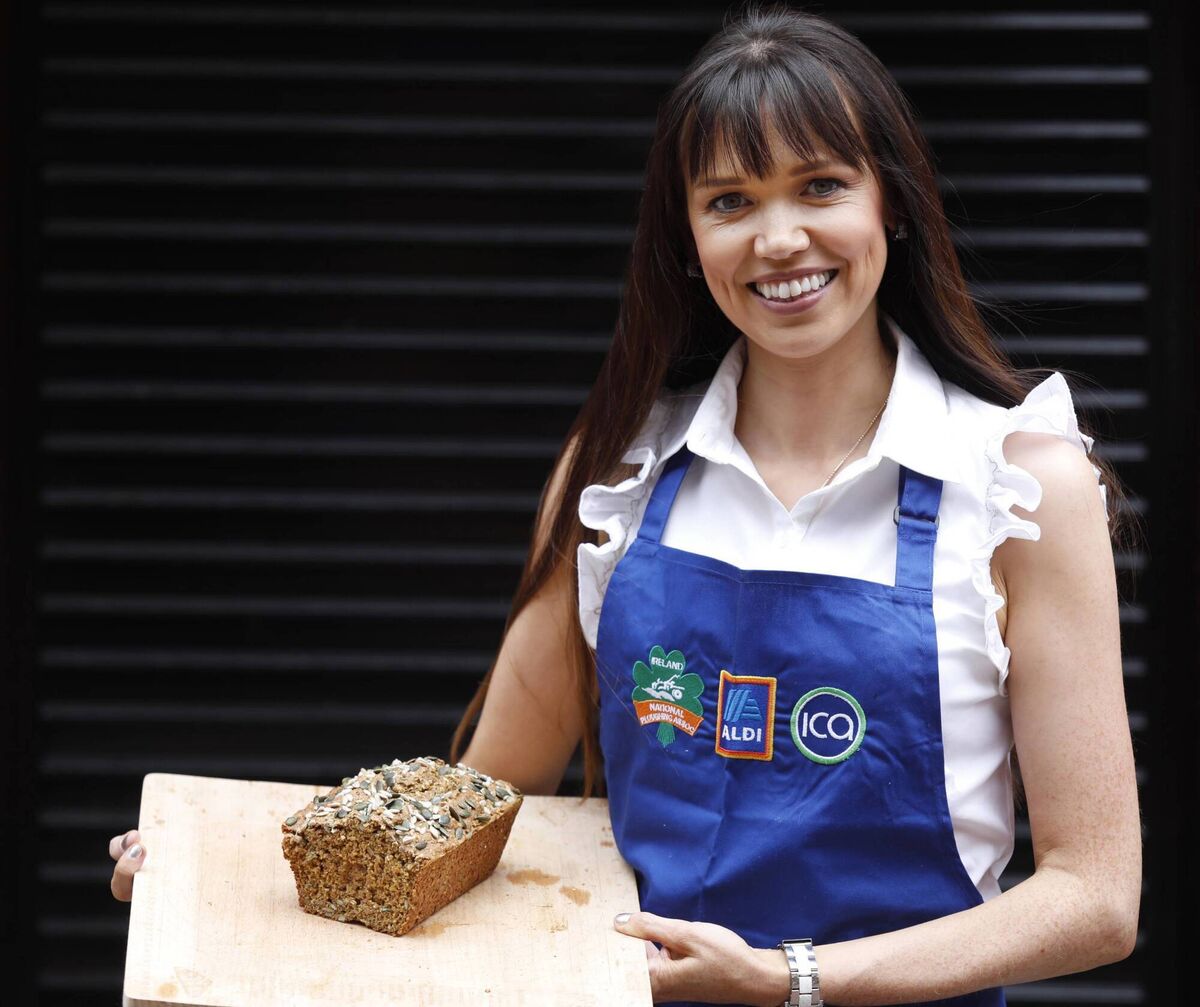
Marie, who used to work in human resources, was thrilled to win – the prize was €15,000 and her bread’s for sale in all Aldi stores – and the competition had its most successful year ever with a record 700 entries. “To win in 2020 after everyone baking during lockdown was a real privilege,” says Marie who recalls, as a little girl, how very tactile it was crumbing flour and butter together to make scones with her mother.
Marie’s Brown Bread on sale in all 145 Aldi stores nationwide from Saturday, December 12, priced at €1.79.
Baking’s therapeutic and pleasurable, she says, when I ask why she thinks baking got big during lockdown. “I cook everyday – but I don’t bake everyday. With cooking you’re nearly always working against the clock. When I’m baking I don’t like to be under pressure and I’m more likely to bake when I’m in good form.”
There’s also an element of escapism. “When you’re baking you’re just concentrating on that one thing, and the outcome – you’re hoping to create something. And it’s nice to be able to get your mind off the pessimism in the news.”
Having 15-month-old daughter Mila is also an influence. “I feel kind of mumsy when I get out my baking ingredients and equipment. And it’s really nice, having her trying my little cakes and buns and bread.”
Eileen Brennan was a judge of this year’s Brown Bread Baking Competition. A sister of National Ploughing Association director Anna May McHugh, Eileen herself won the competition in 1973. She believes baking took off during lockdown because parents were trying to keep themselves and their children occupied. “I did it when my grandchildren were small. I stood them on two chairs with plastic aprons on and they made cakes and tarts when they were three.”
But aside from trying to break lockdown boredom or give the kids lessons in Science and Maths, why else does she think baking became a thing? Maybe, she says, people were a bit scared to go to the shops to buy bread when Covid hit, so they “home-baked and made queen cakes”. And it did them good, she believes. “Any improvement’s always good. After all, there were children who didn’t know how bread was made.”
Clinical psychologist Dr Eddie Murphy puts the lockdown baking trend down to a nurturing, home-building instinct. “When people are under threat – and the pandemic represented threat – they engage in safety activities. A sense of self-care, self-nurturing, could be expressed through baking.”
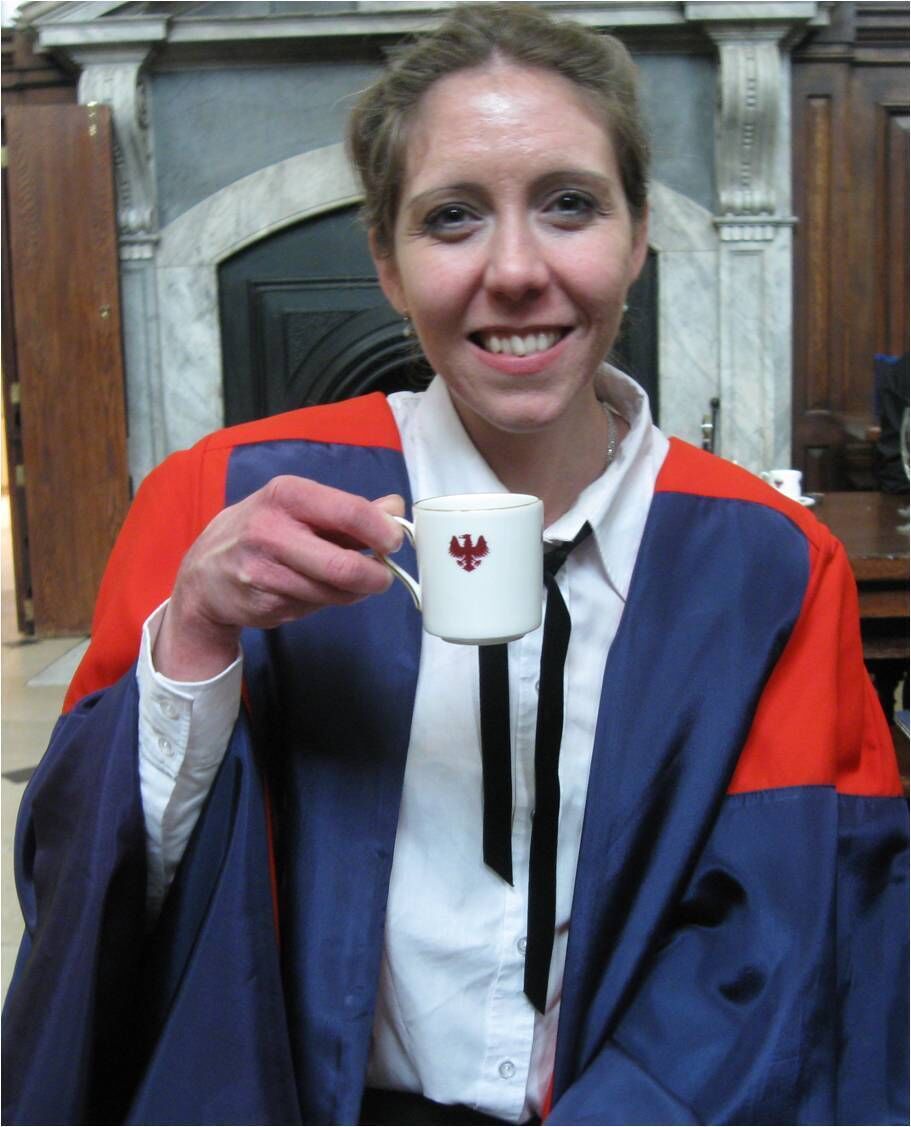
Stephanie Baines, a lecturer in psychology at Bangor University in Wales, agrees that when our environment’s uncertain and frightening we often turn to what’s comforting and familiar. “There’s a really strong connection in our brain between the olfactory processing regions and the memory and emotion centres. Many of us have really positive memories of baking with our mums. The smell of bread baking will activate those memories and the emotions associated with them. And that nostalgia’s comforting.”
But there were other factors feeding into the baking boost. Baking requires patience – and we had time. “Some people had an abundance of time,” says Baines. “They didn’t have to commute. They were at home and had time to devote to baking.”
And for people isolated by lockdown – perhaps living and baking alone – the uploading of photos of what they’d baked gave them social connection, she says. “Friends liked what they baked and they felt part of the group. And when you’re feeling low, a like on Instagram gives that hit of dopamine – it’s a very powerful motivator to bake more.”
Baines says baking is beginning to be recognised as good to do if you’re prone to anxiety. It’s a very methodical process, she says, with a set order where you follow the steps. “You’re very focused on the present, on the task, on your actions. It’s physical – getting your hands in the bowl, kneading the dough – it’s all very present-focused. You get in a flow state – one of the tenets of mindfulness is being focused on the present – and it’s like a dimmer switch for those thoughts that go round and round when you’re feeling anxious.”
But why banana bread? Because the weather was warm during the first lockdown and the bananas got brown and called out to be baked? Not just, says Baines, who puts it down to the “very strong reward response” in our brain when we get sugar and fat together, much stronger than if we had either of those components on their own. “For our brain, sugar and fat is like human catnip,” she says.
Nevertheless, she predicts that banana bread might just have to move over soon – there are signs that cinnamon rolls are the next big.
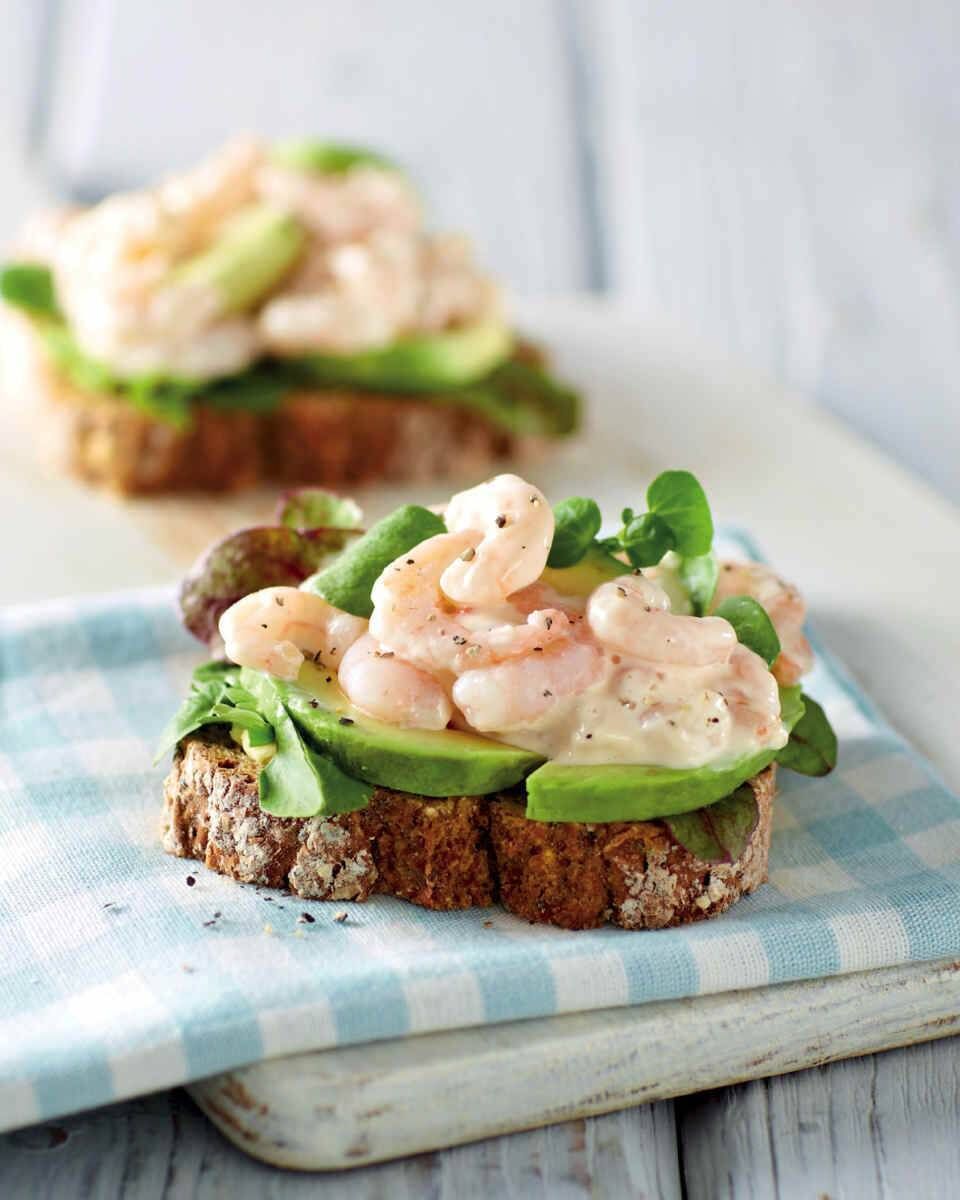
Pile this sandwich as high as you like with delicious avocado and succulent prawns.
- 2 Slices of Marie’s Brown Bread
- ½ a Worldwide Avocado – peeled and sliced
- 60g of Specially Selected Prawn Cocktail €3.49/180g
- Small handful of Country Fresh bistro salad leaves
- 10g of Kilkeely butter
Butter the bread top with leaves and the sliced avocado
Pile on the prawn cocktail and serve.
Enjoy!
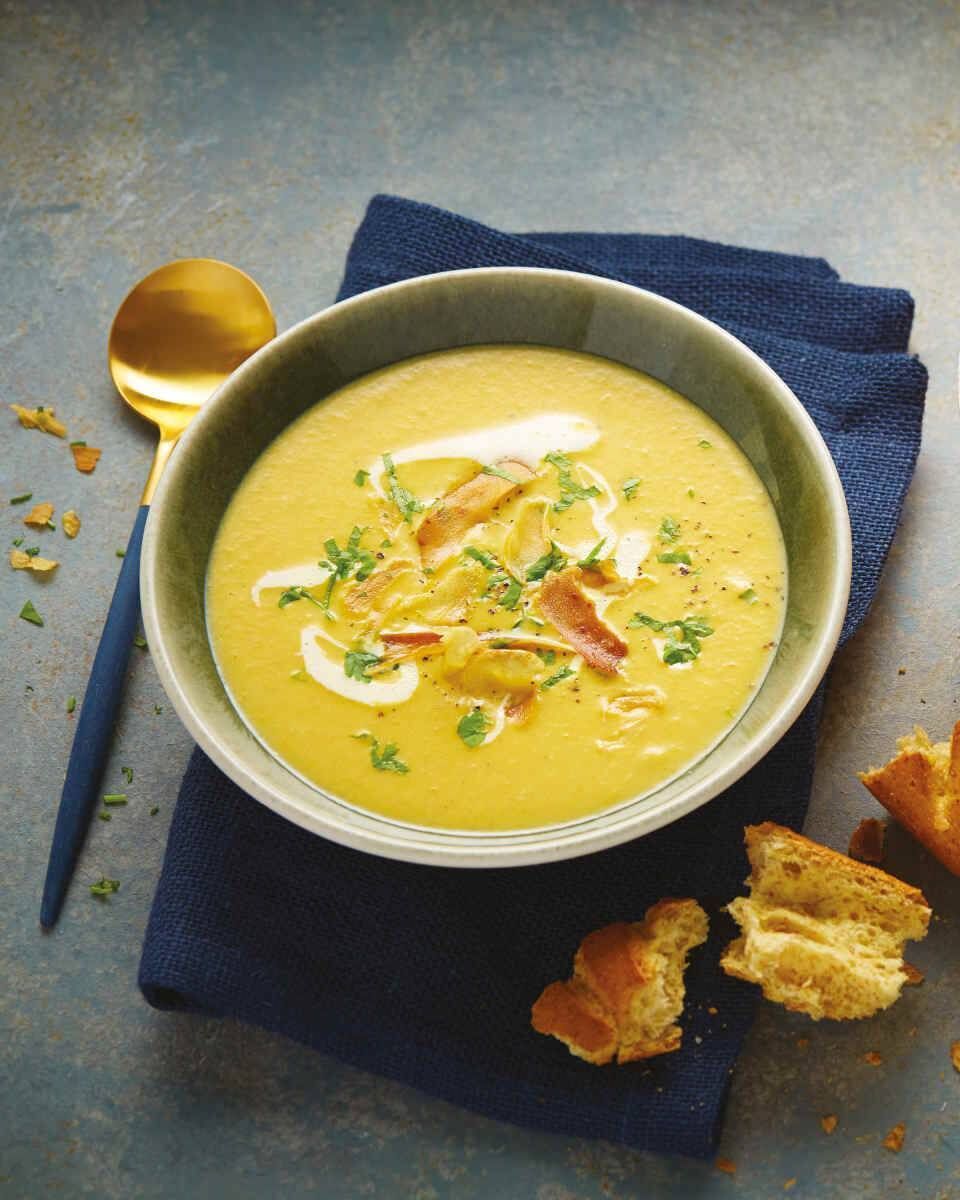
Smooth, creamy and wholesome best served with a side of Marie’s Brown Bread
- 350g Nature’s Pick Carrots
- 300g Nature’s Pick Parsnips
- 1 x Nature’s Pick Onion
- 1 x large Nature’s Pick Apple
- 2 x Quixo Vegetable Stock cubes
- 2 x tsp Stonemill Paprika
- 25ml Solesta Olive Oil
- 1x litre Boiling Water
- 100ml Clonbawn Double Cream
- 6g Egan’s Fresh Parsley
- Stonemill Sea salt and Black Pepper to taste
Gently sauté the onion in the olive oil in a saucepan until softened, but not browned.
Add the parsnips and carrots.
Pour in the boiling water, crumble in the stock cubes and add the paprika.
Bring back to the boil, cover and simmer.
Peel and core the apple, chop the flesh finely and add to the soup.
Cook for 40 minutes until tender.
Liquidise, season with some salt and pepper, then stir in the cream.
Prior to serving, scatter some chopped parsley.