Darina Allen: Food Scene in Rural Ireland

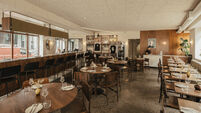
We are super excited to have three new Michelin star restaurants in Co Cork: The Mews in Baltimore, West Cork under chef Ahmet Dede; Ichigo Ichie in Cork city owned by chef Takashi Miyazaki and Chestnut in Ballydehob with chef Rob Krawczyk (a Ballymaloe Cookery School alumni).

Darina Allen: Food Scene in Rural Ireland

We are super excited to have three new Michelin star restaurants in Co Cork: The Mews in Baltimore, West Cork under chef Ahmet Dede; Ichigo Ichie in Cork city owned by chef Takashi Miyazaki and Chestnut in Ballydehob with chef Rob Krawczyk (a Ballymaloe Cookery School alumni).

It focuses attention on the culinary scene outside the capital and hugely boosts the confidence of the many young chefs who are working tirelessly to raise standards in a time of tiny profit margins on food.


In the midst of all the euphoria came the budget and the reintroduction of the 13.5% VAT rate on restaurants, a whopping 4.5% increase from the 9% rate that enabled many, but not all to survive the recession.

The hotel and restaurant scene in the capital is booming and profitable overall. The food scene in most of rural Ireland is quite a different scenario, the tourist season can be as short as 10 – 12 weeks. Many restaurants are just beginning to recover from the crippling recession, they were starting to reinvest and were hoping to start a ‘rainy day fund’ to prepare for the inevitable next downturn which may not be too far away.

It’s all very disheartening. To maintain standards, continue to pay staff and local food producers, prices will have to increase significantly to enable restaurants to even stand still. A 2% increase was anticipated but 4.5% has totally knocked the ‘wind out of the sails’ of an industry that does so much to create employment, put Ireland on the global food map and boost tourism.

I’m truly saddened and apprehensive – this can only result in dumbing down of standards, loss of jobs and closures — I so hope I’m wrong.

Back to our home kitchens and let’s cook up some comforting food to cheer us up and ‘warm the cockles of our hearts’ as autumn settles in. What better than a delicious pot of stew.

Here are two of my current favourites: lamb with a pearl barley risotto and gremolata and the other a veggie feast, spicy pumpkin or squash and coconut curry. I must give a shout out to the recently published Currabinny Cookbook by super enthusiastic young foodies James Kavanagh and William Murray (ex Ballymaloe Cookery School).

The book exudes a love of food and their mission to encourage other cool young people like themselves (they have a huge fan base on social media) to discover the joy and larks to be had around the kitchen stove, doing pop-ups, selling at Farmers Markets and sharing the yummy food they’ve cooked with friends.

There are lots of good things to explore inside the covers of the Currabinny Cookbook (I love the graphics too). I’ve chosen Parsnip and Fennel Soup with Macroom Brown Soda Bread to tempt you to whizz out to buy the book published by Penguin Ireland.

Lamb Stew with Pearl Barley Pilaff and Fresh Herb Gremolata

Serves 4-6

For the Stew

  • 1.8kg (4lb) gigot or rack chops from the shoulder of lamb not less than 2.5cm (1 inch thick)
  • 350g (12oz) green streaky bacon (blanch if salty)
  • seasoned white flour, preferably unbleached
  • a little butter or oil for sautéing
  • 450g (1lb) onions (baby ones are nicest)
  • 30g (12oz) carrot, peeled and thickly sliced
  • 750ml (1¾ pints) approx. lamb or chicken stock
  • sprig of thyme
  • roux - optional, mushroom a la crème (optional)

For the Pilaff

  • 25g (1oz/¼ stick) butter
  • 450g (1lb) pearl barley
  • 3 pints lamb stock
  • salt and freshly ground black pepper
  • 350g (12oz) mushrooms, finely diced
  • 450g (1lb) shallots, peeled and quartered

Gremolata

Gremolata is a fresh tasting mix of chopped herbs, garlic and lemon zest. We use it to sprinkle over roast or braised meats, pastas or anything pan-grilled – delicious.

  • 4 mixture of flat parsley, chervil and mint, chopped
  • 2 garlic cloves, finely chopped
  • 1 generous teaspoon grated or finely chopped lemon zest
  • flaky salt to taste

First make the stew:

Cut the rind off bacon and cut into approx 1/2 inch (1cm) cubes blanch if salty and dry in kitchen paper. Divide the lamb into 8 pieces and roll in seasoned flour. Heat a little oil in a frying pan and sauté the bacon until crisp, remove and put in a casserole. Add the lamb to the pan and sauté until golden then add to the bacon in the casserole. Heat control is crucial here, the pan mustn’t burn yet it must be hot enough to sauté the lamb. If it is cool the lamb will stew rather than sauté and as a result the meat may be tough. Then quickly sauté the onions and carrots, adding a little butter if necessary, and put them into the casserole. Degrease the sauté pan and deglaze with the stock, bring to the boil, pour over the lamb.

Add a sprig of thyme and bring to simmering point on top of the stove, cover the pot and then put into the oven for 45-60 minutes, 180°C/350°F/Gas Mark 4. Cooking time depends on how long the lamb was sautéed for.

When the casserole is just cooked, remove the thyme sprig, strain off the cooking liquid, degrease and return degreased liquid to the casserole and bring to the boil. Thicken with a little roux if necessary. Add back in the meat, carrots, onions and potatoes, bring back to the boil.

The casserole is very good served at this point, but it’s even more delicious if some mushroom a la crème is stirred in as an enrichment. Serve bubbling hot, sprinkled with chopped parsley and the pearl barley pilaff.

Meanwhile, make the pilaff:

Melt the butter in a deep saucepan, add the pearl barley, toss the grains in the butter. Season with salt and freshly ground black pepper. Add the stock, bring to the boil, cover and continue to cook until the pearl barley is fully cooked – 45-60 minutes approximately.

Meanwhile, chop the mushrooms, both stalks and caps. Heat a little butter or oil in a frying pan, add all of the mushrooms, season with salt and freshly ground black pepper, cook over a medium heat stirring occasionally. The mushrooms will exude liquid at first but continue to cook until all the liquid has been reabsorbed and the mushrooms have developed a deeper flavour. Keep aside.

Peel the shallots, quarter, toss in 2 tablespoons extra virgin olive oil and cook in a saucepan over a medium heat until soft and caramelised. Alternatively, roast in the oven at 200C/400F/Gas Mark 6 until soft and caramelised.

Fold both the mushrooms and the shallots into the pilaff. Keep aside. Taste and correct the seasoning.

While the stew and pilaff are being reheated, make the Gremolata. Chop the herbs and garlic together, add the lemon zest, season to taste with a little flaky salt.

To serve

If necessary, reheat the stew and pilaff. Taste and correct the seasoning. Spoon a serving of both stew and pilaff into a deep wide serving bowl, serve immediately. Sprinkle some fresh herb gremolata over the top.

Spicy Butternut Squash or Pumpkin and Coconut Curry

A chunky stew with Asian flavours. Squashes are brilliant vegetables to soak up Asian flavours and bulk up curries.

Serves 8

  • 2 tbsp sunflower oil
  • 1 large onion, finely chopped, 185g (6 ¼oz)
  • 3 lemongrass stalks, outer leaves removed and finely sliced
  • 2 garlic cloves, crushed
  • 5 spring onions, chopped
  • grated zest and freshly squeezed juice of 2 limes
  • 2 kaffir lime leaves, shredded
  • 2 tsp coriander seeds, roasted and ground
  • 2 teaspoons cumin seeds, roasted and ground
  • 4cm (1½ inch) piece of fresh ginger, peeled and grated
  • 1-3 small red chillies, deseeded and thinly sliced
  • 1 tbsp fish sauce (nam pla)
  • 1 tbsp fresh basil, torn
  • 1 tbsp chopped fresh coriander
  • 1 tbsp crunchy peanut butter
  • 1 x 400g (14oz) can coconut milk
  • ½ teaspoon salt
  • 2 kg (4½lbs) squash or pumpkin, deseeded, peeled and cut into 4cm chunks (1.5kg/3lb 5oz flesh after peeling and deseeding)

To serve

  • 2 tablespoons toasted cashew nuts
  • fresh coriander leaves
  • Jasmine rice
  • Mango Chutney or Mango Sambal

Mango Sambal

  • 1 mango, diced finely (1 x 1 cm)
  • 2 – 3 tbsp finely chopped red onion
  • 2 tbsp freshly squeezed lime juice
  • 2 tbsp Nam pla - fish sauce
  • 1 tsp sugar
  • 1 – 2 tsp freshly chopped rosemary
  • salt and freshly ground pepper

Preheat the oven to 200°C/Gas Mark 6.

Heat a sauté pan over a medium heat and add the oil. Stir-fry the onion for 1-2 minutes before adding the lemongrass and garlic. Add all the remaining ingredients. Stir gently. Bring to the boil, cover and simmer for 15 minutes, stirring occasionally. Remove the lid for 5 minutes before the end of cooking time.

The coconut milk may separate but this won’t affect the flavour. Taste and add more fish sauce if necessary. Pour into a warm serving dish.

Garnish with the toasted cashew nuts and fresh coriander leaves and serve with jasmine rice and mango chutney.

Mango Sambal

Gently mix all the ingredients together in a bowl. Season and taste. Allow the flavours to blend for at least 15 minutes before serving.

Note: Five Spice Powder contains ground star anise/cloves/cinnamon/Sichuan pepper and fennel seeds.

Currabinny Cookbook Parsnip and Fennel Soup

In this soup the natural sweetness of parsnip combines beautifully with the delicate aniseed flavour of fennel. The result is smooth, velvety and very elegant.

Serves 4–6

  • 1 medium-sized onion
  • 4 medium-sized parsnips
  • 2 large fennel bulbs, stalks removed
  • 1 stick of celery
  • 15g fresh flat-leaf parsley
  • 70g butter
  • sea salt and freshly ground black pepper
  • 1½ litres vegetable stock
  • 200ml milk

To serve:

  • fresh cream
  • fresh fennel fronds

Peel the onion and parsnips. Chop finely, together with the fennel bulbs and celery, to roughly the same size dice. Roughly chop the parsley leaves.

Melt the butter in a large pot or casserole dish. Add the onion, parsnips, fennel and celery, and season well with salt and pepper. Stir so that everything in the pot is well coated in the butter.

Construct a cartouche by cutting a circle of greaseproof paper which perfectly covers the inside of your pot. Press this down on the vegetables, sealing them in to cook. Put the lid on the pot and cook for around 10 minutes on a gentle heat. Check and stir at least once to make sure nothing is catching on the bottom.

Meanwhile, in another pot, heat up your vegetable stock until it comes to the boil. This will shorten the cooking time considerably.

When it’s boiling, remove the cartouche from the other pot and pour your hot stock over the vegetables, stirring the contents to make sure nothing is stuck to the bottom.

Simmer on a medium heat for around 20 minutes until the vegetables are completely soft and tender.

Add the milk and parsley, and blend with a stick blender until completely smooth and creamy.

Check the seasoning and serve with a swirl of cream and some fennel fronds sprinkled on top of each bowl.

From the Currabinny Cookbook, by James Kavanagh & William Murray. Published by Penguin Ireland.

Hot Tips

California Wines Thanksgiving Dinner: Enjoy Thanksgiving at Ballymaloe House on Thursday November 23 in co-operation with Wines of California. The tasting will be followed by a family style Thanksgiving dinner in the Long Room at Ballymaloe House. Contact 021 465 2531. Price: €75.

Sushi Made Simple: Join Ballymaloe Cookery School 12 Week students and allow

Shermin Mustafa to demystify this jewel of Japanese cuisine. She will use fresh fish straight from the boats in

Ballycotton Bay to create sublime sushi and sashimi on Wednesday, November 28 from 9.30am – 2pm, price €145 per person. Call 021 4646785.

More in this section

ieFood

Newsletter

Feast on delicious recipes and eat your way across the island with the best reviews from our award-winning food writers.

Cookie Policy Privacy Policy Brand Safety FAQ Help Contact Us Terms and Conditions

© Examiner Echo Group Limited