Velvety hummus and crunchy falafels look good and taste great
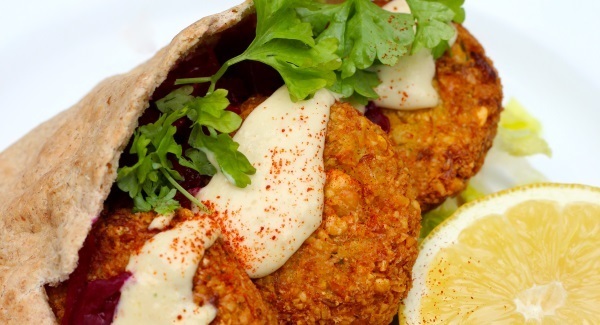
Valerie O’Connor goes Middle-Eastern this week with velvety hummus and crunchy falafels that are simple to whip up at home
Velvety hummus and crunchy falafels look good and taste great

Now being in our third full-on week in the wonderful world of more veggies, a common question for anyone choosing to eat vegan style is: “but where do you get your protein from?”

Truth is we don’t need almost as much protein as we believe, just 10 to 15% of our daily intake is the recommended amount of protein and this doesn’t just come from meat.


Half a cup of beans gives you the same amount of protein as an ounce of chicken or fish.

Another frequently asked question is “Isn’t eating vegan more expensive?”

It’s true that a small chicken costs the same as a bag of organic spinach, from the same supermarket, (which beggars belief about the chicken quality).

Yes, some things are more expensive like cashew nut butter which must be churned by male models thighs to justify the price, but lots of stuff is really good value too — and that’s where beans come in again.

Protein exists in many places, but the easiest and most versatile to access it is in beans and lentils, aka pulses.

From dips to soups, sprouts, chillies and stews, dahls, curries, bean burgers or sausages, roasts, molés and falafel, there are simply so many options with these little plant powerhouses.

Beans contain a wealth of nutrients including antioxidants, and vitamins and minerals, such as copper, folate, iron, magnesium, manganese, phosphorous, potassium and zinc.

They keep you feeling full for ages as they are digested slowly and, as they are a cheap food, you can buy organic and be assured that your food is free from chemicals as much as possible.

However, if you want to eat well, you have to cook. If you are into cooking then vegan cookery is a joy as you need to eat lots of veg of all colours to get the nutrients you need, and don’t forget the important fats from oils like olive, coconut and avocado as well as all the nuts and seeds.

Eating like this is surprisingly filling and, like anything, clean eating or paleo, you need to be prepared to always have the food you want handy.

Thankfully, as more regions of food are widely available, you don’t have to accept gloggy veg lasagne as the go-to food when you eat out.

Middle Eastern cooking is naturally very heavy in veg and pulses so I’m featuring two of the most loved things in the whole world of food; hummus and falafel.

I made falafel for the first time yesterday and am blown away by how well they turned out and how easy and cheap they are to make.

Falafels are usually eaten in a pita or wrap and can make up a mezze, a plate of tasty mixed things like olives, falafel, tahini, pita, preserved lemons, harissa and vine leaves. You can have these foods for any meal and pack them up for a lunch on the go.

The go-to guy for Middle Eastern food is Yotam Ottolenghi and I snaffled this recipe from his amazing book Jerusalem and made my own adjustments. You can freeze these fellas once they are cooked. Just zap them in an oven at 180°C for 10 to 15 minutes to bring them back to toasty.

Falafel

The chick peas aren’t cooked in this recipe, and that’s the traditional way. I soak them for anything up to four days in filtered water, rinsing them every day and before using.

If you want to bump up the nutritional profile of the chick peas you can sprout them by rinsing them twice a day and draining them, leaving them in a bowl covered with a cloth. When they sprout, proceed with the recipe as below.

This recipe makes about 24 falafel. If you can get one of those clicky ice cream scoops to make them, all the better. If you love to eat kebabs, this recipe ticks so many boxes, as you can still feel like you’re eating junk foodsometimes — except you’re not.

Ingredients

250g dried chickpeas, soaked and prepared as above

A medium onion, finely chopped (80g in total)

1 garlic clove, crushed

1 tbsp finely chopped parsley

2 tbsp finely chopped coriander

1/4 tsp cayenne pepper

1/2 tsp ground cumin

1/2 tsp ground coriander

1/4 tsp ground cardamom

1/2 tsp baking powder

1 1/2 tbsp plain flour ( I use coconut as it absorbs the excess moisture)

1 tsp sea salt and about 750ml sunflower oil for deep-frying

1/2 tsp sesame seeds, for coating

Method:

Soak the chickpeas as above, rinse and drain them.

In a food processor, blitz everything together (except the oil and seeds), until the mixture is fine but not mush.

Using your ice cream scoop, or wet hands, scoop portions of the mix out and press them into nice rounds.

Heat up your oil in a pot until it’s hot enough to sizzle when you throw a breadcrumb in.

Fry the falafel in small batches for four minutes, turning them if you need to, until they are nicely brown.

Drain on kitchen paper. Get some pitas, warm them up and split them open.

I fill mine with sauerkraut, red pesto, hummus, a few steaming falafel, some salad greens and a blog of spicy harissa. Enjoy the fantastic mingling of flavours and textures.

Hummus

The best recipe ever. Get a good tahini from most Asian supermarkets, the best one is in a brown plastic tub with a green lid. You can get harissa, olives, date or pomegranate syrup and all manner of great condiments while you’re at it. I feature this in my book Val’s Kitchen.

Ingredients

500g/15oz tin cooked chickpeas, preferably organic 140g/6 oz tahini 3 cloves garlic, chopped Juice of 1 lemon/3 to 4 tbsps to taste ½ tsp cumin seeds, toasted lightly on a dry frying pan and ground 1/2 fl oz ice-cold water ½ tsp sea salt and a grind or two black pepper Olive oil and some whole chickpeas to serve

Method:

Throw everything, except the cold water, olive oil and salt and pepper, into a food processor or sturdy blender, blitz until things are getting mushy, slowly pour in the water and keep it blending until you have a silky smooth texture.

Spoon it out into a bowl and mix in your salt and pepper to taste. Smooth over the top and pour on some olive oil and add a few fried chickpeas for appearances, sprinkle over a little parsley or coriander.

Variation:

For a wild pink version of hummus, just add a chopped cooked beet to the blender. Follow the recipe as above, just leaving out the tahini. Or add roasted red pepper, or fresh basil to ring the changes.

x

More in this section

ieFood

Newsletter

Feast on delicious recipes and eat your way across the island with the best reviews from our award-winning food writers.

Cookie Policy Privacy Policy Brand Safety FAQ Help Contact Us Terms and Conditions

© Examiner Echo Group Limited