Darina Allen: Where many just see weeds, I see beauty and dinner
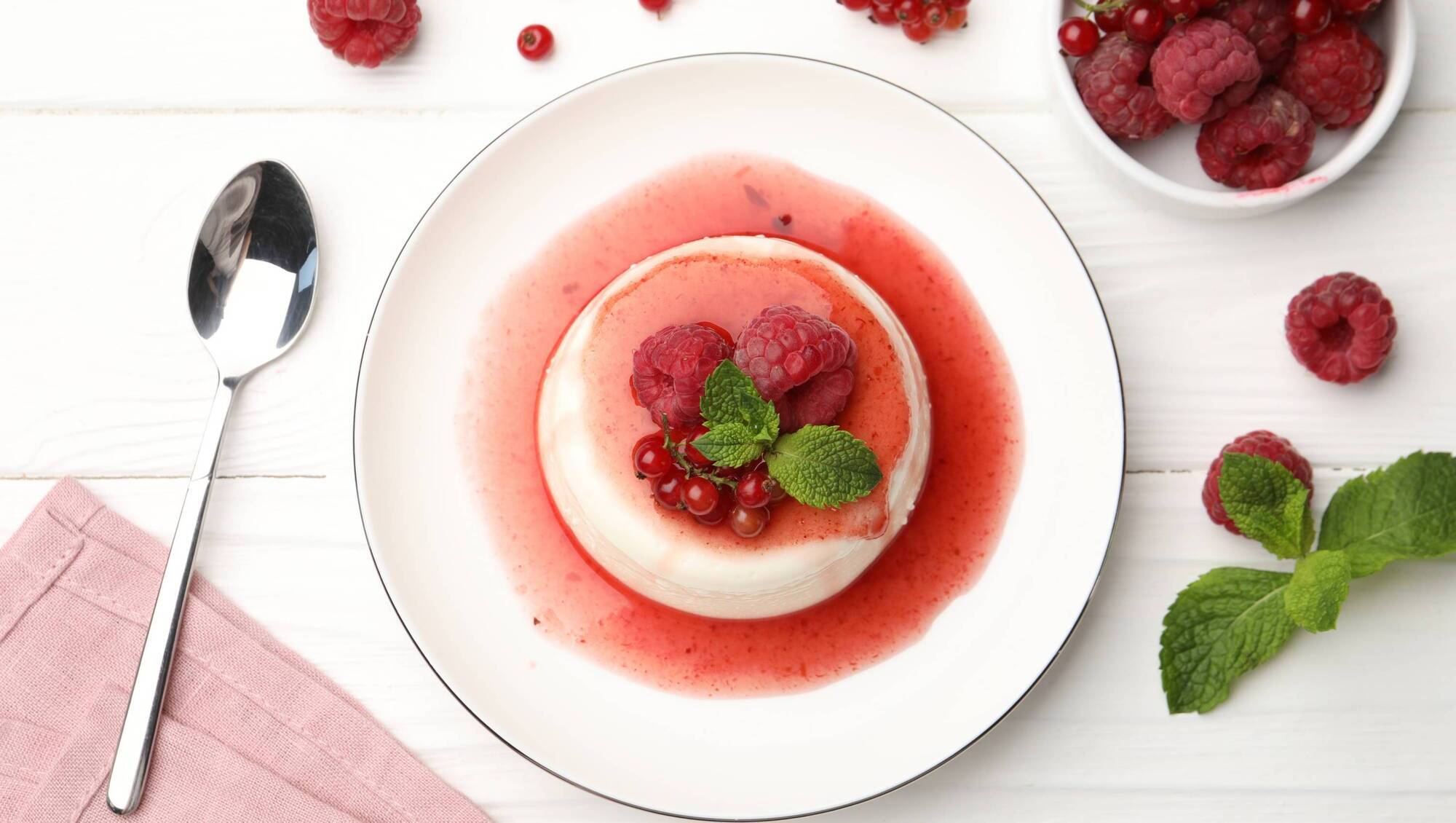
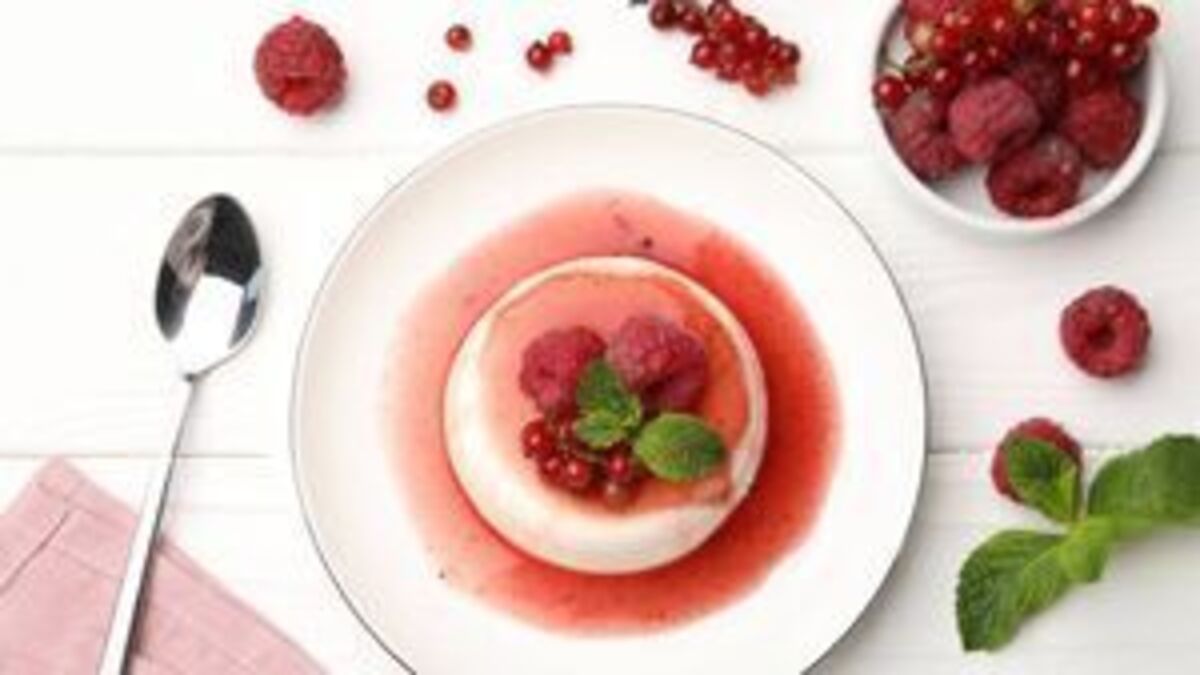
Delicious panna cotta with berries, sauce and mint wx010826

If you’ve been meandering or driving through the countryside recently with your windows open, you’ll have seen and smelled the drifts of fluffy meadowsweet blossoms, I think it’s the very best time of year for this fragrant plant.
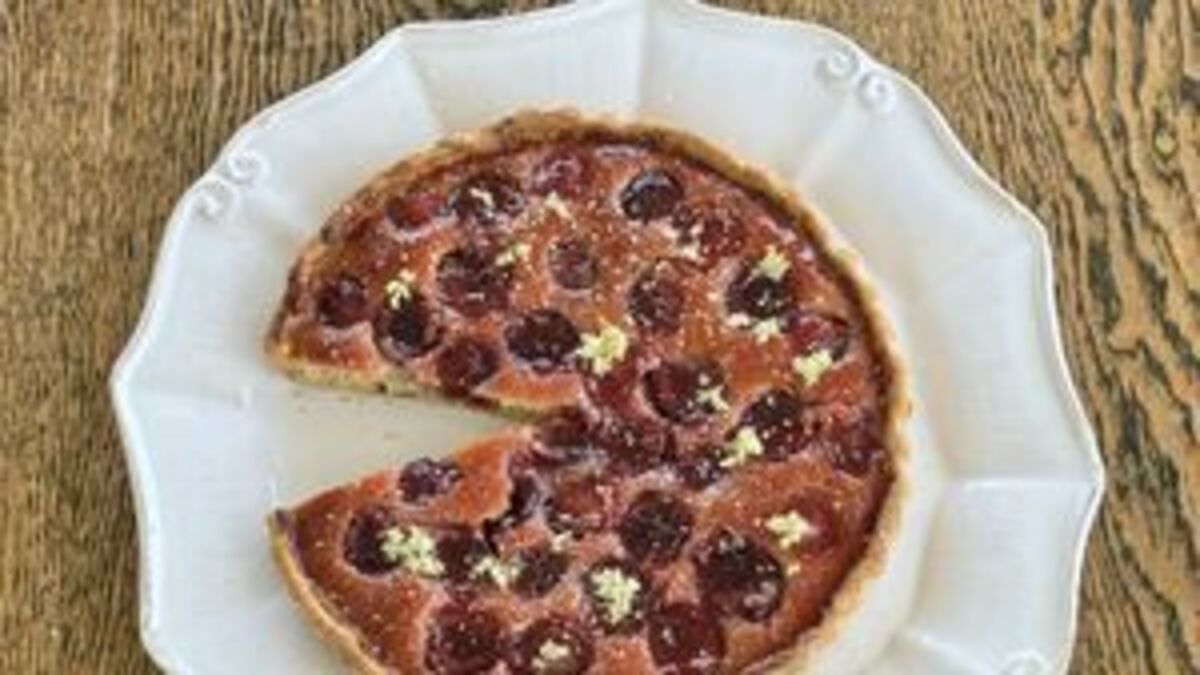
Meadowsweet and Cherry Frangipane Tart
This all-purpose tart can have many flavours. Vary the fruit with, peaches, nectarines or figs.
Servings
8Course
BakingIngredients
300g fresh cherries, stoned
For the shortcrust pastry
175g plain flour
pinch of salt
100g butter
1 egg (to bind)
For the frangipane
50g butter
50g caster sugar
1 egg, beaten
55g ground almonds
25g flour
1 tbsp kirsch
To finish
100ml approx. redcurrant glaze (apricot glaze may also be used)
18cm diameter flan ring or tart tin with a removable base
Method
First, make the shortcrust pastry,
Sieve the flour and salt into a bowl, cut the butter into cubes and rub into the flour with the fingertips. Keep everything as cool as possible; if the fat is allowed to melt, the finished pastry may be tough. When the mixture looks like coarse breadcrumbs, stop. Whisk the egg.
Take a fork or knife (whichever you feel most comfortable with) and add just enough liquid to bring the pastry together, then discard the fork and collect the pastry into a ball with your hands. This way you can judge more accurately if you need a few more drops of liquid. Although slightly damp pastry is easier to handle and roll out, the resulting crust can be tough and may well shrink out of shape as the water evaporates in the oven. The drier and more difficult-to-handle pastry will give a crisper, shorter crust.
Flatten the pastry and wrap in parchment paper, leave to rest in the fridge for a minimum of 15 minutes or better still 30 minutes. This will make the pastry much less elastic and easier to roll.
Preheat the oven to 180°C/Gas Mark 4.
Roll out the pastry, line the tart tin with it, prick lightly with a fork, flute the edges and chill again until firm. Bake blind for 15-20 minutes.
Next, make the frangipane.
Cream the butter, gradually beat in the sugar and continue beating until the mixture is light and soft. Gradually add the egg, beating well after each addition. Stir in the ground almonds and flour and then add the kirsch. Pour the frangipane into the pastry case, spreading it evenly. Arrange the stoned cherries on top of the frangipane.
Bake the tart for 35-40 minutes or until the fruit is tender and the frangipane is set in the centre and nicely golden.
Meanwhile, make the redcurrant glaze.
Redcurrants are also in season at present; this is a brilliant recipe if you have some.
Melt a little redcurrant jelly with drop water in a small stainless-steel saucepan to thin and make a glaze.
To finish.
When the tart is fully cooked, paint generously with the glaze, remove from the tin and serve warm or cold with a bowl of softly whipped cream.
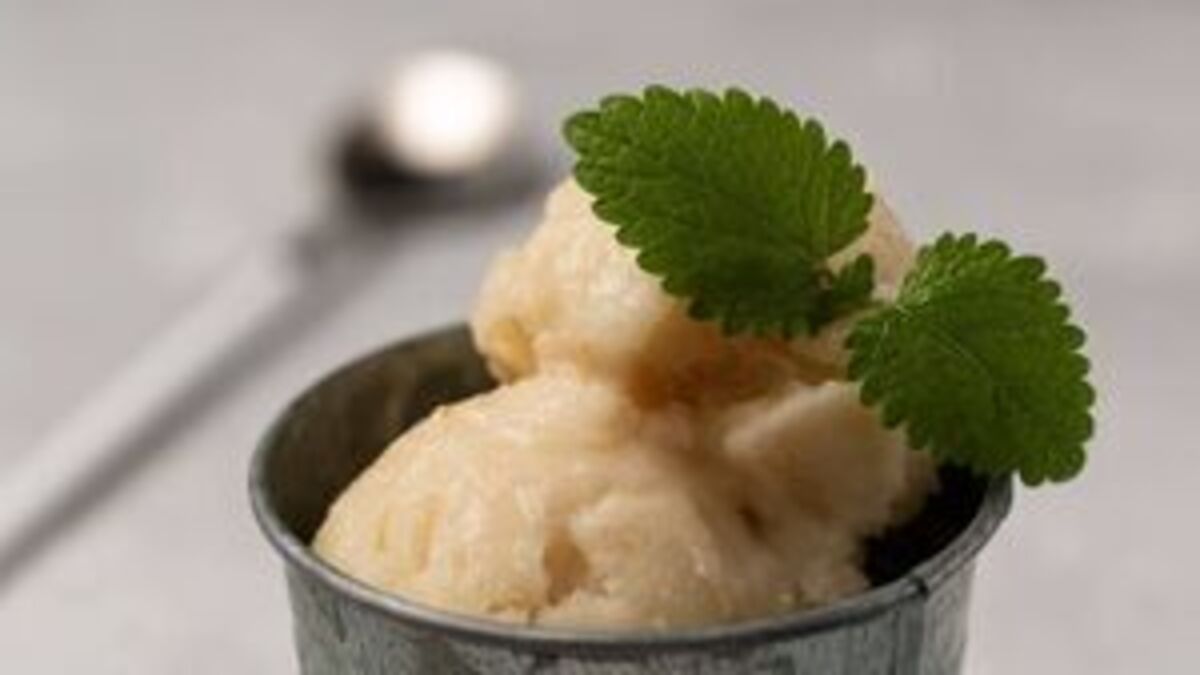
Meadowsweet Sorbet
Light and super refreshing, serve alone or with a compote of summer fruit.
Course
DessertIngredients
60g young meadowsweet flowers and leaves
600ml cold water
185g sugar
200ml freshly squeezed lemon juice and zest (3 lemons approx.)
1 organic egg white (optional)
To serve
Meadowsweet flowers
Method
Crush the meadowsweet leaves tightly in your hand, put into a stainless-steel saucepan with the flowers, water and sugar. Stir to dissolve the sugar and bring slowly to the boil. Simmer for 2-3 minutes. Leave to cool completely. Add the lemon juice and zest.*
Strain and freeze for 20-25 minutes in an ice-cream maker or sorbetière.
If you do not have a sorbetière, simply freeze the sorbet in a dish in the freezer.
When it is semi-frozen, whisk until smooth and return to the freezer again.
Whisk again when almost frozen and fold in 1 stiffly beaten egg white if using. Keep in the freezer until needed.
If you don’t have access to a sorbet machine, freeze the sorbet completely in a tray, then break up and whizz for a few seconds in the processor, add 1 slightly beaten egg white, whizz and freeze again. Serve.
Serve in chilled glasses or chilled white china bowls or on pretty plates lined with meadowsweet leaves.
Sprinkle a few meadowsweet flowers over the top.
Meadowsweet Panna Cotta
Meadowsweet is also used here to flavour the cream for the panna cotta (‘cooked cream’).
Course
DessertIngredients
600ml cream
50g caster sugar
6g meadowsweet flowers
2 leaves of gelatine
To serve
250g ripe raspberries
mint leaves
softly whipped cream
8 ceramic, glass or tin moulds, approximately 100ml each, brushed with non-scented oil such as sunflower or grape seed
Method
Put the cream and sugar into a stainless steel saucepan over a low heat, add the meadowsweet flowers. Slowly bring to the shivery stage - turn off the heat and infuse for 15 minutes or more.
Cover the gelatine leaves in a bowl of cold water until pliable, 3-4 minutes. Pour the meadowsweet cream through a sieve.
Return to the saucepan and add the well-drained gelatine leaves. Stir to dissolve completely. If necessary, warm the meadowsweet infused cream slightly. Divide the panna cotta between the oiled moulds and chill for at least 3 hours or until gently set.
Serve with fresh berries or a seasonal compote - particularly good with poached apricots.
- Jam
- Jelly
- Chutney
- Pickle
- Seasonal drinks
- How to dry/dehydrate food
Afternoon cookery demonstrations at Ballymaloe Cookery School are open to the public - Tuesday, Wednesday, Thursday and Friday.
- Limited places, booking essential.
- Copies of all recipes and light tastings included.
- ballymaloecookeryschool.ie
Read More