Joe McNamee: It’s been a long time since Ireland’s farmers were able to feed the island
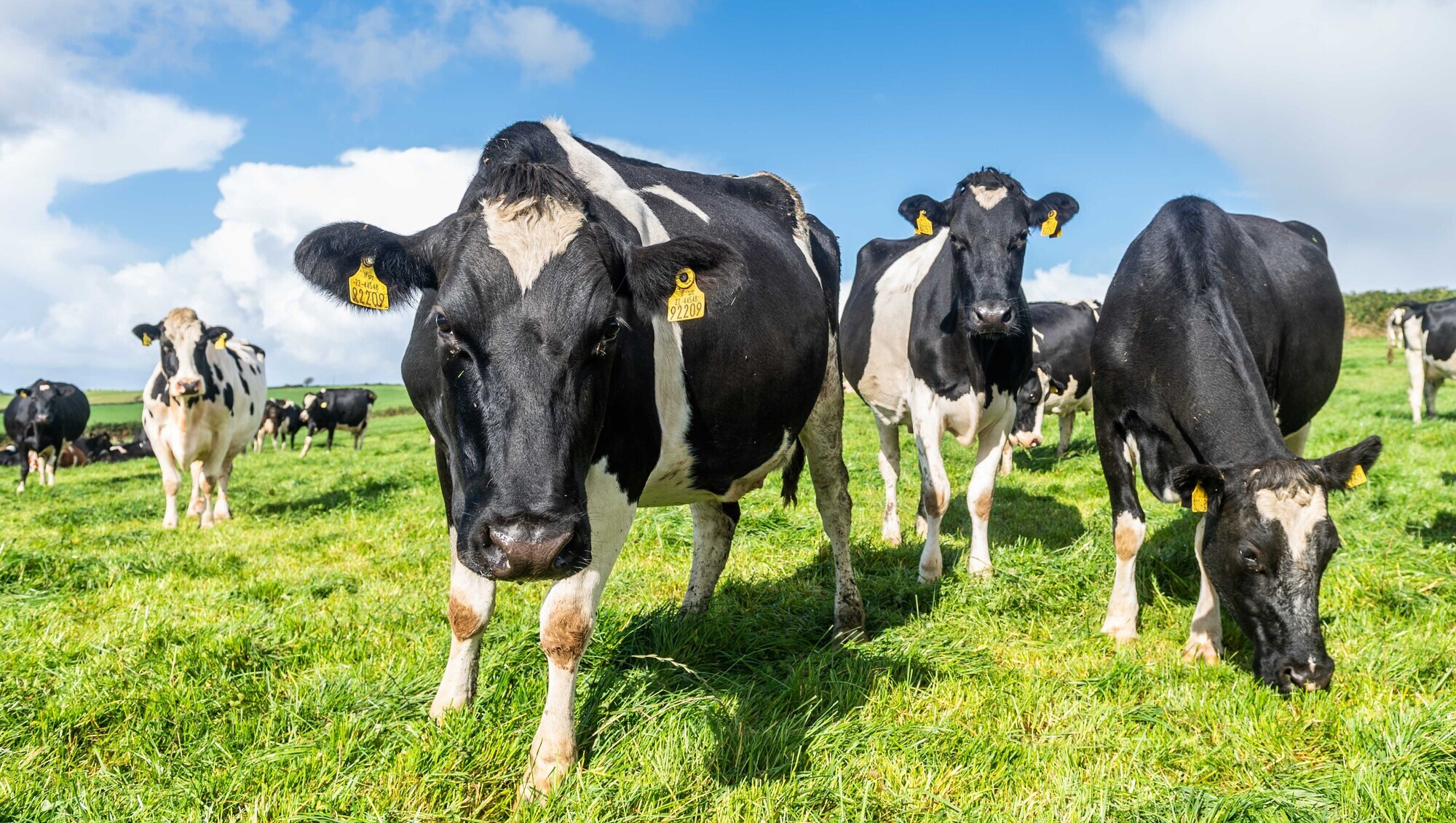
Dairy cows on the farm of Tomas Griffin, Timoleague Picture: Andy Gibson.

When the fuel protest blockades first began in April, the frustration, anger and fear was understandable, particularly from the farming sector.
However, it wasn’t long before any putative moral high ground was subsumed into the toxic agendas of right wing fringe elements in Ireland and around the world. At one protest meeting, a suggestion that Trump International Golf Links & Hotel Ireland, Doonbeg, should also be blockaded was shouted down: “He’s got nothing to do with it, so NO!”
“He”, of course, being Donald J Trump, who also happens to be the US president, the man who had “everything to do with it” and who single-handedly triggered the global oil crisis that led to the fuel protests.
Especially illuminating from certain doughty newfound champions of the farmers were the battle cries that the protest would soon “starve out that shower up in Dublin”, who’d be very sorry after the farmers of Ireland were bankrupted by fuel costs and could no longer continue to feed them.
Actually, it’s been a long time since the farmers of Ireland were able to feed the island of Ireland in the manner they once did.
My mother recalls her giddy excitement after the end of the Second World War when the first post-war consignments of oranges and bananas became available, but she says they otherwise ate well during the war. Other than the very poorest, she says most people ate pretty well despite rationing of imported foodstuffs such as tea and white flour. In a far more rural and agrarian society, there were all sorts of ways to bypass official strictures. And, officially, Ireland even served as a net exporter of food to Britain during the war.
Ironically, though we are now an infinitely wealthier and more technologically sophisticated society, those days when rural Ireland was the larder of the nation are long gone. Nowadays, the primary role of farmers in Ireland is to serve the needs of the all-powerful monolith that is the agri-business sector.
Leaving aside for now the fact we import 84% of our fruit and vegetables to an island with one of the most clement growing climates in the world, let’s focus on the dairy sector, traditionally the source of the crowning glories of our national larder, butter, milk and cheese.
Since the abolition of dairy quotas in 2013, the Irish dairy herd has risen by over 40% to approximately 1.65m cattle. This rise, however, has little to do with any insatiable increase in the national appetite, and much to do with the multibillion-dollar global market for milk powders and proteins, in particular whey protein and sports, performance, and clinical nutrition.
It is a sector in which Irish dairy giants are the world’s leading players, even in the US. Meanwhile, one in every four litres of liquid milk sold on the shelves in the Republic for our own domestic consumption comes from farms in Northern Ireland. That is the same Northern Ireland where almost 50% of the dairy herd is now housed indoors all year round. Most Irish dairy farmers will tell you they now get the milk for their cup of tea and cornflakes from the same place as the rest of us — the local shop or supermarket.
The minister for agriculture, food, and the marine, Martin Heydon, recently announced an extension (until May 28) to a public consultation opened in April on the mid-term review of Food Vision 2030.
It is the latest in a line of strategy documents that has driven this massive expansion in Irish agri-business. Since the first document, Harvest 2020, in 2010 up to 2024, agri-business earnings have totalled €19bn. Dairy is the largest contributor, growing to roughly €6.4bn by 2024.
Though I suspect it is largely window dressing, I shall be chipping in with my tuppence worth, especially seeking far greater clarity on the State’s hitherto head-in-the-sand approach to our food security.
I might also ask the minister if there were any notions of allowing Irish farmers to get back to doing what they once did best: Feeding the nation.
Food and Crisis/Hope is the theme at the 8th biennial Dublin Gastronomy Symposium (May 26-27) at TU Dublin, which is all about divining the potential hope in often despairing times. Keynote speaker Dr Rupa Marya’s paper is titled Food as Weapon/Food as Medicine, just one of 53 papers over 15 parallel sessions, culminating in a roundtable, Food, Crisis, and Hope: Three Conflicts, Three Approaches, led by international experts on food and diplomacy. Food for thought is also supplemented by excellent in-house lunches and a final dinner in the King’s Inns, all covered in the ticket fee (€250).
The Blás na Bealtaine/Taste of Galway food and drinks festival ends soon but there is still a chance to get a flavour of the West with A Full Brazilian Experience: Music & Food (May 31) at Chef Laura Rosso Restaurant, with a day of food and music. Ex-Tartare restaurant manager turned forager, Ivonka Kwiek, hosts a workshop, Be Sage, Make Lovage (May 31) at Aniar restaurant, a hands-on demonstration as Ivonka brings her expertise to bear on the use of seasonal herbs, flowers, and wild plants from the wilds of Connemara.
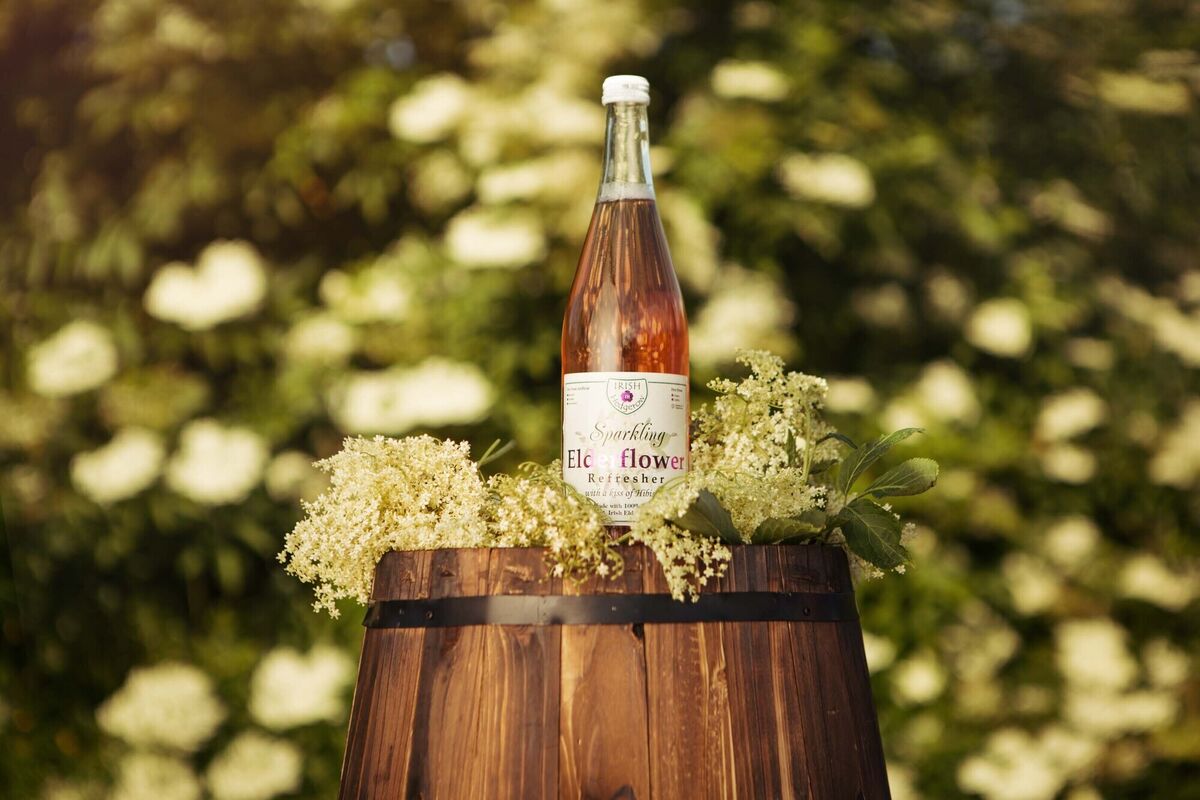
Glorious sunshine near demanded I open up Irish Hedgerow’s Sparkling Elderflower Refresher with a kiss of hibiscus (€4.60).
Made from 100% wild Irish elderflowers and their own hibiscus syrup, this effervescent nectar sublimely balances elderflower’s gentle summer sugars with gently tart/sour floral notes of hibiscus.
Superb as a non-alcoholic refreshing libation, it works equally well as a sundowner, with plenty of ice and a fine Irish gin.
Though rain may return, it will always be summer in this glass!