Darina Allen: My traditional soda bread, bacon and cabbage, and potato bread recipes
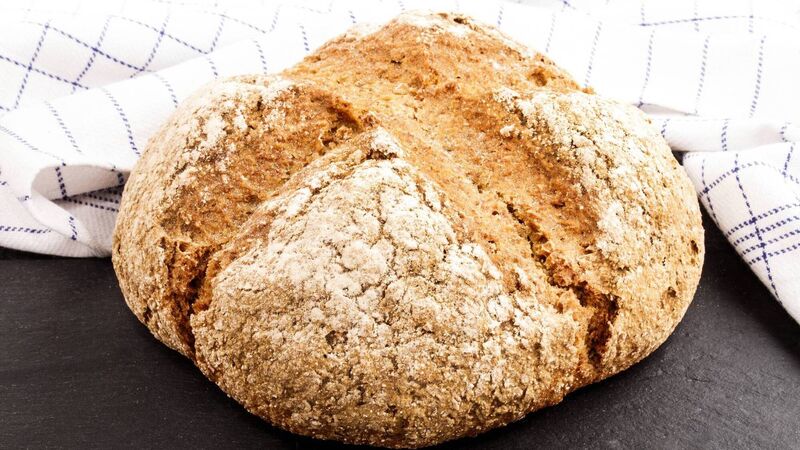
Making a loaf of soda bread is a simple life skill that everyone should know.

Here comes St Patrick’s Day. Traditionally, it was a day to take a break from Lenten fasting, an opportunity to celebrate, maybe even have a drink or two or three!
Traditional Irish White Soda Bread
Soda bread only takes 2 or 3 minutes to make and 30 - 40 minutes to bake, scones will be ready in just 10 minutes. It is certainly another of my 'great convertibles'. We have had the greatest fun experimenting with different additions and uses.

Servings
1Preparation Time
20 minsCooking Time
45 minsTotal Time
1 hours 5 minsCourse
BakingIngredients
450g plain white flour
1 level tsp salt
1 level tsp bread soda sour milk or buttermilk to mix – 350-400ml approx.
Method
First fully preheat your oven to 230ºC/Gas Mark 8.
Sieve the dry ingredients into a large bowl. Make a well in the centre. Pour most of the milk in at once. Using just one hand to mix with your fingers stiff and outstretched, like a claw, mix in a full, circular movement from the centre to the outside of the bowl, adding more milk if necessary. The dough should be softish, not too wet and sticky.
When it all comes together, turn it out onto a well-floured work surface. WASH AND DRY YOUR HANDS.
Then with floured hands, tidy it up and flip over gently. Pat the dough into a round, about 4cm deep and cut a cross on it (the traditional blessing), then prick in the four corners to let the fairies out of the bread, otherwise they will jinx it!
Transfer to a baking tray.
Bake in a hot oven, 230ºC/Gas Mark 8 for 15 minutes, then reduce the heat to 200ºC/Gas Mark 6 for 30 minutes or until cooked. If you are in doubt, tap the bottom of the bread, when it is cooked it will sound hollow.
Cool on a wire rack.
Fadge or Potato Bread
In Ulster, people are passionate about fadge or potato bread. It can be cooked on a griddle, in a frying pan or in the oven. A little leftover mashed potato can be, and often was, added to soda bread.

Servings
8Preparation Time
10 minsCooking Time
60 minsTotal Time
1 hours 10 minsCourse
BakingIngredients
900g unpeeled ‘old’ potatoes eg Golden Wonders or Kerr’s Pinks
1 egg, beaten
25-50g butter, diced
40g plain flour
Fine sea salt and freshly ground black pepper
Creamy milk
Bacon fat, clarified butter of olive oil for frying
Method
Bake or boil the potatoes in their jackets until soft, then pull off the skins and mash right away. Add the beaten egg, butter and flour. Season with lots of salt and freshly ground black pepper, adding a few drops of creamy milk if the mixture is too stiff. Taste and correct the seasoning.
Tip out onto a floured surface and shape into an 18cm round that’s 2.5cm thick, then cut into eight wedges. Dip in seasoned flour.
Heat some bacon fat, melted clarified butter or olive oil in a cast iron or griddle pan on a gentle heat. Add the wedges to the pan and cook for 4-5 minutes, until the fadge is crusty and golden on one side. Flip it over and cook the other side for 4-5 minutes more, until crusty and golden.
Alternatively, arrange the wedges on a baking tray and bake in an oven preheated to 180˚C/Gas Mark 4 for 15-20 minutes. Serve with an Ulster fry or just on its own on hot plates with a blob of butter melting on top.
Variation: Once again, one can do lots of riffs on potato bread. Add chopped chives, wild garlic, thyme leaves or seaweed.
Bacon & Cabbage
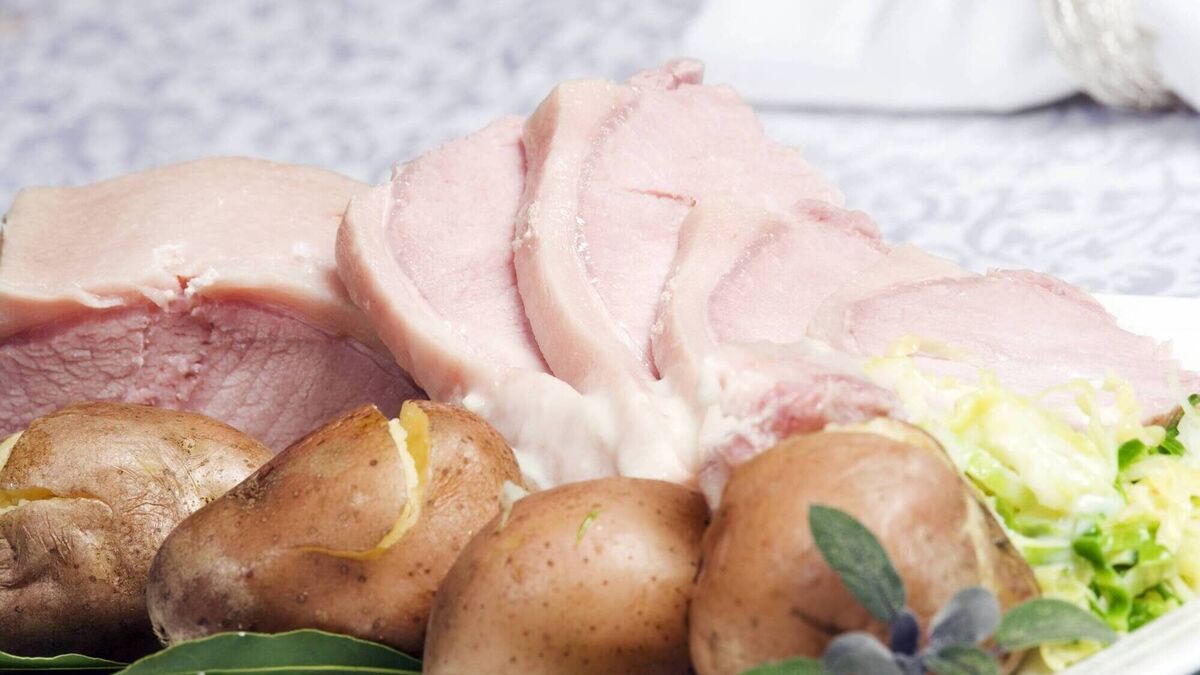
Without question Ireland’s national dish – less widely known abroad, but much more widely eaten, particularly in rural Ireland, than the legendary Irish stew.
Servings
12Preparation Time
15 minsCooking Time
2 hours 0 minsTotal Time
2 hours 15 minsCourse
MainIngredients
1.8-2.25kg loin or shoulder of bacon with a nice covering of fat
1 head of cabbage: Savoy, Greyhound or spring cabbage, depending on the time of year
butter
white pepper
For the parsley sauce:
4-6 tbsp finely chopped fresh parsley leaves (retain the stalks)
600ml fresh whole milk
30-45g roux (equal quantities of plain flour and butter cooked for 2 minutes on a low heat, stirring occasionally)
salt and freshly ground pepper
Method
If the bacon is too salty, cover in cold water and bring slowly to the boil (uncovered), white froth will rise to the top. Pour off the water. Cover with hot water and simmer until nearly cooked through, allowing at least 20 minutes per 450g.
Meanwhile, remove the outer leaves from the cabbage. Cut the cabbage into quarters, discarding the centre core. Cut each quarter into thin strips across the grain. About 30 minutes before the bacon is cooked, add the cabbage.
Continue to cook until the cabbage is soft and tender, and the bacon is fully cooked through. Remove the bacon to a hot plate and strain the water off the cabbage. Return the cabbage to the pan with a lump of butter, season with white pepper.
Serve with the bacon and, traditionally, boiled potatoes and Parsley Sauce.
Put the parsley stalks into a saucepan with the cold milk, bring slowly to the boil, then remove the stalks. Whisk the roux into the boiling milk until thickened and add the chopped parsley. Season with salt and freshly ground pepper.
Simmer for 5-10 minutes on a very low heat, then taste and correct the seasoning before serving.