Michelle Darmody: How to bake traditional Irish brown soda bread in just one hour
Patience is the most difficult part of this recipe

It is nice to know how to make a reliable soda bread. This is the recipe that I use most frequently, and I have to say one that I really enjoy making. When you get used to the measurements and amounts you can put the bread together quite quickly.
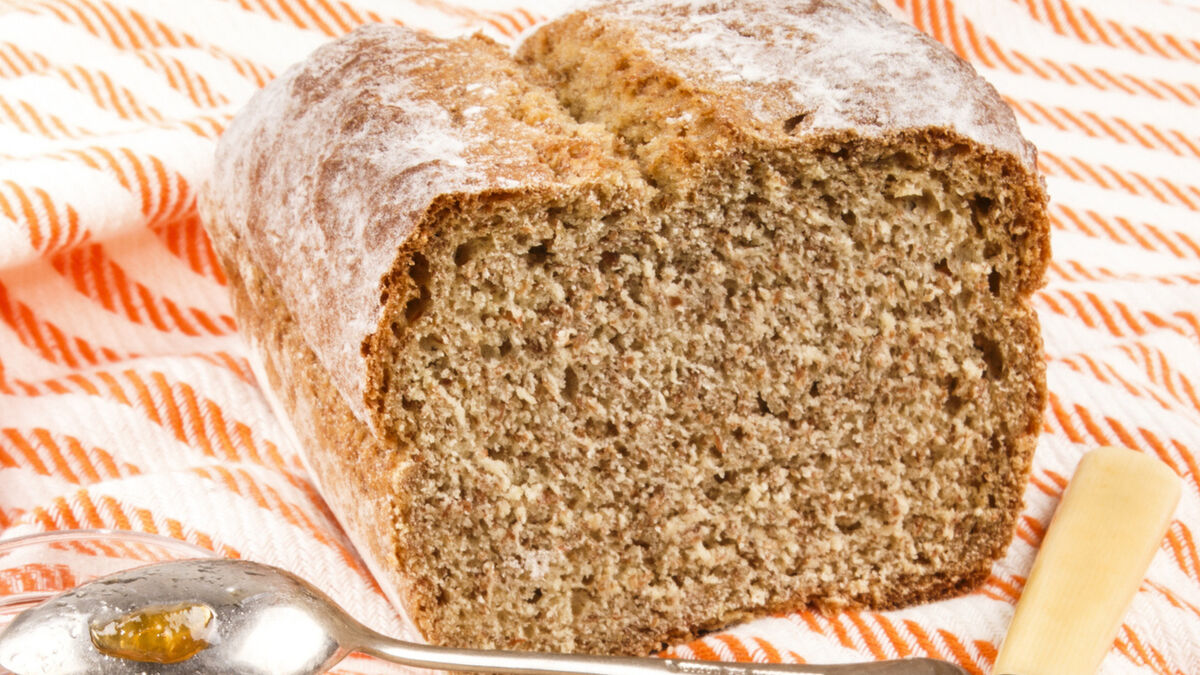
Brown soda bread
Soda bread is Ireland’s most traditional bread
Servings
10Preparation Time
15 minsCooking Time
45 minsTotal Time
60 minsCourse
BakingIngredients
250g brown flour
200g white flour
20g porridge oats (and extra for sprinkling)
1 tsp bread soda, sieved
½ tsp salt, sieved
350ml buttermilk
1 egg
1 tsp honey
Method
Preheat your oven to 240ºC/gas mark 9. Line the base of a 2lb loaf tin with baking parchment.
Mix the flours and porridge with the sieved bread soda and salt. Stir these well so that the bread soda in particular is well mixed into the flours.
Measure the buttermilk into a measuring jug and add the egg and honey and whisk lightly with a fork to break the egg yolk and combine the ingredients.
Make a well in the dry ingredients and pour the wet mixture into it. Stir until mixed. I use a spatula to do this making sure to get all of the dry ingredients from the base of the bowl.
Scoop the mixture into your prepared tin. Flaten the top with the back of a wet spoon and make a slit down the centre to allow air escape as the bread bakes. Sprinkle a handful of oats over the bread and place the loaf tin into the centre of your oven.
Bake for 15 minutes at 240ºC/gas mark 9 then turn the oven down to 180ºC/gas mark 4 and bake for a further 30 minutes. Check the loaf is baked by inserting a skewer into the centre and making sure it comes out clean.
When the bread is cool enough to handle place it on a wire rack to cool completely.
If there is a green tinge to your bread it means that you have added too much bread soda. The discoloration can also result in a slightly metallic taste. Next time make sure you use less on your spoon. An even teaspoon rather than a heaped teaspoon is required.
If the bread is too chewy, dense or hard it is likely that you have over mixed the bread dough. The flour just needs to be mixed with the wet ingredients not kneaded in the way that a yeast bread is. If you mix it too much the flour will toughen.
Heating the oven very high at the start allows a nice crust to form on your loaf.
To make your own buttermilk add two tablespoons of fresh lemon juice or white vinegar to full-fat milk and allow it to sit in a warm place for about half an hour.
When putting a cut in the loaf make sure it is straight down centre and quite deep or else the loaf will start to become lopsided and rise unendingly. The slit also helps to ensure that the centre of the loaf bakes.
I find it easiest to use a skewer to test when my soda bread is ready, as I do with a cake, but if you do not have one to hand you can cover your hands with a tea towel and remove the loaf from the tin. Tap the bottom of the loaf and if it sounds hollow, it is done.
The bread mixture will be quite wet when you are scooping it into the tin. Using a tin allows for a wetter dough which gives a bouncier result.
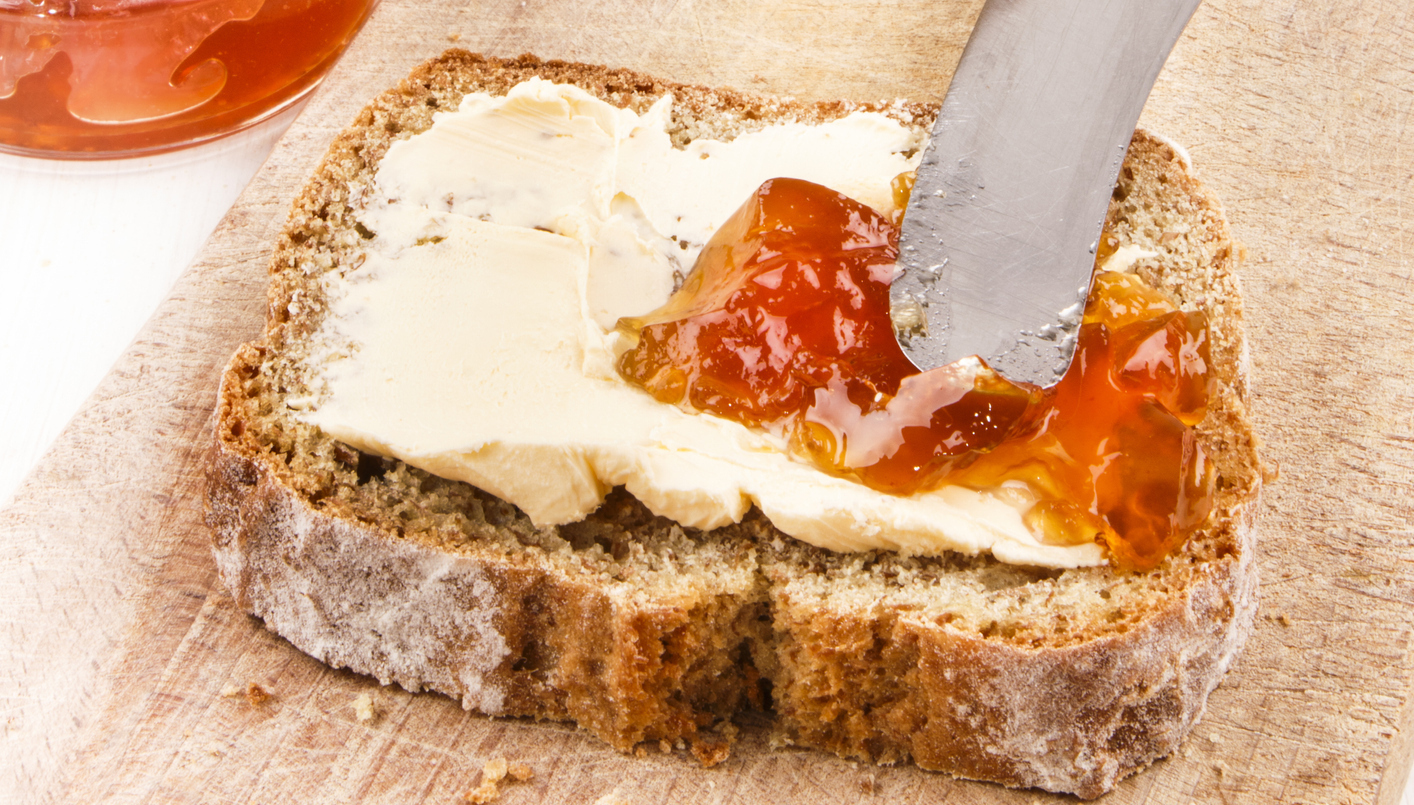
Patience is the most difficult part of this recipe. I find it very hard to resist the bread when it is hot out of the oven, wanting to cut a slice and cover it in butter so that melts in the heat and then layering it with marmalade. But the trick for a good loaf is to leave it sit for at least 15 minutes or else it will go gummy inside from the early cutting.
Originally soda bread had just four ingredients flour, salt, buttermilk and bread soda. I like to add an egg and some honey. The honey does two things, along with the buttermilk, it helps the bread soda to react and rise the bread, but it also adds a nice, sweet note to the loaf. The egg adds sustenance but also gives a good crust and helps create more air to give a softer interior to the loaf.
Adding seeds to soda bread is great way to bulk up your intake of plant-based foods. To make a seed loaf add 100g of mixed seeds to the dry ingredients and use a few extra for sprinkling on top before it bakes.
Adding chopped herbs to soda bread gives delicious results. I generally use a mixture of thyme, rosemary and sage chopped very finely and added at the end of the process just before I scoop the mixture into the tin. The loaf is then perfect for dipping into soup or serving with cheese.
Another nice savoury option, I use a hard cheese and add 75g to the wet ingredients along with 2 finely sliced spring onions.
Substitute the brown flour with 250g white. A white loaf can be as versatile, or more so, than a brown one.
Caraway and fennel seeds are very good at aiding digestion. Adding 2 teaspoons of either seeds to your loaf will give an interesting flavour burst. Add them to the dry ingredients and stir them in before adding the wet mixture.