Herd Tasks: Your weekly farming checklist
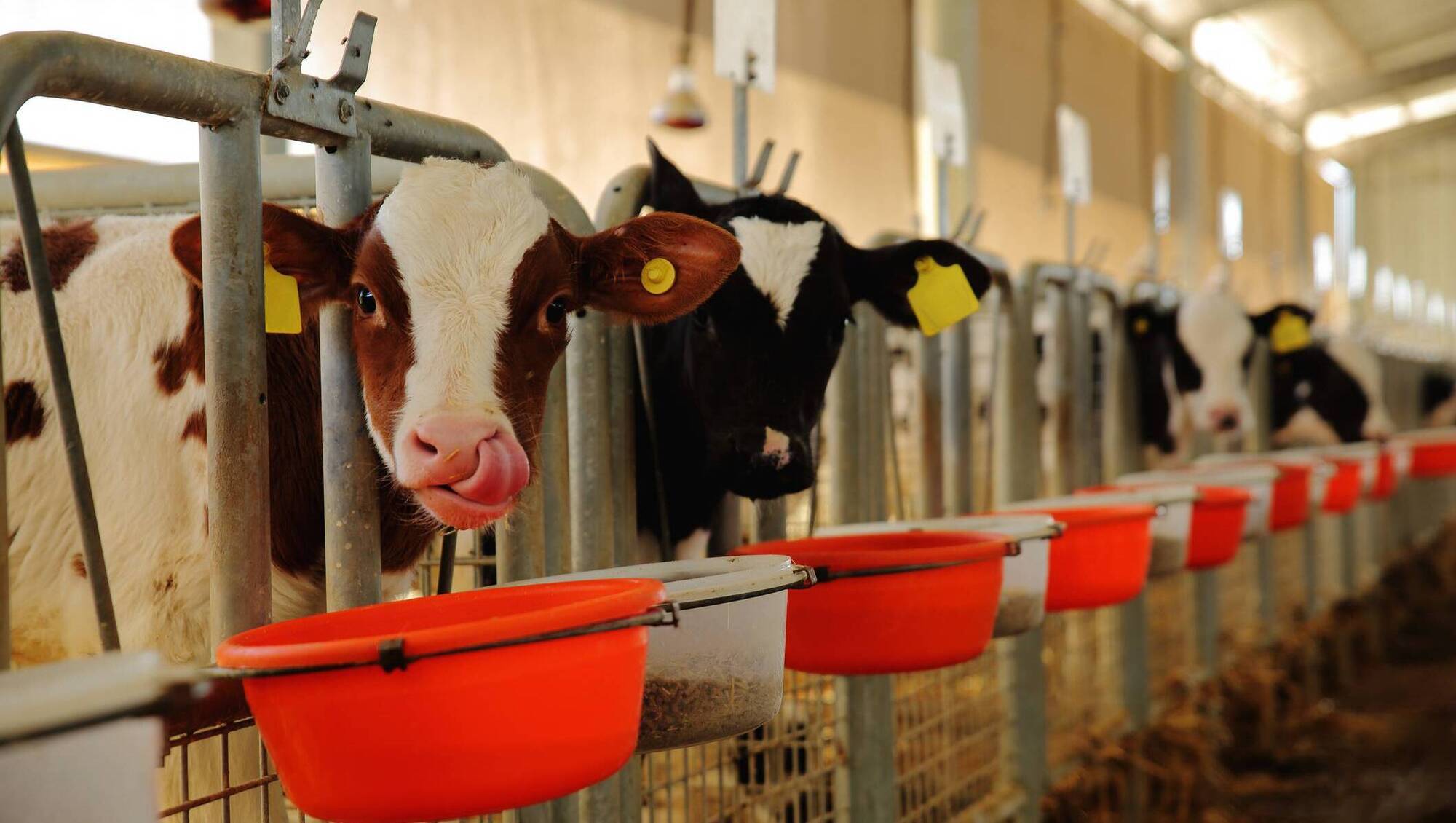
If you do vaccinate for scour, it’s close to the time to get it done.
- Have you tested your silage yet?
- Mineral and feed analysis should be used to formulate nutrient and mineral strategies for each batch of animals
- Lice are a significant issue on pretty much every farm at this point unless recently treated.
- It can have a major impact on intake and, as a result, animal performance.
- Scour vaccination — if you do vaccinate for scour, it’s close to the time to get it done. Is the crypto vaccine something you should also consider for your herd?
- Spring calving herds will be drying off batches of cows over the coming weeks.
- Dry off cows fast, rather than milking once per day for a week.
- Watch that the feed material being used to dry off cows does not contain moulds and toxins, particularly an issue in very dry forages.
- Choose a good-quality dry cow mineral spec.
- For cows milking through, increase the protein content of the meal being fed to 20/22% to balance grass silage, as most are only 11/12% protein.
- Group dry cows in both suckler and dairy herds according to calving date at housing and feed accordingly with pre-calving mineral.
- Consider protein supplementation in the two to three weeks pre-calving to boost colostrum quality and quantity.
- Don’t stock pens too heavily to avoid bullying of fresh cows and injury to calves.
- Maintain good heat detection records for autumn calvers.
- Sucklers can be difficult to see in heat indoors, especially when on slats, so the use of heat detection aids will be a big help.
- Try to ensure you are supplying sufficient protein to growing cattle, given most silages are very low in protein. If feeding late-cut silage, then add extra fibre and you may not require as much protein.
- Energy drives weight gain and fat cover.
- A high-energy meal will speed up finishing, but if silage quality is poor, then increased kilos of meal will be necessary to get cattle to slaughter at your target date.

BLACK FRIDAY
Already a subscriber? Sign in