Farm View: Spring calving could reveal the true toll of bluetongue
Because the bluetongue virus does not overwinter here, the severe effects of bluetongue in mainland Europe will perhaps not be repeated in Ireland.
Farmers who didn’t vaccinate for bluetongue will have their fingers crossed in the spring calving season.
Bluetongue cases have been identified in 15 counties.
“I think that the reasonable bet at this point would be that, come spring 2027, it's likely that we're going to see the impacts of this current period of infection, in terms of calves born as so-called dummy calves with congenital defects or neurological deficits associated with infection,” said Conor McAloon, professor of veterinary epidemiology and director of the Centre for Veterinary Epidemiology and Risk Analysis at UCD, during a recent Dairy Edge podcast.
Such cases in the spring will stem from bluetongue infection in the western UK, particularly in Devon, Cornwall, and Wales, and south-easterly winds last July and August blowing infection across the Irish Sea.
“We had some very optimal conditions for midges to be blown across the Irish Sea. We think that might've happened once or twice during August,” Prof McAloon said. New Irish cases were identified since early September, mostly confined to Ireland’s east.
“I haven't seen any sort of convincing evidence that it successfully overwintered in Ireland,” said the veterinary expert.
“One of the reasons we're really worried about an overwintering and early cycling infection was that it could coincide with the first trimester of gestation for breeding herds. That would lead to potentially a lot of embryonic deaths, animals returning to cyclicity and re-inseminated, or missed and perhaps empty at the end of breeding season,”, Prof McAloon explained.
Because the bluetongue virus does not overwinter here, the severe effects of bluetongue in mainland Europe will perhaps not be repeated in Ireland.
Prof McAloon said the effects of the virus followed a three-year cycle in mainland Europe, “where it comes into the country, causes clinical impacts the first year, in the second year spreads really, really widely, causes really chaotic, catastrophic signs and impacts, and in the third and fourth year starts to die down, as the whole national herd starts to acquire immunity”.
“If it doesn't successfully overwinter, it needs a second incursion. If that doesn't overwinter, we need a third incursion, so it's a bit more stop-start, we expect,” he said.
Based on vaccine sales, it’s estimated bout 50% of breeding herds or breeding females have been vaccinated in Ireland.
“We expect most of those vaccine sales to be down in the southeast, where we think most of the risk is,” Prof McAloon said.
“Vaccination is important to try and reduce the impact of the spectrum of disorders associated with the disease.
“Those herds that chose to vaccinate will be largely protected. No vaccine, we're going to say, is 100%, but close to that will be protected against those clinical signs of the infection,” he added.
While vaccination can be expensive, so is dealing with bluetongue infections.
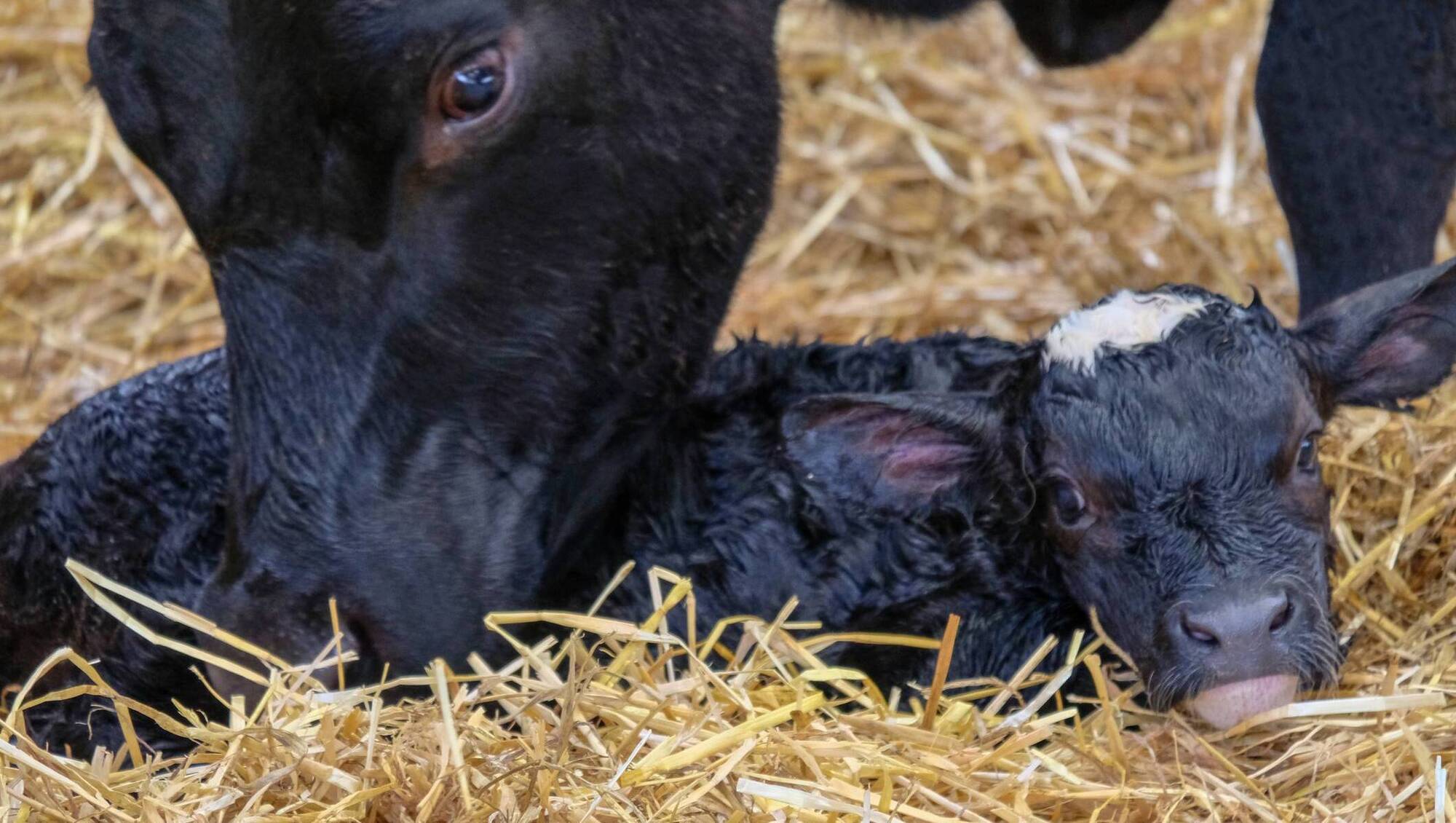
“You have some very severely affected dummy calves, and others that maybe farmers will feel they're not quite bad enough to euthanise, and maybe want to try to work with, and people can spend a lot of time, a lot of labour working with those animals,” Prof McAloon said.
He warned incursions of midge-borne viruses were going to be more frequent and more likely.
Schmallenberg is already well established in Ireland. Prof McAloon said this virus could spread faster than bluetongue. Immunity develops, but the virus can re-emerge if a population of new animals is introduced to the herd.
Not much is known yet about the shamonda virus, which has been detected in the south of Ireland; there is no vaccine available for it.
Prof McAloon said: “There might be viruses that we need to think about, that we haven't thought about before, as part of our normal vaccination routine.”
“We may need our vaccine programme to pull some of those in, or maybe even retire some of them,” he said.

BLACK FRIDAY
Already a subscriber? Sign in