Mayo-based project 'creates space' to make farms work for women
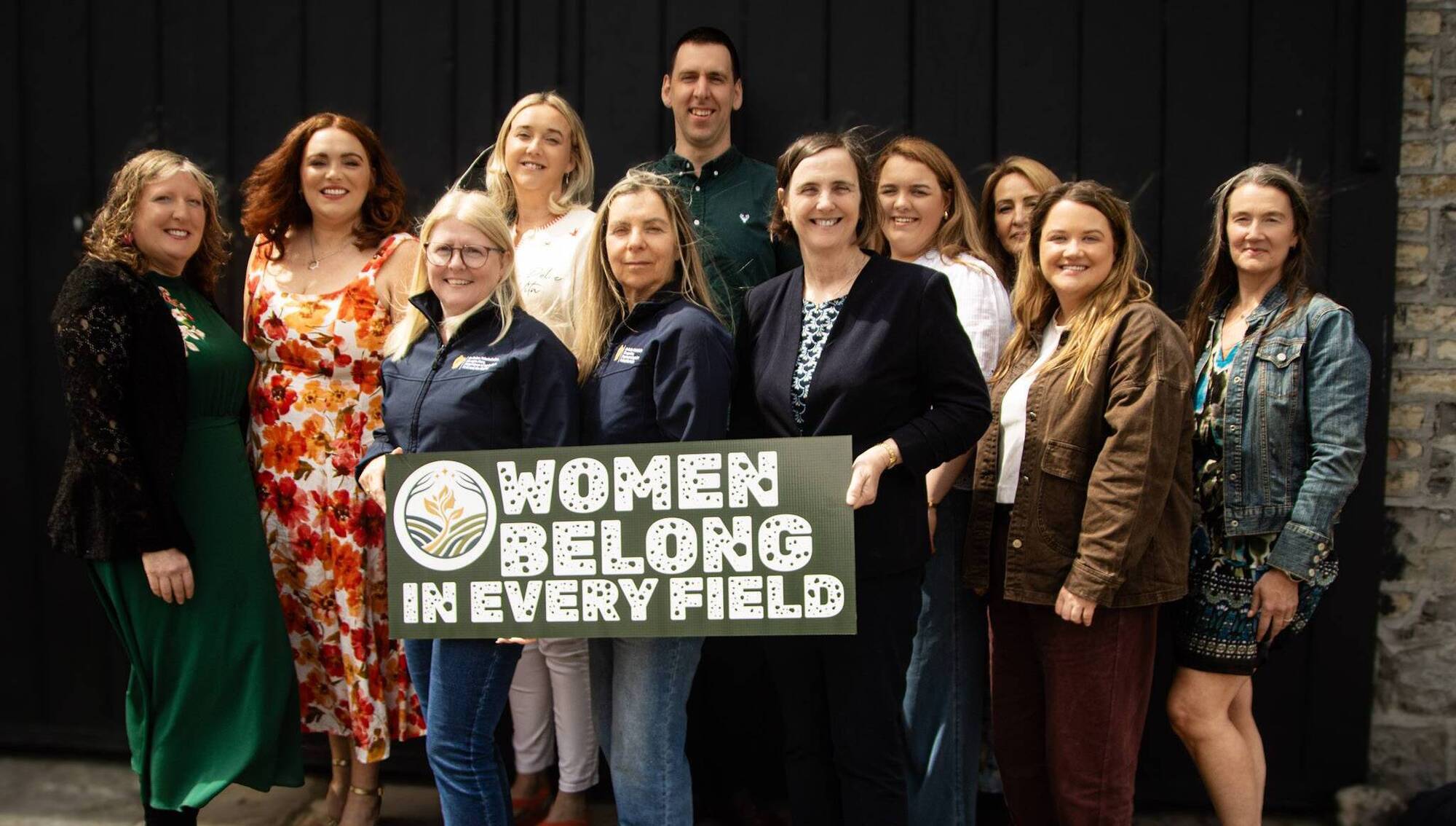
Members of the Making Farms Work for Women group. It is based in Co Mayo, which has the highest proportion of female farm holders in Ireland, 15.5% compared with 13.2% nationally.
The work of an EU-aided Irish project organising training specifically for women farmers has been highlighted by the EU CAP Network.
The women-only working environments organised by Making Farms Work for Women create spaces where women feel comfortable and where topics are adapted to their needs.
“Women tell us, ‘I want to learn, but I don't feel confident going on my own,’” explained agricultural advisor Claire Brennan, leader of the three-year project. “We are creating a space where they can learn together, ask questions, and make mistakes without being afraid.”
Making Farms Work for Women is based in Co Mayo, which has the highest proportion of female farm holders in Ireland, 15.5% compared with 13.2% nationally. But the group’s influence is spreading beyond Co Mayo.
For example, it is involved, along with Acres CP and various sponsors, in bringing similar training for women to Pallaskenry, Co Limerick, on November 28, at a free-to-attend (registration required) event on sustainable milk production, tractor skills, soil health, and grassland.
Read More
In Co Mayo, 30 farm visits helped the team to better understand the barriers women face in developing practical farming skills. “We spent about an hour and a half with each woman,” said Claire Brennan.
Women discussed their family commitments, the tasks they found challenging, and the support or training they would like to access. Topics from handling livestock and machinery to moving gates, water troughs, and heavy bags were discussed.
At the first two Making Farms Work for Women training sessions, one participant explained: “Being amongst women was beneficial for the training.
"It also felt like a two-way learning, as there was feedback from other women as well as the trainer, and more learning was the result."
"Magic happens when women come together to solve a problem,” said Claire Brennan. She is one of the eight farmers, advisors, educators, and community members who acted on the belief that farming should work equally well for women.
They set about tackling real barriers such as tools and machinery built for larger frames, the physical demands of livestock handling, the juggle of farm work alongside family responsibilities, and lack of confidence that comes from years of being on the margins of agricultural life.
Making Farms Work for Women is now helping 60 women farmers to address real, everyday challenges.
Training is offered on tractor driving, trailer reversing, welding and farm DIY, as well as innovation activities. Also being explored are solutions ranging from more ergonomic tools and lifting aids to improved livestock-handling equipment, sometimes drawing on expertise from other sectors, such as pharmaceutical manufacturing.
The team shares its activities and progress on makingfarmsworkforwomen.ie and social media. Outreach programmes that bring children and parents together to learn about farm safety in a fun and welcoming way are also offered.

BLACK FRIDAY
Already a subscriber? Sign in