Pre-calving minerals crucial for February calvers from December, says Teagasc
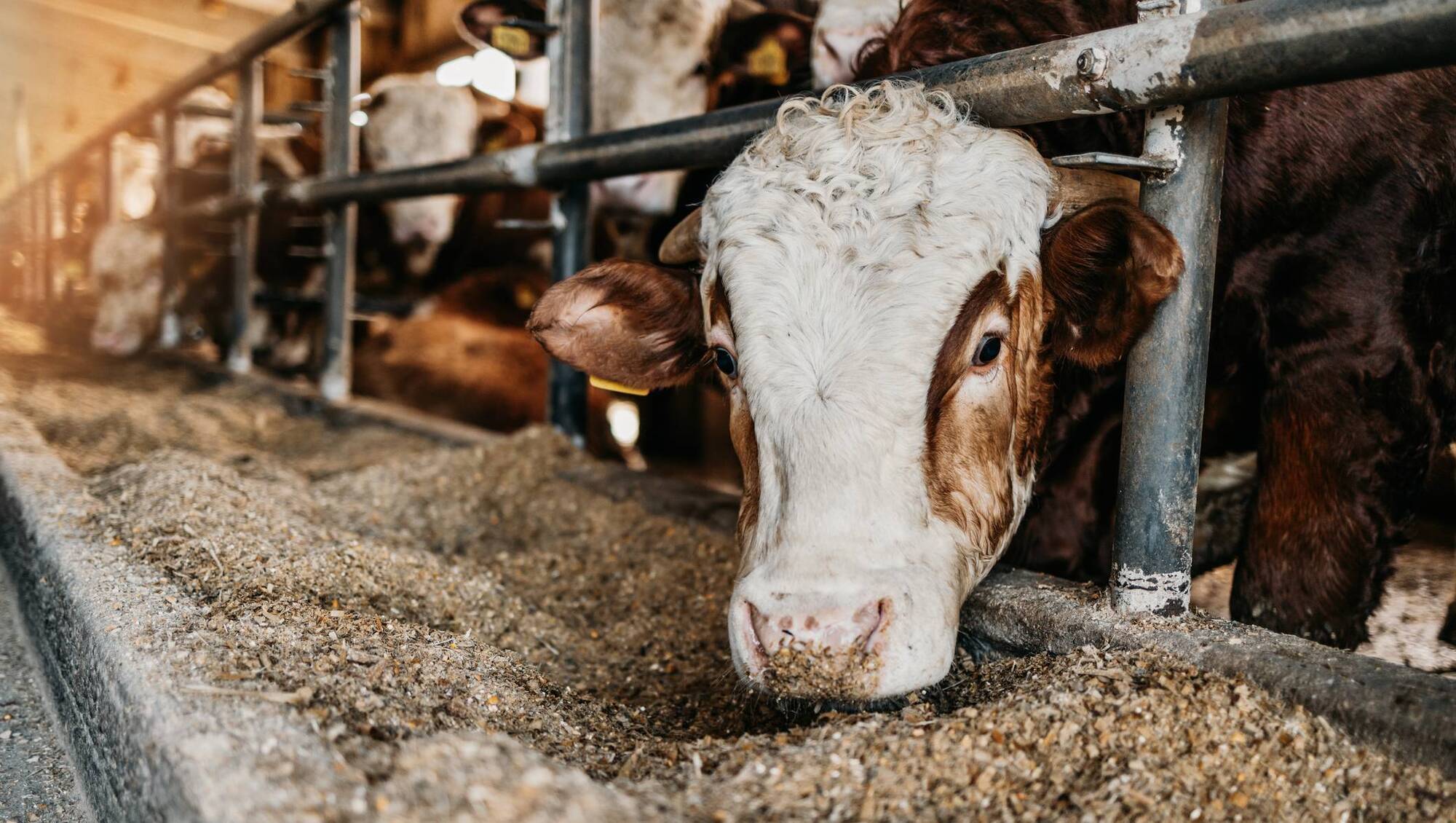
'If feed space is limiting, you're really going to struggle for every animal to get access, particularly when you're dusting on top of the silage because it's going to be gone with the first few mouthfuls.'
Cows calving in early February need minerals from the first week of December, said Teagasc ruminant nutrition specialist Dr Aisling Claffey, in a recent Dairy Edge podcast.
“You have a rapid foetal growth going on in that period. They're required by both the cow and calf, and if the cow doesn't have it to give to the calf, if she's not getting it on a daily basis, the calf is going to take it from the likes of liver stores.
“The calf is going to take what it needs, so it's going to deplete the cow in that period”.
Dr Claffey explained how pre-calving minerals must supply sufficient magnesium to mobilise calcium in the cow at calving time, and why certain vitamins are also very important.
“The pre-calver needs to be going in consistently on a daily basis”, she emphasised.
“If you forget to do the pre-calving minerals on the first of April, there's probably only going to be maybe two cows calving in the next week, so the detrimental impact from that is very small.
Read More
“If you forget the pre-calving minerals for a day or two in the first week of February, and there's maybe 10% or 15% of your herd going to calve the next week, it has a lot bigger knock-on effect in terms of cows going down, subclinical milk fever, all the issues that are associated with it”.
“Missing it for a day or two can cause a huge knock-on effect. To that one cow that goes down, there are probably 10 cows in the background with subclinical milk fever as well, whether that's retained cleanings, maybe cows that are slow at calving as well,” she said.
“Calcium is really important for muscle function, so that's why weakened muscle function in a milk fever cow causes her to go down. There's a whole other knock-on effect to that in the cow in terms of muscle, uterine contractions, rumen contractions as well, so intake can be affected.”
“If feed space is limiting, you're really going to struggle for every animal to get access, particularly when you're dusting on top of the silage because it's going to be gone with the first few mouthfuls,” Dr Claffey advised.
Dusting twice a day improves the opportunity for all cows.
She said magnesium allows parathyroid hormone secretions to respond to low blood calcium and mobilise calcium from the bone, and also supports the calcitriol hormone, to allow for re-absorption of calcium from the kidneys.
Ideally, the pre-calver will be at least 25% magnesium. Based on recent research, the magnesium requirement for the pre-calving cow was increased by 0.4%.
“You do need probably 30 grammes of magnesium going through your minerals, whether that's altering the feed rate to achieve it, or just ensuring that there's enough in the product you're buying to get that from 100 to 120 grammes per head per day,” Dr Claffey said.
“A lot of our vitamins are lost, in terms of silage production. They're readily available for cows grazing grass, but not as consistently available during the house period.
"Vitamin D in particular is a really important one from a calcium mobilisation point of view. Ideally, we'd see that up at about 200,000 international units per kilo on the bag.
“Vitamin A is important for organ development. You have a rapidly growing foetus over months eight and nine of gestation. Ideally, that should be up around 600,000 units.
“Vitamin E, ideally, is probably close to 10,000 units. Vitamin E works with selenium for immune status, and plays a really important role in reducing mastitis risk.”
As soil indexes are improved, and potassium increases, potassium can impede magnesium absorption. Dr Claffey recommended silage testing to guard against this, despite a cost of approximately €100. “It should be tested every year”. One cow going down could cost up to €500.

BLACK FRIDAY
Already a subscriber? Sign in