Biosecurity measures to take effect as bird flu is detected in Tyrone
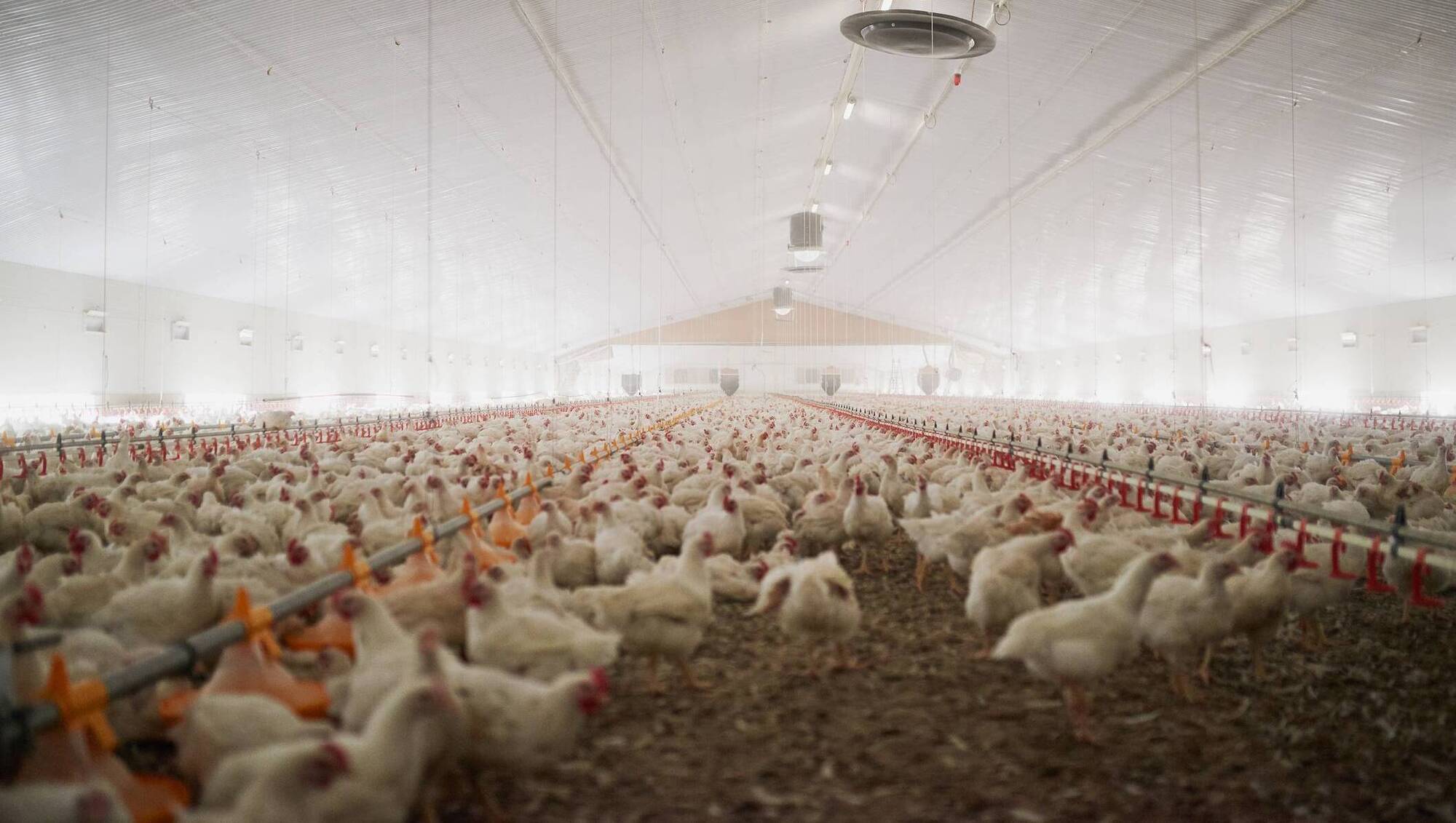
Agriculture minister Martin Heydon has outlined biosecurity measures for flock owners in an effort to mitigate HPAI instances.
Flock owners have been asked to exercise caution and implement biosecurity measures this month following a positive case of bird flu detected in Co Tyrone.
Minister of agriculture Andrew Muir announced on Monday the confirmation of highly pathogenic avian influenza (HPAI) at a commercial poultry premises near Coagh, Co Tyrone.
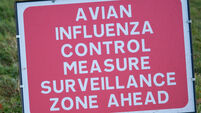
Mandatory control measures, including the humane culling of all poultry on the site, and a 3km protection zone and 10km surveillance zone around the premises, have been carried out. A mandatory housing order will come into effect in Northern Ireland from November 19, in light of the positive case.
Agriculture minister Martin Heydon announced biosecurity regulations to take effect this week, November 18, as mitigating measures against HPAI. There are currently no documented positive cases in captive birds in Ireland.
Read More
"Although we have seen very few cases of avian influenza in wild birds in Ireland this year, the outbreaks we are now seeing in Great Britain show that the virus is circulating close to home.”
Clinical signs poultry keepers should look for in their birds include a swollen head, discolouration of neck and throat, loss of appetite, respiratory distress, diarrhoea, and fewer eggs laid — these signs may vary between species of bird.
The new biosecurity rules apply to all flock owners, big or small, and are split between Schedule 1 and 2. Schedule 1 applies to all land or premises that keep poultry or other captive birds.
Schedule 2 is in addition to Schedule 1 and also applies to land/premises with more than 350 poultry or other captive birds.
The most important measure is to prevent contact between wild and captive birds and poultry.
Birds can become infected with avian influenza by being in close contact with a wild bird or from contact with an infected bird’s droppings or feathers.
Outdoor areas where poultry and captive birds have access must be fenced or surrounded by netting. If wild birds gain access to these areas, droppings and feathers must be removed.
Fence off or cover with netting open water, standing water or waterlogged areas that may attract wild waterfowl.
All feeding and watering points should be moved indoors, and any feed spills cleaned up quickly to avoid attracting wild birds and rodents. Flock owners should also utilise use of deterrents such as bird scarers, flutter tape, scarecrows on their holdings.
Sick and dead wild birds could be carriers of avian influenza. Poultry and captive birds must not be in contact with wild bird carcasses. If you find a sick or dead wild bird, remove your poultry from the area and contact your Regional Veterinary Office, which will arrange to collect the bird and submit it for testing, where appropriate.
Sick wild birds must not be handled or brought to a premises where poultry or other birds are kept. If contact with wild birds, their carcasses, droppings or feathers is possible. Where this is not possible, ensure that you wear gloves.
All poultry houses should be bird- and rodent-proof. Bird-proof netting, if used, should have holes no larger than 25mm. Flock owners should also check regularly for any holes or leaks in roofs, guttering and downpipes.
Non-essential vehicles should not enter the site, and regular cleansing and disinfection should be carried out on all concrete walkways, paths and similar surfaces where poultry and wild birds may have access. Flock owners should also provide footbaths containing department-registered disinfectants outside each poultry house.
Poultry should not be exposed to manure or slurry which could contain bird flu viruses, and no other animals, including pets, are to be permitted into poultry or captive bird housing.
The department advises flock owners to minimise movements of visitors, vehicles and equipment on a holding. Equipment should not be shared between farms and must be cleaned and disinfected. It is not advised to re-use plastic egg trays that are not thoroughly cleaned, and not to re-use disposable egg trays.
Workers should not be in contact with any other birds or poultry outside the premises and must wear designated clothing and footwear for the holding. Visitors should be given disposable overalls and footwear.
Record all visitors and vehicles that enter your holding, or any premises where poultry or captive birds are kept, to enable track and trace should an outbreak occur. All movements of birds or eggs on and off the holding should also be recorded.
Flock owners should only buy birds from a known reputable source and isolate any newly introduced poultry for two weeks if possible. Ducks and geese tend not to develop as severe signs of bird flu. Keep ducks and geese apart from other poultry, as they could be carriers of disease without showing signs.
Both Schedules 1 and 2 apply to flock owners with more than 350 birds on land or premises.
Land and premises must be divided into three separate areas: live bird housing, ancillary areas, including storage, and restricted area access with a biosecure barrier.
Live bird housing should only permit essential personnel. All personnel must change clothing and footwear before entering and exiting the building. All vehicles, in particular wheels and wheel arches, must be disinfected when leaving and entering the live bird housing, and records of all vehicles and equipment entering or exiting the building must be kept.
For ancillary areas and storage, this area must be fully and clearly separated from the live bird housing/accommodation area. Only essential personnel are to be granted access following all the usual biosecurity protocols, including changing clothing and footwear on both entry and exit.
Waste and carcasses are to be kept in this area of the premises, where no other animals or vermin can gain access. Ideally, a suitable lidded and lockable bin should be kept outside the perimeter of the holding so unnecessary movement of collection vehicles onto the premises is avoided.
All vehicles and any equipment must be cleaned and disinfected with registered disinfectants both when they leave and on their return to the holding. The same rules apply to egg trays that were outlined in Schedule 1, and the packaging, handling and storage of second-quality eggs must be managed in a biosecure manner.
In regard to restricted areas and biosecure barriers, flock owners are advised to allow only essential personnel access, following all the usual biosecurity protocols, including changing clothing and footwear on both entry and exit. Non-essential vehicles are not permitted access to the premises.

BLACK FRIDAY
Already a subscriber? Sign in