Needle-free robot takes on cattle vaccination
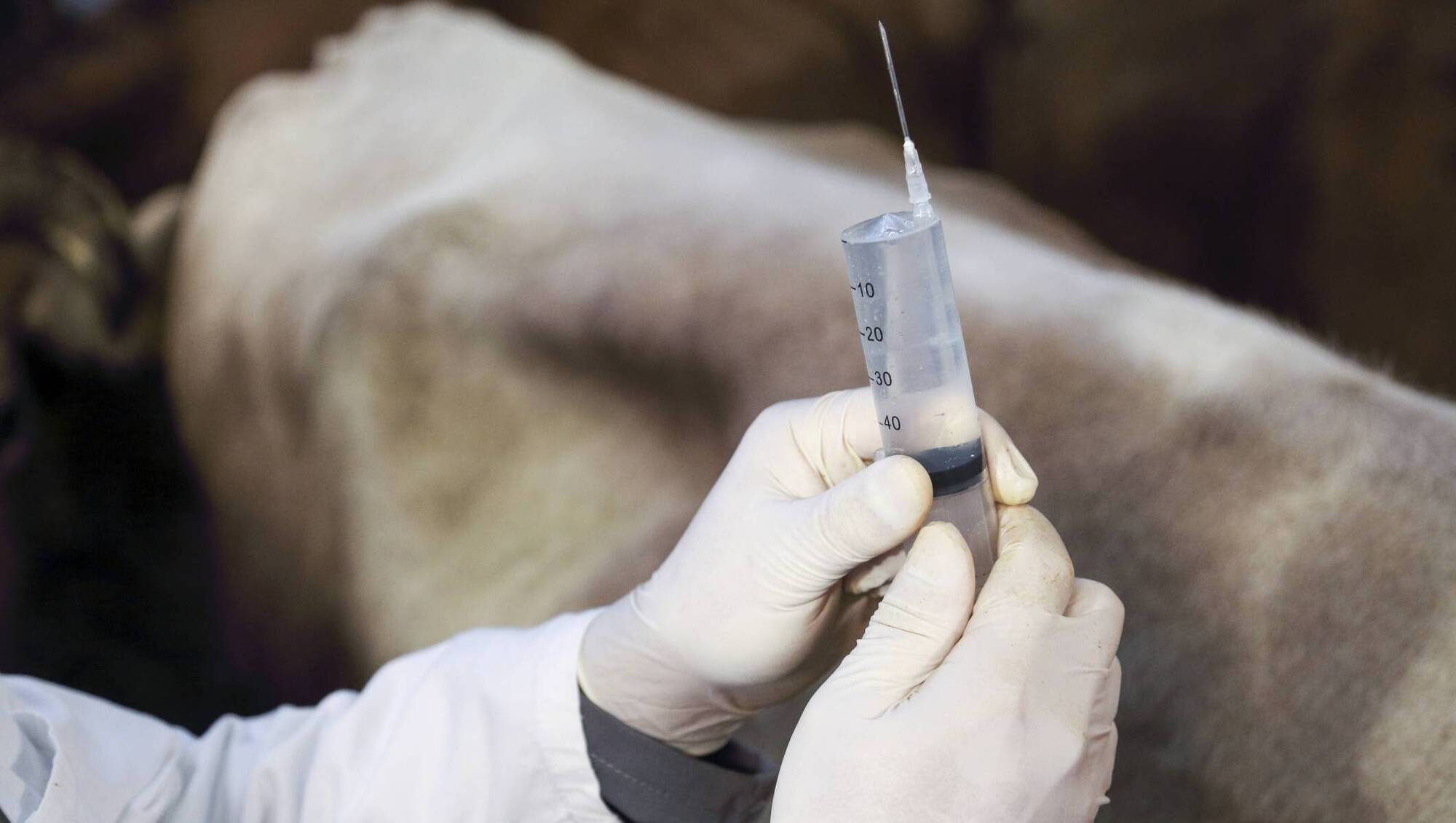
Needle-free injection systems use high pressure to force liquid pharmaceuticals through the layers of skin.

Needle-free injection systems use high pressure to force liquid pharmaceuticals through the layers of skin.

Vaccinating hundreds of animals is an increasingly common task on farms, and not one farmers look forward to, especially on dairy or beef farms.

But the RoBooVaxx system aims to automate the procedure. It does not even involve needles, and has won one of the innovation prizes awarded at EuroTier in Germany. The fair is the world’s leading trade fair for animal farming and livestock management.

Needle-free injection systems use high pressure to force liquid pharmaceuticals through the layers of skin. They are already being used in humans and certain animal species such as pigs and poultry.

They offer advantages compared to conventional injection methods involving needles, including reducing pain and stress, avoiding cross-contamination from needle re-use, and reducing the risk of the farmer being injured. There are also no disposable needles to be safely collected.

But there is much more than needle-free injection to the RoBooVaxx robotic cow vaccination system developed by Obuda University in Hungary.

The treatment box unit is designed to enable vaccination or hormone treatment automatically.

The animal walks in through a self-closing headgate into the restraint unit, where dual-side RFID readers confirm its identity.

A pressure-sensing support stabilises the animal’s position.

An onboard artificial intelligence camera identifies the injection site.

In doing this, the system considers the degree of soiling, any swellings or injuries, and the accessibility of the corresponding area of skin, and then independently selects the most suitable side of the animal and injection site.

A vision-guided robotic arm positions the needle-free injection head, using compressed air to deliver the medication through the skin.

The unit logs every step. Every important action can be recorded, which keeps the treatment traceable afterwards.

The system aims to provide consistent dosing while reducing the manual work involved in treating large groups of cattle.

This procedure involves injury risks and can be stressful for both humans and animals, especially on farms which lack good restraining facilities.

The system has won one of the German Agricultural Society’s 27 EuroTier silver medals for innovation.

  • This year’s EuroTier takes place from November 10 to 13 in Hanover, Germany.

More in this section

Farming

Newsletter

Stay ahead of the season. Sign up for insights, expert advice and stories shaping Irish agriculture.

Cookie Policy Privacy Policy Brand Safety FAQ Help Contact Us Terms and Conditions

© Examiner Echo Group Limited