Signpost: Strong lamb prices ease pressure as weaning continues on Michael's Galway farm
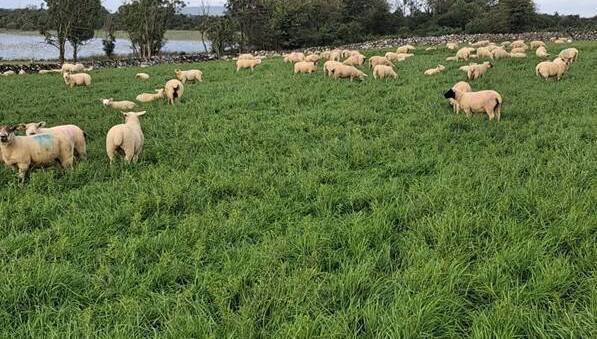
Michael's lambs grazing the reseeded aftergrass following the silage harvest. Picture: Michael Forde
The past few weeks have brought excellent weather and provided a fantastic opportunity to conserve winter feed. There has been plenty of silage and hay made around Galway, with farmers making the most of the fine spell.
On June 18, we sent another batch of lambs to the factory.
We weighed every lamb beforehand, and I can't emphasise the value of weighing scales enough when deciding which lambs are ready for slaughter. Lambs were also closely assessed for fat cover to ensure they met the optimum specification.
Both weight and fat cover are vital if we are to meet factory requirements.
Most of the lambs we drafted weighed between 44kg and 45kg liveweight. They achieved carcass weights of about 21.5kg, which is exactly where we like them to be.
We also sent a smaller number of lighter lambs weighing about 42kg. These killed out at approximately 19.5kg.
It wasn't an easy decision to draft these lighter lambs, but we were satisfied with the price available. Had prices fallen, we could easily have lost more by holding them than we would have gained by feeding them for longer.
Prices ranged from a high of €212/head to a low of €193/head.
The day after drafting, on June 19, we weaned another group of lambs.
These lambs received a cobalt dose before being given a week to settle. They were then weighed, with the 60 lambs averaging 40kg.
Read More
They have now joined the finishing group, where concentrate feeding will gradually increase to about 0.5kg per lamb per day until they reach the target weight and fat cover.
The remaining lambs are currently receiving approximately 0.25kg of meal per head per day before being gradually stepped up as they move into the finishing phase.
Making the best possible use of quality grass while finishing lambs at the correct age and fat score is also beneficial from an environmental perspective, helping to reduce greenhouse gas emissions.
We recently condition scored all of the ewes and divided them into two management groups.
As participants in the Teagasc Better Sheep Programme, we record a significant amount of on-farm data and regular condition scoring is one of those measurements.
It is a valuable exercise that continues to improve my ability to identify ewes that are carrying either too much or too little condition.
The flock was divided into ewes in optimum condition and those in sub-optimum condition.
The ewes in optimum condition now graze paddocks after the lambs have moved on. This allows the lambs to receive the leafiest grass while the ewes clean out the remaining sward, encouraging tillering and improving grass quality.
The thinner ewes are allocated better-quality grass to help them regain condition, although the lambs will always receive first priority.
As I mentioned in my previous article, we reseeded one field this year before taking a silage crop from it.
Following harvest, the field received fertiliser and it has since produced an excellent cover of aftergrass.
It has been very encouraging to see both the quality and quantity of grass produced by the new reseed.
Its performance has certainly made me reconsider one or two older paddocks that may now be due for reseeding.
The sheep will be shorn in late August, having previously received CLIK treatment.
We carried out our first faecal egg count on July 1 and worm levels remain low.
Another faecal egg count will be carried out over the coming weeks so that we can continue to monitor worm burdens closely.
Our aim is to avoid unnecessary dosing wherever possible, helping to reduce the risk of anthelmintic resistance developing within the flock.
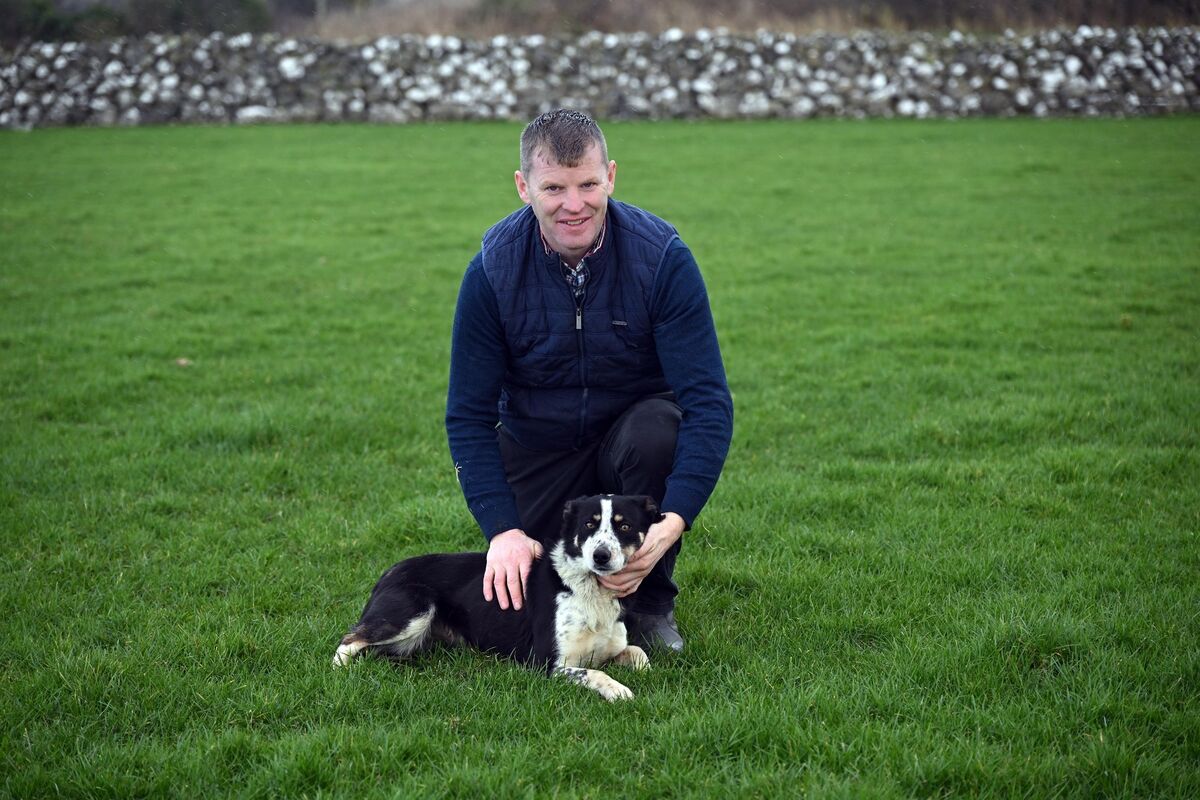
- Michael Forde runs a mixed cattle and sheep farm in Annagh West, Corrandulla, Co Galway. His Teagasc adviser is Kevin Fahey. He writes for the as part of its Signpost Series.