Cross-border BVD hot spot remains as island-wide eradication push intensifies
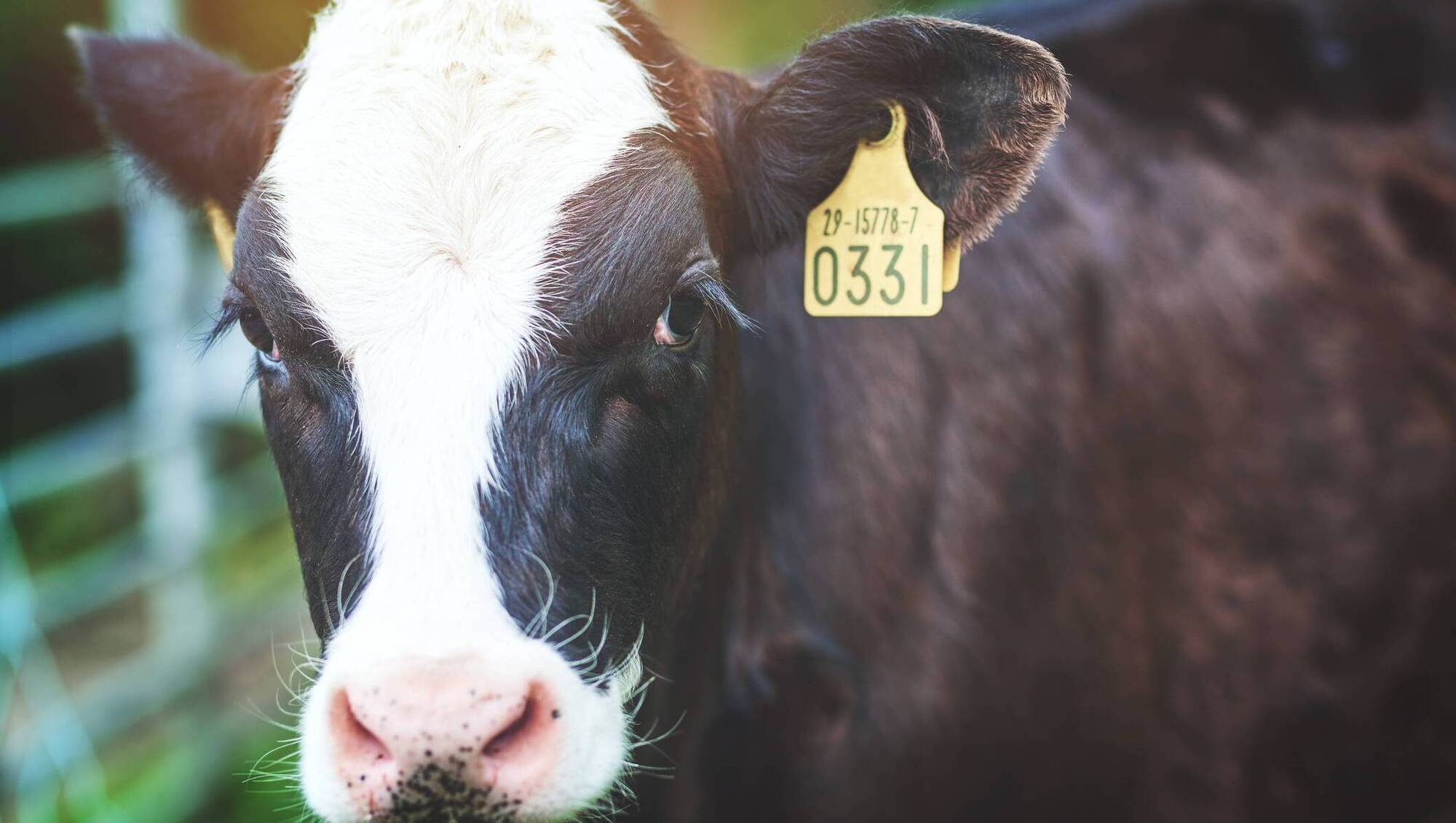
Tomás Bourke of the IFA acknowledged farmers had made enormous strides in moving towards BVD freedom, but he expressed serious concern calf compensation rates in Ireland do not adequately reflect the financial burden placed on farmers. File picture
Significant progress in reducing bovine viral diarrhoea (BVD) across Ireland is being hindered by a persistent pocket of infection in the border region, prompting a major cross-community meeting in Co Armagh to coordinate action.
Strong strides have been made in reducing the rates of BVD across the island of Ireland in recent years, yet a significant pocket of the disease continues to take hold in the border region, presenting a shared challenge that neither jurisdiction can solve alone.
A major cross-border meeting convened in Keady, Co Armagh, on Tuesday, May 26, brought together farmers, veterinarians, industry representatives and animal health bodies from both sides of the border to raise awareness of the disease and agree on how best to tackle it.
The event was jointly organised by Animal Health Ireland (AHI) and Animal Health and Welfare Northern Ireland (AHWNI).
In Ireland, BVD eradication efforts have delivered striking results. The number of persistently infected (PI) animals identified annually has fallen by more than 97% since compulsory testing was introduced.
The number of herds with BVD has fallen from more than 9,000 in 2013, to about 100 today.
Northern Ireland has recorded comparable momentum, with PI prevalence dropping sharply since the introduction of its own compulsory testing regime, and the overall herd-level incidence of BVD now among the lowest recorded since monitoring began.
Speakers at the Keady meeting included Dr Sam Strain and Dr Sharon Verner from AHWNI, and Patrick Donohoe and Dr Maria Guelbenzu from AHI. Presentations covered the epidemiology of the disease in the border zone, the critical role of biosecurity on farm, and the place of vaccination in protecting herds from incoming infection.
Biosecurity and vaccination were identified as critical elements in tackling BVD and sustaining the push towards eradication. Delegates heard even as PI prevalence continues to fall, unvaccinated herds buying in cattle from high-risk areas remain vulnerable, and robust on-farm biosecurity protocols are essential to prevent reintroduction of the virus once a herd achieves freedom.
Read More
"We have come a huge distance in a relatively short period of time, and that is a credit to farmers, vets and everyone involved in the programme on both sides of the border. But we cannot be complacent,” Dr Maria Guelbenzu, BVD programme manager with AHI said.
“BVD does not respect borders, and what happens in Armagh affects Monaghan, and vice versa. We are genuinely close to eradication now, and moments like today, where we come together across jurisdictions, are precisely what will get us over the line. If we all stand together and work collaboratively, we will finish the job."
A farmer discussion panel brought together representatives from the Irish Farmers' Association (IFA), the Ulster Farmers' Union (UFU), the Irish Cattle and Sheep Farmers' Association (ICSA) and the Northern Ireland Agricultural Producers' Association (NIAPA), producing a frank exchange on the barriers still facing producers.
Tomás Bourke of the IFA acknowledged farmers had made enormous strides in moving towards BVD freedom, but he expressed serious concern calf compensation rates in Ireland do not adequately reflect the financial burden placed on farmers required to rapidly remove PI calves from their herds.
The position in Northern Ireland is more stark, according to Dessie Fulton of the UFU, who pointed out no calf compensation scheme existed at all in the North, leaving producers there to absorb the full cost of mandatory removal without any financial backstop.
Hugh Farrell of the ICSA added his voice to the call for stronger encouragement of vaccination across the national herd, arguing given how highly contagious BVD is, voluntary uptake was insufficient and a more proactive approach from industry and Government was needed to close the remaining gaps in herd-level protection.