Irish beef hit as UK imports surge from Australia, New Zealand
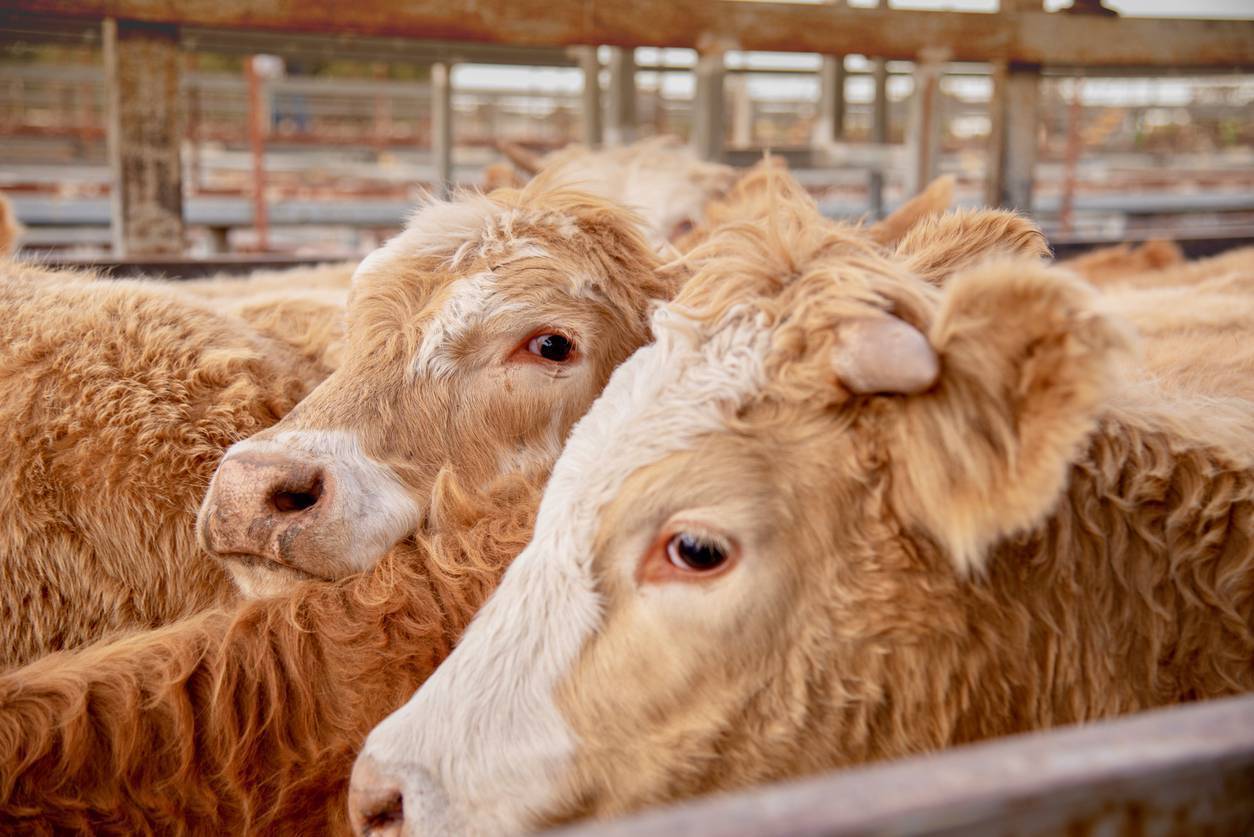
Imports of Irish beef to the UK fell by 13.4% in the first two months of this year, to 28,305 tonnes.
The UK’s imports of Irish beef in the first two months were 13.4% lower in 2026 than 2025.
And a flood of beef from Australia, New Zealand, and Brazil is the likely reason.
UK data showed total imports of beef to the UK increased 4.9% in January and February this year, compared to last year.
Also revealed were major changes in the sourcing of the 49,433 tonnes imported.
The proportion of non-EU imports doubled from 12.6% in 2025 to 28.8% (14,232 tonnes). Beef imports in January and February from Australia and New Zealand of 3,068 tonnes and 5,034 tonnes were 2.5 times and a little more than seven times the level of the same period of 2025, respectively.
Beef from Australia and New Zealand totalled 16.4% of beef imports to the UK. Brazilian beef imports also increased, by 62.3%, to 5,356 tonnes, or 8.8% of imports to the UK.
Somebody had to lose out, and it was inevitably Ireland, the main overseas supplier of beef to the UK, with imports of Irish beef falling by 13.4% in the first two months of this year, to 28,305 tonnes.
The UK takes about half of Ireland’s beef exports, and the export slump goes some way towards explaining recent beef cattle price cuts in Ireland.
The UK signed free trade agreements with Australia in 2021 and with New Zealand in 2022.
These trade agreements now play a role in Irish beef fatteners suffering major financial losses this year, rather than the even more feared EU-Mercosur Interim Trade Agreement which entered into provisional application on May 1.
The beef from down under on the other side of the world has been welcomed by cash-strapped UK consumers. It was only 13.8% of UK beef imports in January, quickly climbing to 16.4% after February.
And it may only be softening up the Irish beef industry, ahead of a Mercosur knockout blow.
The EU’s beef, poultry, sugar and rice farmers fear the worst, after 26 years of warnings from their leaders.
Irish beef farmers in particular, dependent on exporting 90% of the country’s beef, mostly to one market, the UK, fear that the Mercosur trade deal will eventually cost them €75-95 per head of cattle, as predicted by Meat Industry Ireland analysts last year.
It’s a fear reinforced by the evidence of how extra beef from Australia and New Zealand has already weakened prices in Ireland.
Irish dairy farmers already know that a small increase in the world supply of milk knocked them back from milk prices in the 50s to the 30s. A similar fate may await Irish beef farmers.
The EU says 99,000 tonnes per year of South American beef (building up over the next five years, 55% chilled and 45% frozen, with a tariff of only 7.5%)) will add only 1.5% to the EU supply. But that’s not reassuring for Irish exporters and farmers, more vulnerable because they depend more on the UK market than the EU market.
They’ll be wondering how long they can retain their share of beef imports to the UK, which was a dominant share of more than 70% five years ago.
The much lower farming costs in the southern hemisphere allow exporters there to land beef in the UK at a competitive price, and UK consumers can’t be blamed for choosing cheaper options.
In the 12 weeks to March 22, they spent 8.8% more on beef, compared with the same period last year. But because of runaway EU and UK costs and prices, the average UK beef retail price increased by 16.4% in the past year, and consumers got 6.5% less beef for their increased spend. Cheaper beef from the southern hemisphere is a godsend for them.