EU plans zero-tolerance rule on feed imports
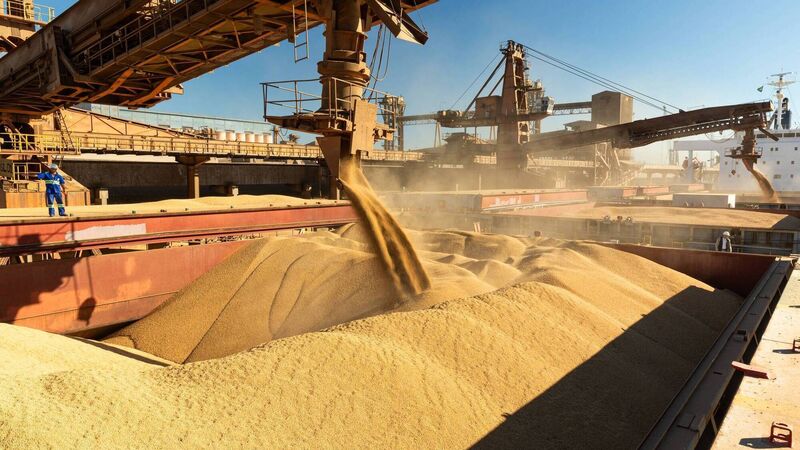
Any disruption of feed ingredients could be keenly felt in Ireland, which is only about 36% self-sufficient in animal feed, and relies on imports mostly coming from North and South America.
The more than 50 million tons of animal feed ingredients imported annually into the EU must come from crops on which only plant protection products approved for use in the EU are used, if the European Commission's new package of food and feed safety rules is implemented as proposed.
At least, that is the interpretation of the US's Department of Agriculture, The proposals have given rise to significant concerns in the US grain and oilseeds industry, and in other major EU trading partners, including countries with which the EU recently signed free trade agreements.
The US Department of Agriculture said the proposed regulations would effectively bring zero-tolerance of residues of any plant protection products not approved for use in the EU in American exports of soybeans, maize, tree nuts, and other products that make up over $5.4bn in annual exports to the EU.
The department added the proposals did not include adequate transition timelines for US exporters to comply with the effective zero-tolerance of residues.
CropLife Europe, which promotes sustainable crop protection, said the EU proposals risk excluding safe food from the EU market, and disrupting trade flows the EU food system relies on, including key imports like coffee, spices, cocoa, canola, soy and offseason produce. This would raise costs for operators and ultimately for consumers, and disproportionately harm exporters in developing countries.
CropLife Europe said changing residue limits would not solve the real competitiveness gap and level the playing field for EU farmers, because it is the more limited access to crop protection tools than many of their global competitors which makes EU farmers less competitive.
The European Parliament and the Council of the European Union, as co-legislators, will now assess the commission’s proposals.
Also awaited is an impact assessment of hazardous pesticides entering the EU through imported products.
There will also be an assessment of potential impacts on trade flows for the EU, the competitiveness of European producers, and the potential impact on consumers. Preliminary impact assessment results are expected in the summer.
Meanwhile, the US Department of Agriculture has said the EU proposals do not appear to be consistent with World Trade Organisation sanitary and phytosanitary agreements.
The proposals are in the EU's Food and Feed Safety Simplification package, which also contains a host of other proposals on pesticides and bio-pesticides, biocidal products, feed additives, and record-keeping rules for livestock farmers.
Finalisation of the proposed draft legislation is expected to continue until late 2026.
Any resulting disruption of feed ingredients could be keenly felt in Ireland, which is only about 36% self-sufficient in animal feed, and relies on imports mostly coming from North and South America.