Fertiliser supply risks mount as EU import rules face scrutiny
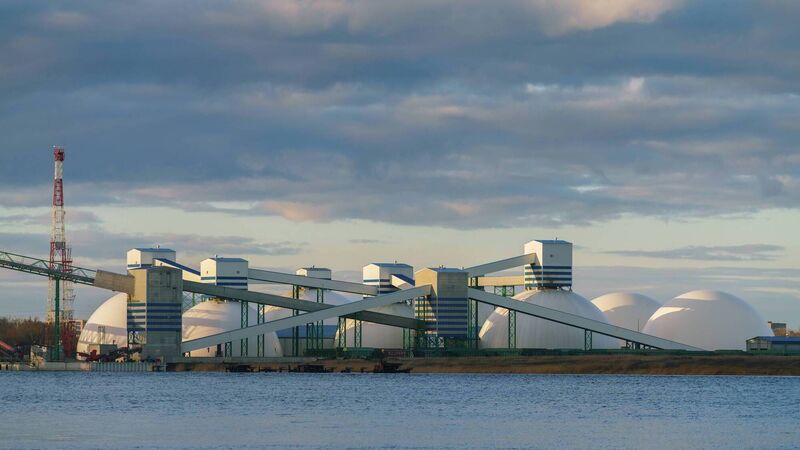
Fertiliser prices have risen significantly since 2020, and now account for 15-30% of arable production costs, even as cereal prices fall back to 2020 levels.
The EU Commission has been warned of a fertiliser shortage in parts of Europe.
“In many regions, stock levels and domestic production fall short of meeting the demand for the next harvest,” said Austria’s agriculture minister, Norbert Totschnig, at a recent agriculture and fisheries ministers’ council meeting.
He said price uncertainty had reduced fertiliser imports, blaming EU delays in agreeing how the Carbon Border Adjustment Mechanism (CBAM) operates.
In force since January 1, CBAM imposes a carbon levy on imports to put them on a level footing with products manufactured in Europe, where factories pay for carbon emissions.
CBAM has angered EU trading partners worldwide, who say it penalises their economies and imposes EU standards on developing nations without the means to meet them. It applies to imports of steel, cement, aluminium, electricity, hydrogen and fertilisers.
Mr Totschnig said CBAM would add a fertiliser price increase of 10–15% for urea. However, carbon pricing analysts say CBAM would add less than 1% to the import price of ammonia for nitrogen fertiliser manufacture.
Austrian officials warned existing and potential CBAM-related disruptions to import flows jeopardise fertiliser supply security, risk regional bottlenecks, and could lead to subsequent crop yield losses.
“This is particularly critical as the EU is highly dependent on imports,” said Mr Totschnig. Import dependency stands at 30% for nitrogen fertiliser, 68% for phosphate, and 85% for potash.
The Austrian delegation warned fertiliser shortages could add to already severe economic pressure on EU arable farmers, threatening their economic viability. Many are already hit by low prices and sharply increased production costs, leaving farms unable to cover costs.
Fertiliser prices have risen significantly since 2020, and now account for 15-30% of arable production costs, even as cereal prices fall back to 2020 levels.
Mr Totschnig told the commission additional burdens for farmers arise from other EU fertiliser taxes introduced without any mitigating measures. As a result, nitrogen fertiliser prices are up 10–20% compared to 2024, despite relatively stable natural gas prices, the key cost driver in fertiliser manufacture.
Austria urged the commission to temporarily suspend CBAM for fertilisers until key issues are resolved. These include basing CBAM charges on quarterly average prices, which Austria said created significant and unpredictable risks for importers and threatens fertiliser supply.
The Austrian delegation said CBAM protects the EU fertiliser industry, but additional costs are passed directly on to farmers. At the same time, European farmers remain unprotected against cheap cereal imports from third countries produced without comparable standards.
“Agriculture must not bear the cost disadvantage of CBAM alone,” the delegation said.
Austria called on the commission to secure fertiliser supply, enhance market transparency, ensure fair competition, and carry out a mandatory assessment of CBAM’s overall impact on agriculture.
Austria also wants a temporary suspension of most-favoured-nation tariffs and specific anti-dumping duties on fertilisers, saying both have caused unintended fertiliser price increases for farmers.
Bulgaria, Croatia, Estonia, France, Greece, Hungary, Latvia, Luxembourg, Portugal and Romania backed Austria’s call for the temporary exclusion of fertilisers from CBAM.
However, they are opposed by several member states, EU fertiliser manufacturers and environment-focused MEPs.
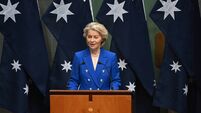
Agriculture commissioner Christophe Hansen said the EU had already proposed measures to reduce the impact of CBAM on fertiliser prices, including a temporary suspension of remaining most-favoured-nation tariffs on ammonia, urea and, where necessary, other fertilisers. Safeguards would be put in place to ensure any benefits were passed on to farmers.
He said these measures would approximately cancel out fertiliser costs arising from CBAM. However, it could take many months for the proposals to be agreed by member states and the European Parliament.
Poland, Germany, Belgium, Finland, Sweden and the Netherlands oppose any changes to CBAM, arguing it is needed to protect European producers from cheaper, less environmentally regulated imports.