Reducing metabolic risk in transition cows
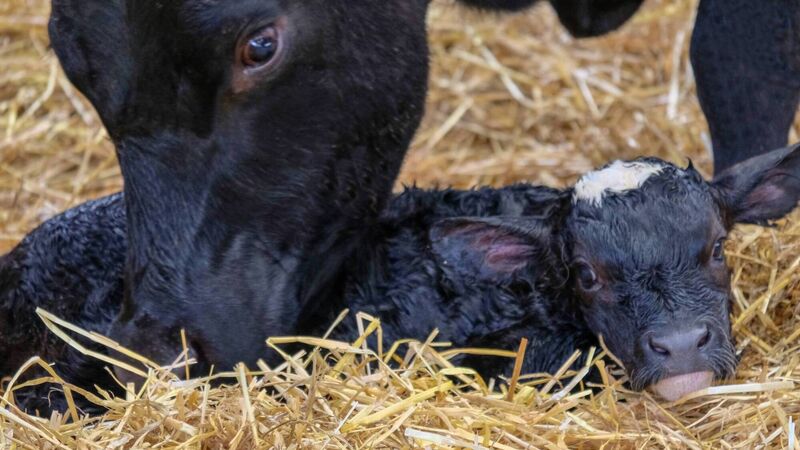
Calcium supplementation in freshly calved cows provides significant benefits during the critical postpartum period.
As the year starts, many spring-calving herds are beginning to turn their focus towards calving. Managing freshly calved dairy cows is a critical aspect of dairy farming, directly influencing the health of both the cow and her calf, as well as the overall productivity of the herd.
This period, often referred to as the transition period, requires close attention to nutrition, health, and overall management practices. The cornerstone of managing fresh cows correctly is increasing dry matter intake so cows can meet their energy demands post-calving.
For cows, the transition period runs from three weeks pre-calving through to six weeks post-calving. It is the time in a cow’s life when she experiences the greatest stress on her system. Most metabolic issues occur during this period, and it is when the cow is effectively set up for the next 300 or so days of milk production.
Most problems arise due to reduced dry matter intake. Over the final three weeks of pregnancy, dry matter intake can decline by 20–30%, or 7–9kg of dry matter per day. This reduction has a direct impact on nutrient uptake and makes it difficult for the cow to maintain bodyweight. During this period, the calf’s demand on the cow increases rapidly, particularly for glucose.
Dry cows are typically fed high-fibre diets, such as grass silage and straw, in the final weeks of pregnancy. While these feeds are essential for rumen fill and function, diets must be carefully designed to ensure adequate starches and sugars are available to drive glucose production in the liver and meet energy requirements.
Getting mineral supplementation right during the transition period is crucial to avoiding metabolic disease. The cow’s immune system is at its lowest at this time due to major hormonal changes. When combined with infections of the udder or uterus, this places further strain on immunity.
Minerals are classified as macro and micro minerals, and one of the major nutritional challenges in grass-based systems is the high potassium content of grass silage. Elevated potassium disrupts mineral balance by interfering with the utilisation of other essential minerals, increasing the risk of metabolic disorders such as milk fever immediately post-calving. This antagonistic effect makes effective mineral nutrition particularly important during the transition period.
Levels of selenium, zinc, and copper may be insufficient in certain Irish forages, making supplementation necessary in some systems. Organic trace minerals, such as Bioplex organic minerals, are one option available to support trace mineral nutrition.
Immediately after calving, cows should be monitored closely for signs of distress or complications, such as retained placenta, milk fever, or uterine prolapse. Early intervention is key to preventing long-term health issues.
After calving, a cow’s energy requirements increase rapidly. At the same time, the stress of calving reduces feed intake, limiting energy consumption and pushing the cow into negative energy balance. To minimise this deficit, aim for a high energy density diet during the first two to three weeks post-calving.
While cows remain indoors, it is important to identify the best quality feeds available on the farm. Maize silage, whole crop, or beet are ideal ingredients in early lactation diets to boost total dry matter intake and increase energy intake. The higher the intake achieved on a full indoor diet, the more cows will consume when they eventually move to grass, once weather and ground conditions allow.
Proper nutrition during the fresh period, defined as the first three-four weeks post-calving, is critical for recovery and the successful start of lactation. Diets should be balanced for protein, fibre, and minerals. Calcium levels are particularly important to prevent hypocalcaemia, commonly known as milk fever.
Freshly calved cows are at higher risk of health complications, making regular monitoring essential. Common post-calving issues include:
- Milk fever: Symptoms include weakness, inability to stand, and cold ears. Preventive strategies include calcium supplementation'
- Ketosis: Monitor for reduced appetite and low energy levels;
- Displaced abomasum: Watch for reduced feed intake and signs of bloating. Proper nutrition and feeding management reduce the risk of this condition.
Calcium supplementation in freshly calved cows provides significant benefits during the critical postpartum period. It supports metabolic health, reduces the risk of disorders, and improves overall productivity.
Fresh cows experience a sharp drop in blood calcium levels due to the sudden demand for milk production. Supplementation helps restore calcium levels, reducing the risk of both clinical and subclinical hypocalcaemia. Clinical cases can result in muscle weakness, inability to stand, and an increased risk of secondary infections. Ensuring adequate calcium supply post-calving significantly reduces the likelihood of these issues.
Adequate calcium is also essential for proper immune function. Cows with sufficient calcium are better able to fight infections such as mastitis and metritis.
Calcium supports teat-end closure after milking, reducing the risk of high SCC and mastitis, and is critical for milk synthesis and secretion. Ensuring adequate calcium intake supports early lactation performance and helps cows reach their peak milk production potential.
There are several methods of calcium supplementation. Oral calcium boluses provide a rapid increase in calcium levels but can be awkward to administer.
These are typically given immediately after calving and repeated 12–24 hours later. Feeding limestone flour through a TMR is a cost-effective and simple method of supplying calcium. It is important to check parlour nut feed rates, as where cows are not being buffer-fed, this may be the primary means of calcium supplementation.
To sum it all up, providing additional calcium to fresh cows helps maintain health and productivity. It reduces the risk of low calcium disorders, supports normal metabolic and immune function, and improves milk production.
Adequate calcium nutrition also lowers disease risk and supports improved fertility performance. Supplying calcium early post-calving leads to healthier cows and improved profitability for the dairy farm.
- Thomas O'Sullivan is an InTouch feeding specialist at Alltech Ireland