AHI urges farmers to act fast on BVD this spring
There were about 200 herds with BVD in the country in 2025.
With the busy spring calving period beginning, Animal Health Ireland (AHI) has asked farmers to act fast when it comes to BVD tagging.
AHI is urging farmers and the wider agri-industry to work together to “finish the job” on bovine viral diarrhoea (BVD) eradication.
AHI said Ireland was now closer than ever to achieving BVD freedom, and key to this major milestone is acting quickly to identify and remove remaining positive animals.
AHI commends the farmer-led action and commitment to the progress made in the eradication of the virus. It revealed the number of infected breeding herds had fallen dramatically from a peak of more than 11% to about 200 herds nationally during 2025.
However, AHI warns speed is now of the essence if Ireland is to move decisively towards BVD freedom.
AHI BVD programme manager, Dr Maria Guelbenzu, said: “Farmers have played a huge role in getting us to this point, and we are very close now. This is a testament to collective effort, responsibility and persistence across the sector.”
“One big push this year, starting at the peak spring calving season, can bring us extremely close to BVD freedom. Every calf tested quickly, and every positive animal removed promptly, makes a real difference. This is about protecting the progress that has been made and finishing what we started,” Dr Guelbenzu said.
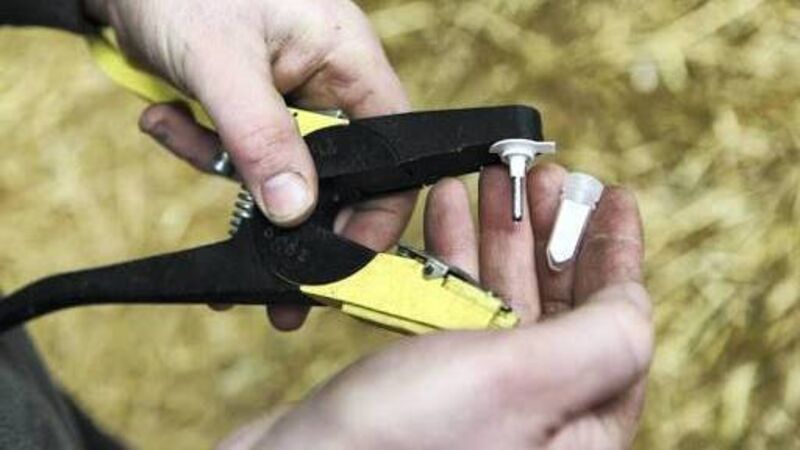
AHI is strongly encouraging farmers to act without delay by following four simple but vital steps:
- Tag calves promptly at birth;
- Bag the tissue sample correctly;
- Send it for testing as soon as possible;
- And remove any virus-positive calves immediately.
“Farmers have played such a leadership role in getting us this far, now it’s time to give BVD one last big push. Early action not only protects individual herds but also reduces the risk of onward spread, safeguarding neighbours and the wider cattle population.”
“Tag. Bag. Test. Remove. Let’s finish the job, together,” she added.