Herd Tasks: Your weekly farming checklist
Your weekly reminder of the things that should be at the top of your farm to-do list. Published every Monday on the Irish Examiner digital Farming hub
Herd Tasks: Your weekly farming checklist

Now is the time to get bulls ready for the breeding season. If you are in doubt, get them fertility tested, advises Brian Reidy.


Monday, February 2 - Sunday, February 8

All stock

  • Get your spring grazing plan in place before turnout. What percentage of ground can you afford to graze per day? This will be determined by your stocking rate and available grass. Do you intend to graze your silage ground?
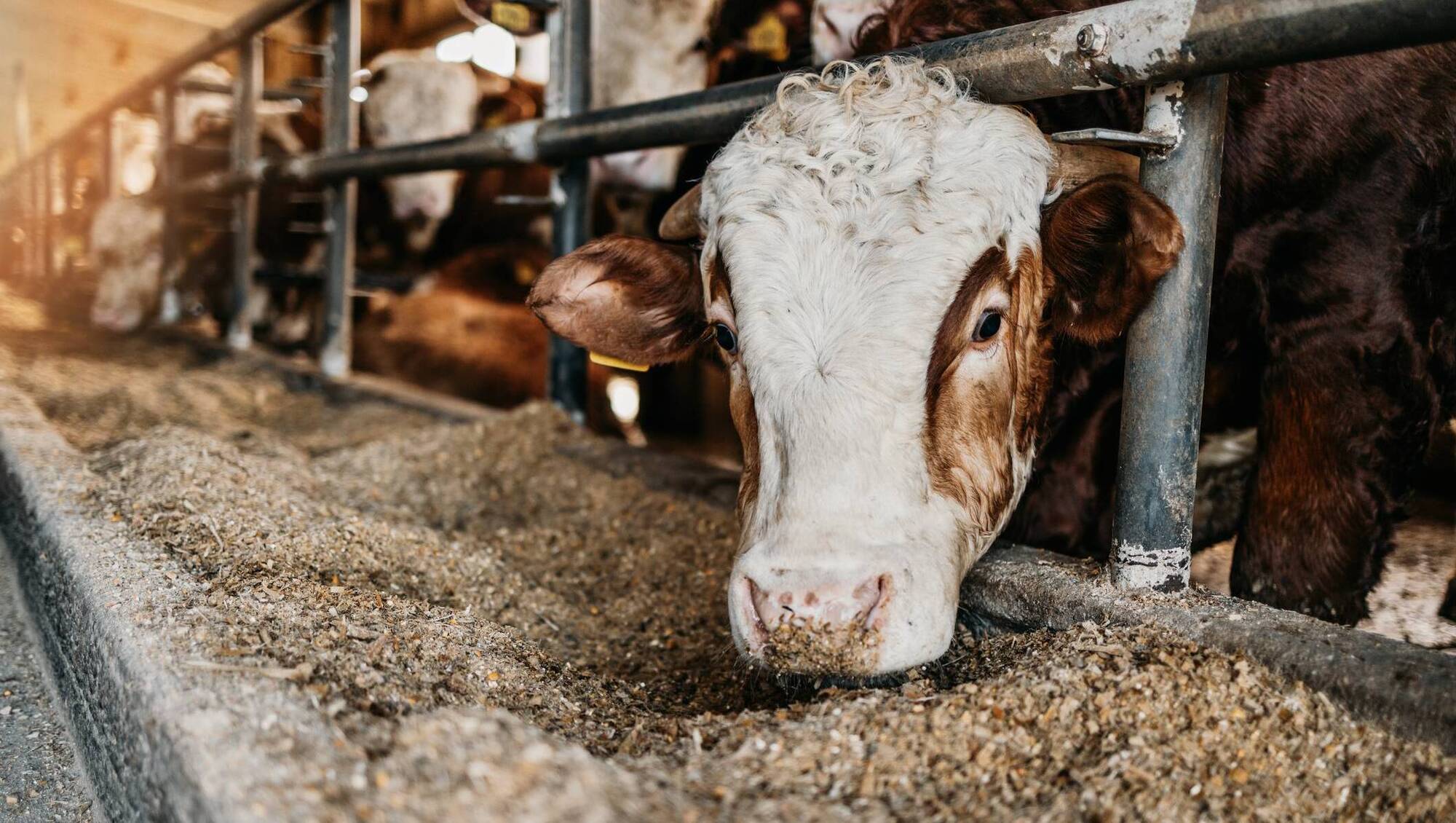
  • Bulls — get them ready for the breeding season. If you are in doubt, get them fertility tested. Some bulls are sub-fertile but still get the odd cow in calf. Overfeeding bulls before the breeding season can also be detrimental to performance, as they can lose a lot of condition once put to work. Keep an eye on bulls’ legs and feet too. Lame bulls are of little use during the breeding season.
  • Slurry spreading progress is very slow due to the volume of rain that has fallen in recent weeks. When you do get an opportunity to travel on ground, take care not to spread heavy volumes on advanced grass swards, as this will result in low utilisation at grazing.
  • A fertiliser application plan needs to be put in place once weather conditions improve. Do you have up-to-date soil sample results to guide the correct fertiliser programme for your farm?

Dairy

  • Continue to feed dry cows a targeted diet to prepare them correctly for lactation. Feed a small amount of concentrate to dry cows to prepare rumen microbes for the upcoming lactation. Low protein in a dry cow diet will adversely affect both the quality and quantity of beastings.
  • Many herds with low-protein silages are struggling with beastings quality and volume. Some soya will help address this.
  • If calves are weak after birth, review the dry cow diet immediately. Assess silage quality, mineral supplementation, and concentrate levels. A high-quality dry cow mineral is essential right up to calving.
  • The same review should be carried out if a proportion of cows are holding cleanings or experiencing milk fever.

Sucklers 

  • Don’t forget the magnesium bucket for cows and calves when they go to grass. One bucket per 20 cows is a good rule of thumb.
  • If turning cows and calves out to grass, continue to monitor calves suckling.
  • Continue to feed dry cows according to body condition and calving date.
  • Get calves off to the best possible start with an adequate supply of colostrum.
  • Lazy drinkers should be stomach-tubed if necessary within the first two hours, where possible.

Young stock 

  • Monitor calves and weanlings for chills, as variable weather conditions are currently causing health issues in many herds.

Compiled by Brian Reidy, an independent ruminant nutritionist at Premier Farm Nutrition

x

More in this section

Farming

Newsletter

Keep up-to-date with all the latest developments in Farming with our weekly newsletter.

Cookie Policy Privacy Policy Brand Safety FAQ Help Contact Us Terms and Conditions

© Examiner Echo Group Limited