Wide variation among vets' decisions on calving management revealed
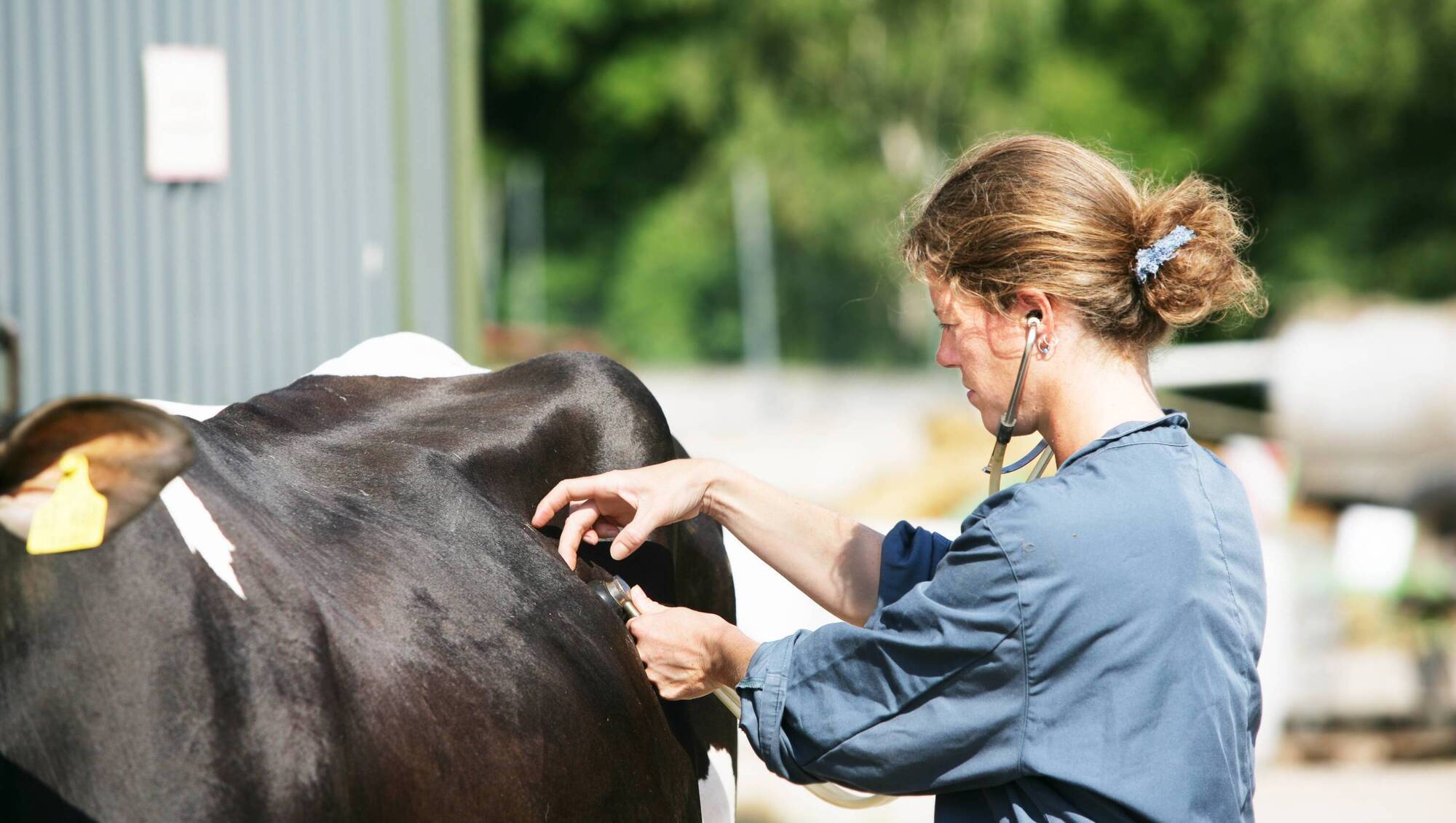
Survey results show a wide variation in Irish vets' recommended assistance times for heifers and cows.
Results of a survey of 64 Irish vets show they are up-to-date with current recommended best practices in calving management.
However, wide variation among vets' decisions was revealed. This was not a surprise finding, because vets often work in relative isolation, which can lead to a drift away from current recommended best practice, especially if vets don't keep abreast of the latest developments in clinical knowledge, attitudes and practices.
To investigate such barriers to best veterinary practice, a consortium in 11 European countries was co-ordinated by the University of Lisboa, Portugal, to survey vets.
The survey results, reported at the Teagasc Moorepark '25 event last July, included wide variation in Irish vets' recommended assistance times for heifers and cows.
This may reflect the wide variation encountered by vets in individual calving circumstances and personal experience. When asked how long they would recommend farmers to wait before assisting cows, after both foetal hooves were visible, most Irish vets recommended 60 minutes (34.4%) or 30 minutes (34.4%), with the remainder recommending 120 minutes (14.1%), 15 minutes (12.5%), or another time period (4.7%).
With heifers, most vets (40.6%) recommended assisting heifers at 60 minutes after both foetal hooves were visible. The remainder recommended after 30 minutes (31.3%), 120 minutes (21.9%), 15 minutes (3.1%), or another time period (3.1%).
These vary from the "official" general recommendations (but it is a case-specific decision), that neither heifers nor cows should spend more than 120 minutes in stage two of calving (two feet, two hours, is the rule of thumb), and earlier assistance be given (after about 60 minutes) if there is no progress.
The majority of Irish vets in the survey recommended moving cows to the calving unit more than six hours before calving (68.8%), with the remainder recommending in stage one (23.4%), or in stage two of calving (7.8%).
There is a sensitive period at the end of stage one (tail up and mucus visible at vulva) when it is not recommended to move cows, as this can prolong stage two (calf expulsion).
The vast majority of vets (92.2%) used a calving jack, only 1.6% used a calving pulley. In the absence of mechanical calving aids, the majority of vets would use a maximum of two people to pull the calf (84.6%).
It is generally recommended that not more than two people should pull a calf out, and while calving jacks are widely used currently, their future routine use may be under consideration. In Ireland, the Farm Animal Welfare Advisory Council says "routine use of calving jacks is not recommended".
When asked what criteria decide performing a Caesarean section, most Irish vets used foetal oversize (98.4%), inability to correct dystocia and delivery per vaginum (93.8%), or uterine torsion (51.6%).
A minority of vets used lack of progress after 15 minutes of calving assistance (48.4%), lack of progress after 30 minutes of calving assistance (17.2%), or other deciders (such as deformed foetus or embryo transfer foetus).
The "official" recommendation is whether or not to perform a Caesarean section is very much a case-specific decision.
Of those vets (93.8%) who administered non-steroidal anti-inflammatory (NSAID) drugs to cows at difficult calvings, the vast majority (91.7%) used these painkillers after calving, with the remainder using them before (6.6%), or during difficult calvings (1.6%).
The 64 vets in the survey had client herds mostly (64.1%) of 100 cows or fewer, 48.4% dairy and 29.7% suckler, but 21.9% had a similar proportion of dairy and suckler herds among their clients.
The survey results were presented at Moorepark '25 by John Mee of Teagasc, Hazell Mullins of Veterinary Ireland, and Goncalo Pereira of the University of Lisboa, Portugal.
They said the high uptake of NSAID usage was encouraging, but milk and meat withdrawal periods need to be observed.
They said mandatory continuing professional development, and participation in professional WhatsApp groups, can mitigate risks of vets drifting away from current recommended best practice.
They said NSAIDs are now increasingly recommended after difficult calvings to assist cow recovery and improve welfare.