Groundbreaking ammonia sensor developed at UCC
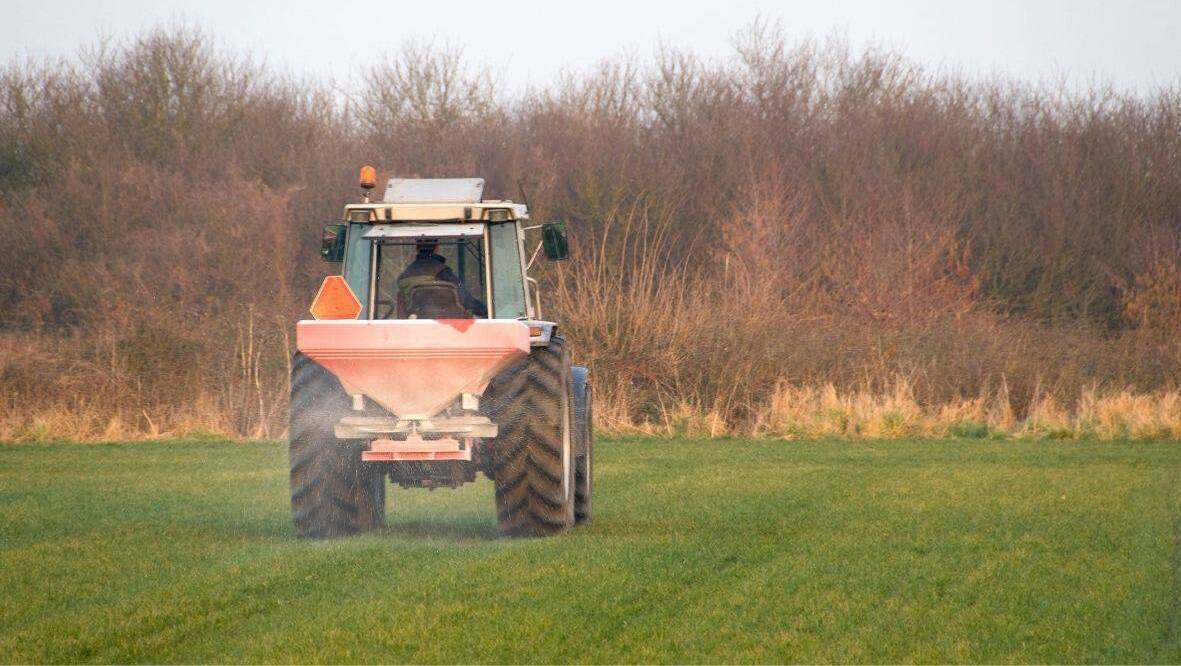
Ammonia is a major component in fertiliser for Irish agriculture.
Farmers may benefit from a newly-developed ammonia sensor as it improves real-time detection.
Researchers at University College Cork (UCC) have developed the sensor to help advance real-time detection of ammonia pollution. The development of the sensor was the result of the EU-funded RADICAL project led by UCC.

The technology hopes to transform environmental monitoring as we know it, removing the cost barriers to farmers and supporting the enhancement of sustainable farming practices.
Efficient detection of ammonia is essential for reducing air and water pollution, safeguarding human health, promoting sustainable agriculture, and shaping climate and environmental policies.
The researchers at UCC have developed the sensor out of silicon nanowire, promising a less bulky and more practical alternative to the spectroscopic sensors currently used to measure ammonia levels.
The new sensor is said to be sensitive and precise while also consuming minimal power, and can operate at room temperature, allowing for real-time air quality monitoring.
The sensor is designed to be compatible with existing technologies and is cost-effective and simple to produce.
Initially designed to detect free radicals in the air, the team realised after meeting with several air quality companies that sensors for gases such as nitrogen dioxide from traffic fumes and ammonia from industry and agriculture were high on the priority list.
The new technology can quickly and reliably detect ammonia, even in small amounts, and provide a portable solution for use in diverse environments.
Vaishali Vardhan, lead author of the paper, said: “This new sensor is a powerful tool for both air quality monitoring and research.
"It is low in cost, small, and suitable for large-scale deployment.
"The integration of UV light further boosts its sensitivity, enabling efficient detection of ammonia at low concentrations.”
With ammonia playing a major role in Irish agriculture, and also sourced from vehicle emissions, it has become a growing concern.
Once in the atmosphere, ammonia reacts with acidic gases to form particulate matter (PM2.5), which is harmful to human health and can lead to respiratory and cardiovascular diseases. Direct exposure can irritate the skin, eyes, and lungs.
Excess ammonia in an environment causes water pollution, leading to algal blooms and eutrophication, which harm aquatic life. It also impacts air quality and climate.
RADICAL project coordinator, Professor Justin Holmes, commented: “This pioneering technology is set to revolutionise environmental monitoring in the agricultural sector. It will allow farmers to make more informed decisions, benefiting both their businesses and the environment as a whole.”