Uterine Prolapse - the "quiet" Sunday morning on call
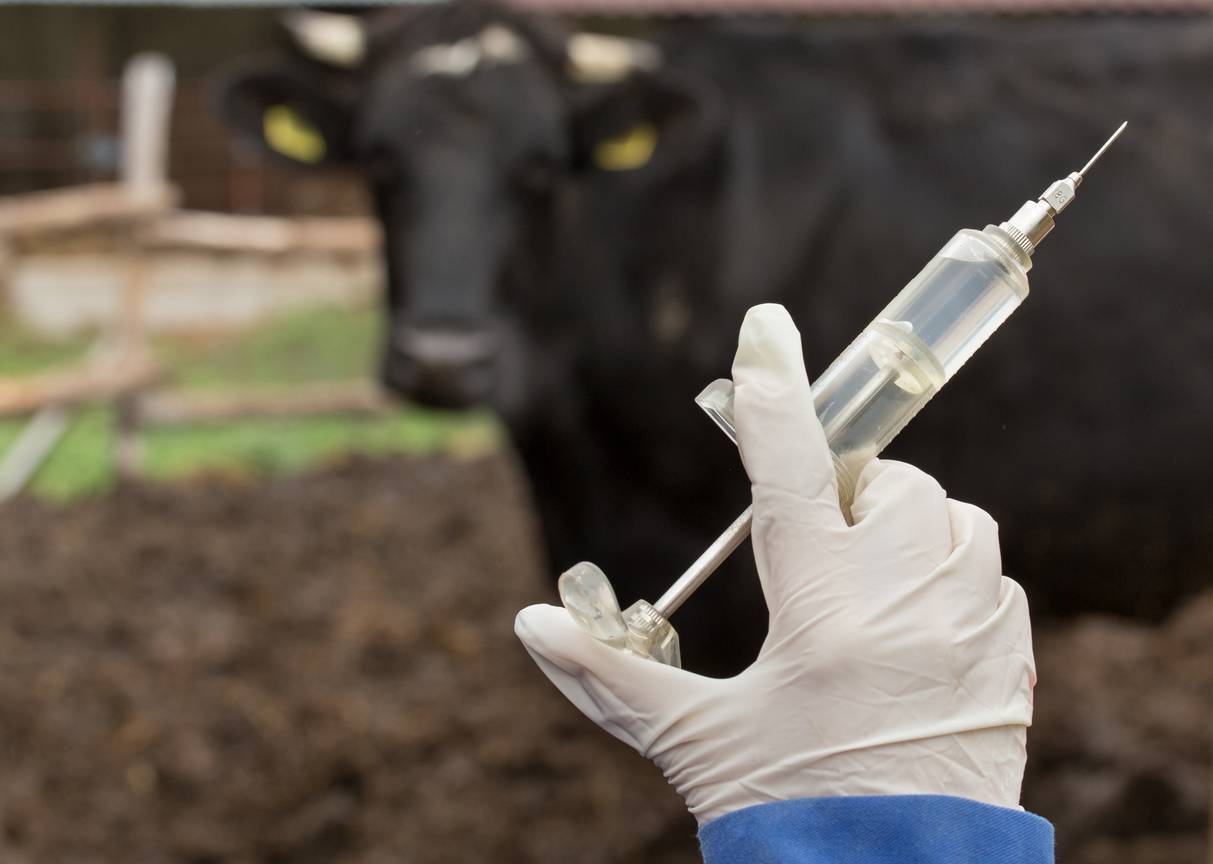
A call to a uterine prolapse is, as Forest Gump describes, “like a box of chocolates, you never know what you are going to get - they can take anywhere from 15 minutes to replace to my record of over two hours, writes farm vet Hazell Mullins.

The most dreaded word to mention just as you embark on a weekend on call is no doubt the “Q” word (Quiet) as it will nearly always mean a curve ball call is en route to you. It is hilarious to see vets running to find the nearest piece of wood to counteract the curse of the “Q “word.
This weekend, I was locuming in the beautiful town of Nenagh in Co Tipperary; I had perhaps thought that I would have a little spare time to go browse the wonderful boutiques of the town and even perhaps visit beautiful Lough Derg; however, my Sunday on-call took a different direction.
One of my more challenging calls was to a suckler heifer with a prolapsed uterus after calving earlier that morning.
A call to a uterine prolapse is, as Forest Gump describes, “like a box of chocolates, you never know what you are going to get - they can take anywhere from 15 minutes to replace to my record of over two hours.
This particular case was to a heifer who was unable to get up after calving a particularly large calf three hours previously. When I arrived, I realised that she had mild nerve damage from the calving which prevented her from standing; it was time to sedate her a little and get her into a "frog leg” position to be able to replace the uterus.
We tied ropes around each back leg, and with a little gentle persuasion, we managed to place both hind legs behind her, which is where the saying “frog leg“ originates. Extra help is always a bonus to have for these calls as getting the animal into the desired position can be challenging, to say the least. The epidural is the next critical step in the procedure and the frog leg position allows the local to diffuse evenly in the spine to numb the area and also reduce her ability to force against me.
The farmer had a few buckets of warm clean water and clean towels to place under the prolapse. If possible, it is a good idea to keep placing the towels under the prolapse while waiting for the vet to reduce contamination with straw, which can be very tedious to remove before replacement.
It is important to minimise the stress levels of the animal before the vet's arrival to prevent damage to the exposed uterus or to the major blood vessels inside the cow that are attached to the uterus. If the cow is standing it is important that they are confined and can’t run whilst the uterus is prolapsed, this can prove difficult if the cow is outdoors in an open field, speaking from experience. If possible it's best to move the cow to a safer place for handling before the vet’s arrival.
I don’t take it personally but sometimes cows are not pleased to see us, prolapse or no prolapse they can be seen heading for the hills.
Sunday morning’s call went reasonably well, with it taking just under an hour to replace, considering the heifer was not the most accommodating when it came to positioning. It is not a glamorous affair in any way and the blood freckles were the lasting evidence of my endeavours.
Once replaced, it is so important to make the cow comfortable as removing the pain stimulus is key to preventing a reoccurrence. A combination of non-steroidal, epidural and mild sedation all aided in her medical pain relief. It is important to keep the cow distracted from forcing by encouraging eating and bonding with her calf if possible. Calcium can be an aid to help smooth muscle function and tone.
Prolapses are somewhat preventable by having the correct body condition pre-calving (BCS 3-3.25), sub-clinical milk fever controlled pre-calving with mineral supplementation, appropriate bull selection and correct calving dates. Prevention aims to reduce labour time and encourage easy calving to reduce forcing, which can lead to the prolapsed uterus.
If a cow has a difficult calving, it is important to monitor the cow for the hours post-calving, especially if forcing continues post-calving. Calving cameras have revolutionised how we monitor cows pre and post-calving, don't know how we managed on the farm without them now.
Call your vet to discuss pain relief if you are concerned about difficult calving and the risk of prolapsing. Uterine Prolapses are a true emergency and a vet is required as soon as possible.
Prognosis varies between cases, unfortunately, they can be fatal due to blood loss and secondary infections, some will experience infertility in the next breeding season and some cows will make a full recovery. There is a risk of cows re-occurring in the following pregnancy so all of these risks need to be discussed with your vet.
Next Sunday morning, I will be gaining the normal type of freckles on a beach near the city of Pisa in beautiful Italy. A little break away before the last of the sun disappears. Ciao for now.
- Hazell Mullins BVM BVS, is a large animal vet based in Carrignavar, Co Cork.