Brian Reidy: 2024 silage quality — poor feed value is all too common
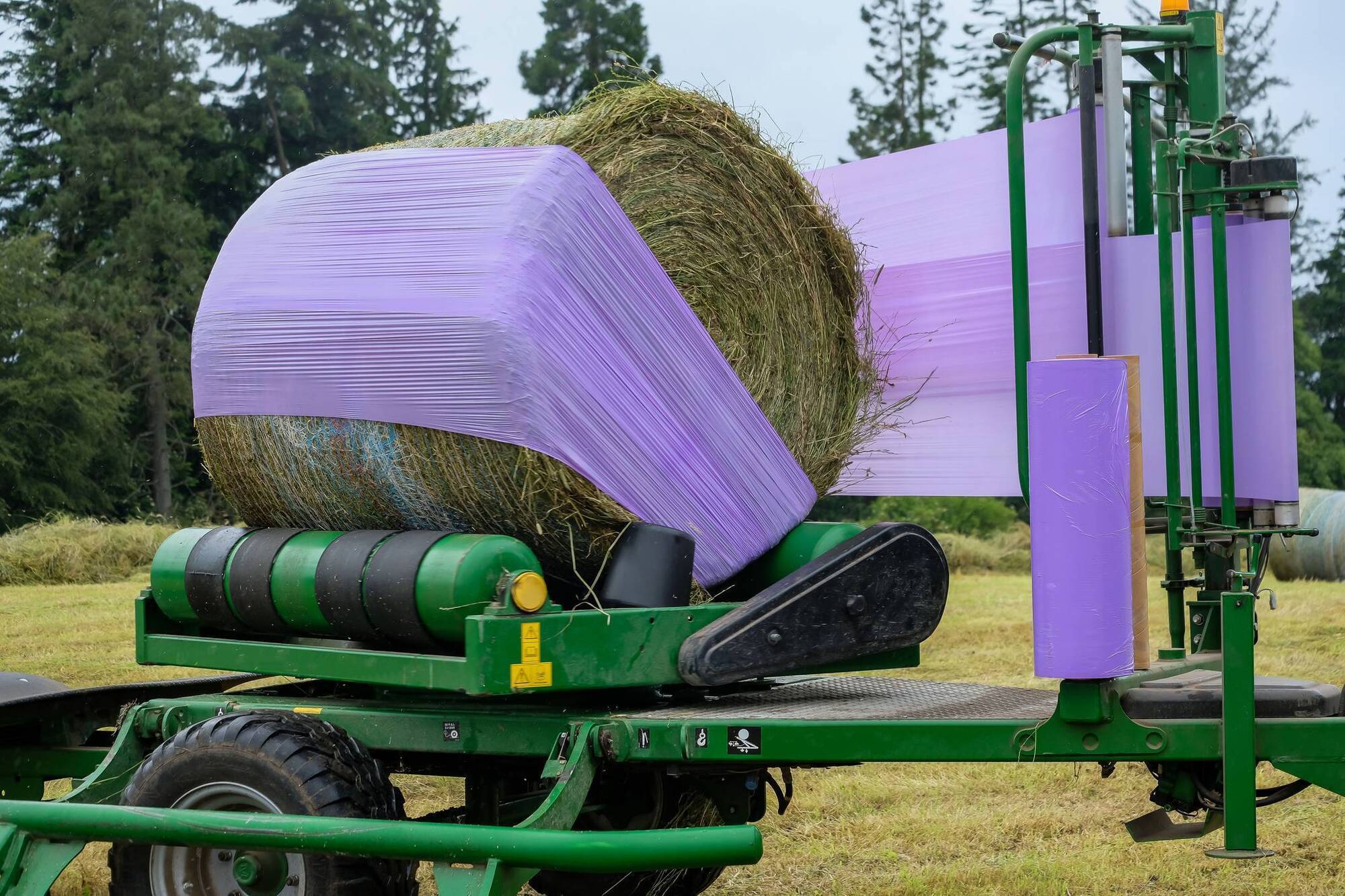
Silage quality varies significantly, with many being extremely disappointed and surprised with the results for their first cut.
This autumn is proving to be yet another difficult spell for beef and dairy producers.
Grass growth continues to be very low across the country. Some areas have had rain, while others have had almost none. Either way, the breeze, along with many other factors, seems to be totally depressing growth and it has been almost impossible for any herds to bank grass for the autumn.

Getting average farm cover of over 900 without very significant supplementation with concentrates and forage cannot be achieved, even on moderately stocked farms. The problem for many is that they realise feeding silage to stretch and build grass is rapidly depleting supplies for the coming winter.
What do you do, save silage now and run out of grass quickly, while animal performance suffers or maintain performance while looking at options to feed stock for the winter through sourcing/purchasing more feeding?
As I mentioned already, a lot of herds are feeding a lot of silage to maintain dry matter intakes, particularly in dairy herds. I have quite a few first cut silages made this year already tested. It is very unusual to have so many silages tested at this stage of the year, but unfortunately, a lot of it is being fed at present, due to the poor growth.
As usual, silage quality varies significantly, with many being extremely disappointed and surprised with the results of their first cut. As is so often the case, the feed value of this year’s silage has been significantly influenced by the weather we got since last autumn.
In many cases, silage made in May of this year did not get any slurry of fertiliser or it was applied very late in the spring when it was possible to travel fields. Much of this silage had been in the fields since last autumn when a third or fourth cut was impossible to cut.
Unfortunately, early cut silage this year is not a guarantee of quality, and I have seen some with below 60 DMD, while many are very dry and unstable in the pit, with heating and moulding a common occurrence.
First cuts over 70 DMD are scarce, and this must be accounted for when planning feed strategies for the coming winter. In fact, any second cuts I have tested are better than first cuts as they were made from fresher, actively growing swards, in general.
I would really encourage beef and dairy producers to get silage tested early this year. Test all pits and batches of bales and allocate accordingly, with priority given to quality cuts being fed to the most productive stock.
What figures do you need to pay most attention to?
DMD is generally the first figure quoted in any silage conversation, but there are much more important figures to look for when viewing silage results.
The pH of silage is the main indicator of how well the preservation process occurred and a well-preserved silage will have a pH of 3.8 to 4.2.
The dry matter of your silage determines the amount of fresh feed that animals can consume, allowing much more accurate allocation of feeding.

Dry Matter can be too high and this can cause many issues with pit stability, which need careful management.
The ME and/or UFL are an indication of the energy they will consume per kilo of dry matter eaten.
Remember energy is what creates meat and milk in ruminants. The higher the energy, the better the performance achievable from the silage.
Protein is essential for healthy, productive animals and encourages intake.
Many later cut grass silages are low in protein this year and this should be taken into consideration when balancing diets correctly this winter.
ASH is a figure that needs to be monitored closely in silage. I always use a figure of 8% as the yardstick. Below 8 means the sample is clean and has little contaminant from clay or slurry, while above eight means a sample with more potential for spoilage, contamination and mycotoxin issues.
It seems to be the case every year now, that silages are either very dry or very wet. Over-wilting still continues to be an issue.
Dry silages are very difficult to preserve and are often prone to moulding and toxin growth. A pH greater than 4.4 is very common in these dry silages. Excessively dry silages with high pH’s will take very careful management in the pit as spoilage once the air hits it will be rapid.
Moulds and toxins if they enter an animal’s digestive system will cause poor performance as they inhibit the population of good bugs in the rumen. A well-sharpened shear grab will be essential if this type of silage is to be managed efficiently in the pit. Removing this with a loader bucket has the potential to increase losses at feedout and increase production costs.
Silage is expensive to produce, never mind wasting it due to poor pit management. If you test silage early and know what type of material you will be working with, then you can put plans in place. If you don’t have access to a shear grab and it would help reduce waste, then you can go about acquiring one.
Wet silages also provide significant challenges. It is very difficult to get animals to consume sufficient quantities of dry matter from wet silage. Wet silages are generally heavily loaded with acids and as well as depressing appetites, can induce acidosis.
With both wet and dry silages, it will be best practice to feed it fresh each day to minimise waste in storage and at the feed trough. Animals will eat fresh feed better than stale material. Managing intakes is the best way to manage animal output.
- Brian Reidy is an independent ruminant nutritionist at Premier Farm Nutrition