Watch out for Clostridial disease: It's not all about blackleg
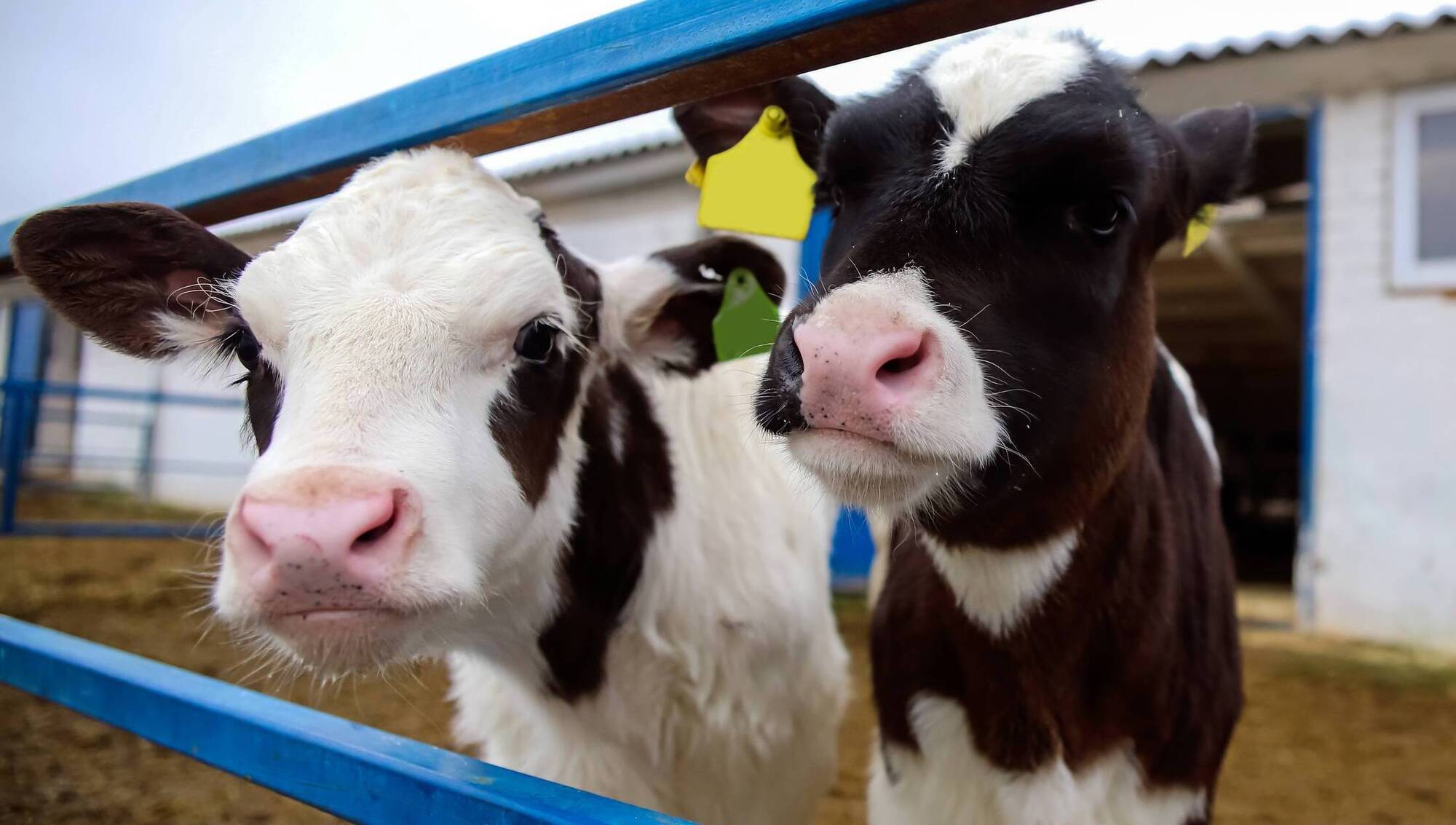
A case of a seven-month-old calf that was off-form, dehydrated and appeared to have blood in her faeces, appeared to be a mystery at first. File picture.

After 11 years as a practising vet, sometimes cases can make your head spin more than Rhys McClenaghan on the pommel horse.
My bank holiday on call was busy with different challenges across all species, however, there was one particular case that left me slightly perplexed. The textbooks were a help, but it was as if this calf was fond of "pick 'n' mix" regarding clinical signs.
My on-call phone rang around 10am on Sunday; the farmer reported that he had a seven-month-old calf that was off-form, dehydrated and appeared to have blood in her faeces.
Alarm bells were ringing for a diagnosis of coccidiosis. She fit the age demographic, and the blood in the faeces sounded pretty convincing. What I expected to see and what I saw when I arrived was somewhat different.
When I examined the calf, I noticed that her eye was extremely sunken due to dehydration; however, on closer inspection, she also had a yellow tinge to her conjunctiva, indicating jaundice was present.
I then examined her gums, and they also had this jaundiced appearance, which got me thinking that this was probably more than a coccidiosis infection.
She was very lethargic, her temperature was a little low, her lungs were normal, and her heart rate was elevated slightly. On closer examination, the blood-stained fluid on the floor was urine, and it was a port red colour. She had no scour, and her faeces were extremely dry due to her dehydration.
At this point, my mind was racing, thinking back to my vet school lectures that talked about blood-tinged urine in cattle. There is a list of potential causes and it was not my job to try and investigate the likely cause, not an easy feat on a bank Holiday with the labs closed.
Next on my list is Leptospirosis, which can cause jaundice due to hepatitis and brown discolouration in the urine of cattle due to liver damage. The farm is vaccinating their breeding animals; however, maternally derived antibodies may have waned by six months of age in this calf. Next on my list was bracken or fern poisoning, which can cause secondary bladder cancer, causing blood in the urine.
The age of the calf has it down my list of differential and the farmer was confident that she had no access to bracken over the past grazing period. The list is nearly exhausted at this stage, and there is one disease left to consider: Bacillary Haemoglobinuria, otherwise known as Clostridium Haemolyticium.
Upon messaging my vet colleagues for any second opinions, Clostridium Haemolyticum appeared to be at the top of their lists also, followed closely by Leptospirosis.
This was the first time in my career potentially diagnosing disease - there is a first for everything.
It appears to be more common in liver fluke areas due to the fact the bacteria colonizes necrotic tissue in the liver. Perhaps this calf had a case of "naval ill" in her early life and had damage to her liver that has now predisposed her to this disease.
As with all Clostridium bacteria, is anaerobic, which means it doesn't need oxygen to survive. it is a soilborne organism that is usually found in areas with poor drainage or can be present in an animal carcass in a field and can survive for long periods.
Once ingested, the spores of the bacteria migrate to damaged liver tissue to multiply where the spores cause blood cells to burst resulting in anaemia, jaundice and "port wine" coloured urine due to haemoglobin overloading the kidneys' filtering function.
I took blood from the calf and made a smear to check for babesia (redwater), as this was the extent of what I could do in our lab in the practice straight away.
Postmortem is, unfortunately, the only definitive method of diagnosis for , and as with all clostridial diseases, decay starts very quickly on the carcass once the animal dies.
I plan to submit the blood to rule out leptospirosis as the farmer may need to vaccinate young stock. Despite high doses of antibiotics and supportive care the calf unfortunately didn't make it.
Clostridial vaccination is not only important for Blackleg, but it covers up to 10 other common clostridial diseases including . It is vital to always give the booster dose four to six weeks later as it is a dead vaccine and needs the second injection to maintain protection.
Despite the likelihood that this is once off-case in this calf, implementing a vaccine programme on this farm is very worthwhile. Liver fluke is a risk for this disease on the farm due to damaging the liver allowing infection to set in, discussing liver fluke risk with your vet is important, especially coming into the autumn risk period.
This case showed me the importance of having a community of supportive colleagues, cases like this are very complicated. Just like in the Olympics, there is a team behind every Medal, an important message for young vets to remember when embarking on their early careers.