Brian Reidy: Getting your beef herd's summer management strategy right
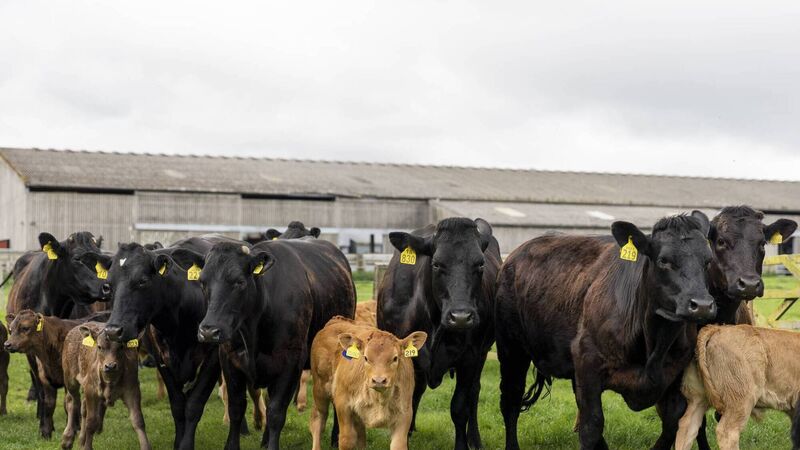
2024 has so far been one of the most challenging grass-growing years in recent memory, writes ruminant nutritionist Brian Reidy.
Brian Reidy: Getting your beef herd's summer management strategy right

Suckler cows will have better-quality milk on high-energy grass, writes ruminant nutritionist Brian Reidy.

We all know that the more grass you get into your cattle, the better your margin will be. Of course, this is also determined by the quality of grass you get into them. Poor quality grass can be detrimental to performance.

Suckler cows will have better-quality milk on high-energy grass. Growing young stock will have a far better growth rate on quality grass, as leafy grass has protein to encourage intake and growth. Leafy, high-energy grass, high in sugars, will help cattle gain weight and finish faster off grass. It is all about energy in and energy out.


2024 has so far been one of the most challenging grass-growing years in recent memory. Grazed grass is a challenging crop to manage as there is either too much or too little. 

Obviously, growing conditions due to weather have a huge bearing on this. Stocking rates over the grazing season also determine how swards must be managed.

In all areas, any under-fertilised swards are currently quite stressed and heading out very quickly. They tell us that soil temperatures are slightly above average for the time of year, but we all know that air temperatures have not helped with growth. 

One issue which is also obvious is that many never got early Nitrogen out this year due to the ground being too wet to travel and then could not apply fertiliser after the first grazing either, as surfaces were very delicate after stock had marked it. 

This marking, in many cases, occurred twice, meaning a significant percentage of each paddock is currently not growing any grass. Swards are not dense when you look at them from above.

Recent increases in growth rates

Grass growth has improved on most farms in the second half of June, but there are certainly no surpluses after emerging just yet. 

At this time of year, if conditions allow, it is amazing how quickly things can turn around, and any surplus must be identified quickly to maintain grass quality for stock to optimise performance.

Solutions if you are tight on grass

For those continuing to be tight on grass it is essential that grass is managed very carefully. You must slow down the rotation if growth is not meeting demand. 

This will involve feeding additional ration to those already being fed and introducing some to other stock if needed. It may also require the feeding of round bale silage if it is available to slow down the rotation. Obviously, supplementation is much easier in dairy cows than it is in suckler, beef and rearing groups.

Creep feeding of suckler calves will help to reduce grass demand in that group. Forward creep feeding of grass will also help as you can afford to let cows graze paddocks tighter while keeping calves' growth rates up.

Any autumn calves soon to be weaned would be due to be on creep feed at this stage anyway. They will also be fed some concentrates post weaning which will also reduce grass demand.

Starting to feed meal to forward stores on grass will slow down the rotation while getting animals used to meal before being pushed for finish. Some will also need to consider bringing in cattle intended for slaughter later in the year.

Starting to finish stock a little earlier will take the pressure off the grazing platform and may allow for extra silage to be saved. If grass is stressed and has a high seed and stem fraction, then additional protein in the meal being fed may be required as the grass protein will be lower than normal.

Fly control this summer

During any warmer spell, insects will be more common and cause more irritation to cattle.

If animals become affected by this, you may need to treat stock for external parasites. Intakes will suffer in affected animals. Keep flies off autumn-calvers to help prevent mastitis issues.

Weight recording to make future plans

Weighing suckler calves is the only way of getting an indication of their mother’s milk supply and quality. Suckler calf performance must be used to make breeding and management decisions for the future. 

I will be weighing my herd in the coming week and will use the data to make decisions around breeding for next autumn. A cow needs sufficient milk to rear a calf well and no more. 

Extremely milky cows will not always rear the best calves. Breeding decisions have a big influence on progeny performance. Look for easy-calving bulls for heifers but try to do this while not compromising too much on calf quality. Growing your heifers properly is half the battle here.

  • Brian Reidy is an independent ruminant nutritionist at Premier Farm Nutrition.

More in this section

Farming

Newsletter

Keep up-to-date with all the latest developments in Farming with our weekly newsletter.

Cookie Policy Privacy Policy Brand Safety FAQ Help Contact Us Terms and Conditions

© Examiner Echo Group Limited