Ageing farmers have no pensions and young farmers have no entry to farm ownership: It's putting Irish farming generational renewal under threat
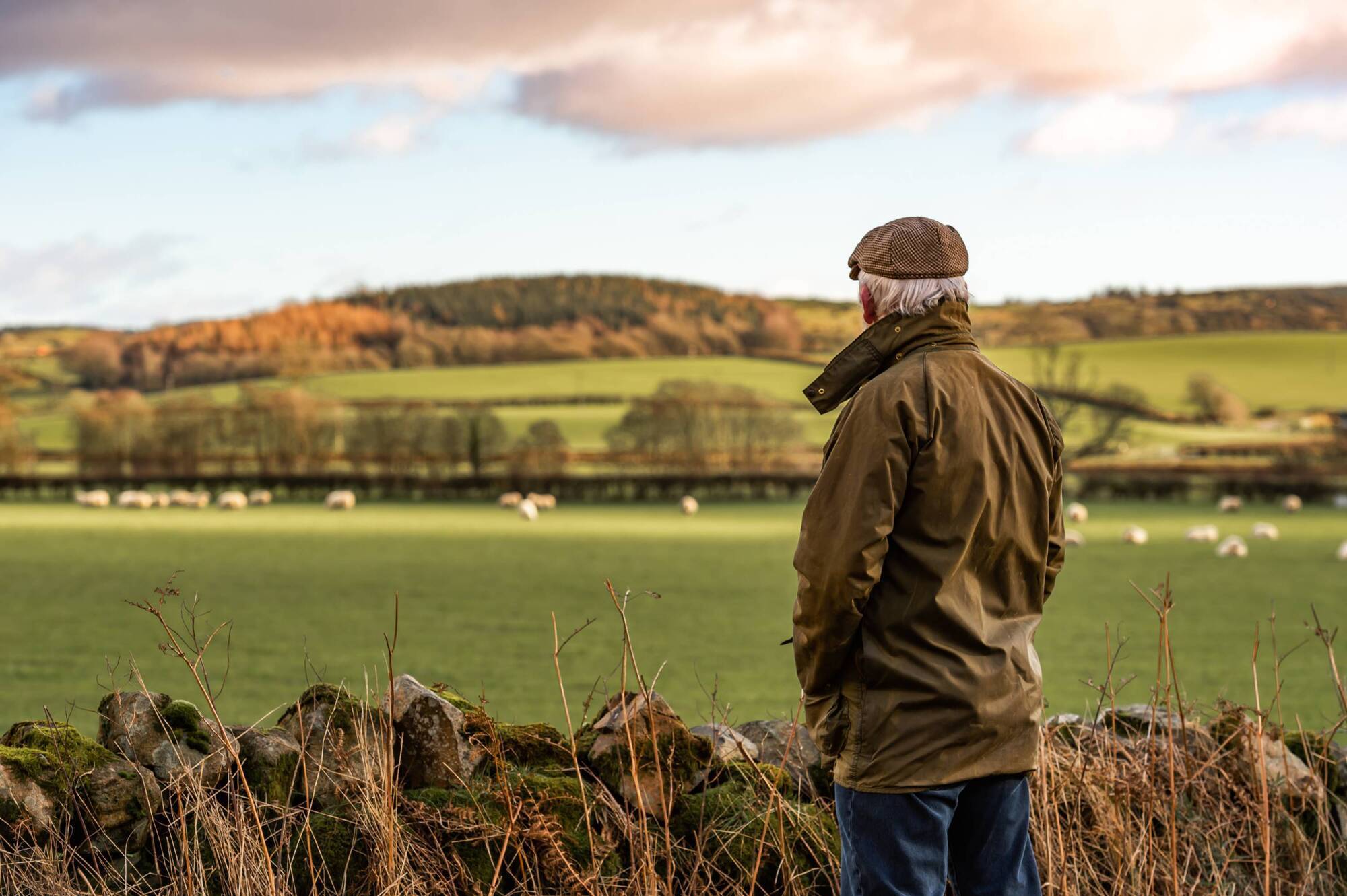
The current generation of Irish farmers face the biggest challenges, with many of their farm enterprises economically vulnerable.
The number of farmers in the older age categories in Ireland is very high, and many thousands with inadequate pension cover continue in agriculture in their old age, relying on farm income to supplement the State Pension, family support, and savings. About 50% of Irish farmers do not have a privately funded pension.
At the other end of the age scale, there is a lack of routes to farm ownership (other than inheritance). Collaborative farming, and alternative farm business structures for families to farm together, and for new entrants to join the industry, have low adoption rates in Ireland.

This situation leaves generational renewal in the sector under threat, especially if older farmers decide to step back from, or are apathetic towards, the current fundamental shifts in policy towards a cleaner and greener society.
A new report by Maynooth University and Teagasc researchers, entitled "Sustainable Transition of the Rural Economy Through Generational Renewal", describes the threat to the sector. "Change is occurring rapidly, with many farmers not having the resources and skills to meet these demands, or they may not want to be part of it, at this stage in their careers", warned the researchers.
"According to the EU Commission, 7% of farmers are under 35 years of age across all EU member states. Ireland, although slightly better than the EU, has presently and will continue to face considerable challenges to encourage the transfer of the farm holding and attract the next generation into the industry", said the researchers.
At stake is a sustainable rural economy, critical not just for economic reasons and for food supply, but for social reasons also.
The report calls for supports to provide adequate income for retiring farmers (and their dependents), within a clear exit strategy from the farm.
Secondly, a formal route to farm ownership is required for farm successors and new entrants.
The researchers, funded by the Department of Agriculture Food and the Marine (DAFM), said the current generation of Irish farmers face the biggest challenges, with many of their farm enterprises economically vulnerable. And the generational renewal which is fundamental to the sustainability of agriculture is also threatened in Ireland.
Underlying causes include the Irish pension system creating significant gaps in social welfare pension coverage in the farming community. Although the level of private pension coverage is only about 50% of farmers, there is significant variation, from only 40% of sheep and cattle farmers to about 70% in dairy and tillage. In surveys, farmers were asked why pension coverage is low, and the reasons given were lack of affordability, didn’t get round to setting up a pension, lack of trust in private pension providers, and reliance on other personal savings or assets to fund retirement.
The researchers said lessons can be learned from the social welfare pension system in other European countries, and used to modify the Irish system. Many countries have bespoke subsidised State pensions for farmers.
The researchers advised farmers contemplating collaborative farming arrangements to be made aware of their benefits and challenges, and cognisant that such arrangements are not always successful.