'Certainty' for farmers as commission outlines support for when extreme weather events strike
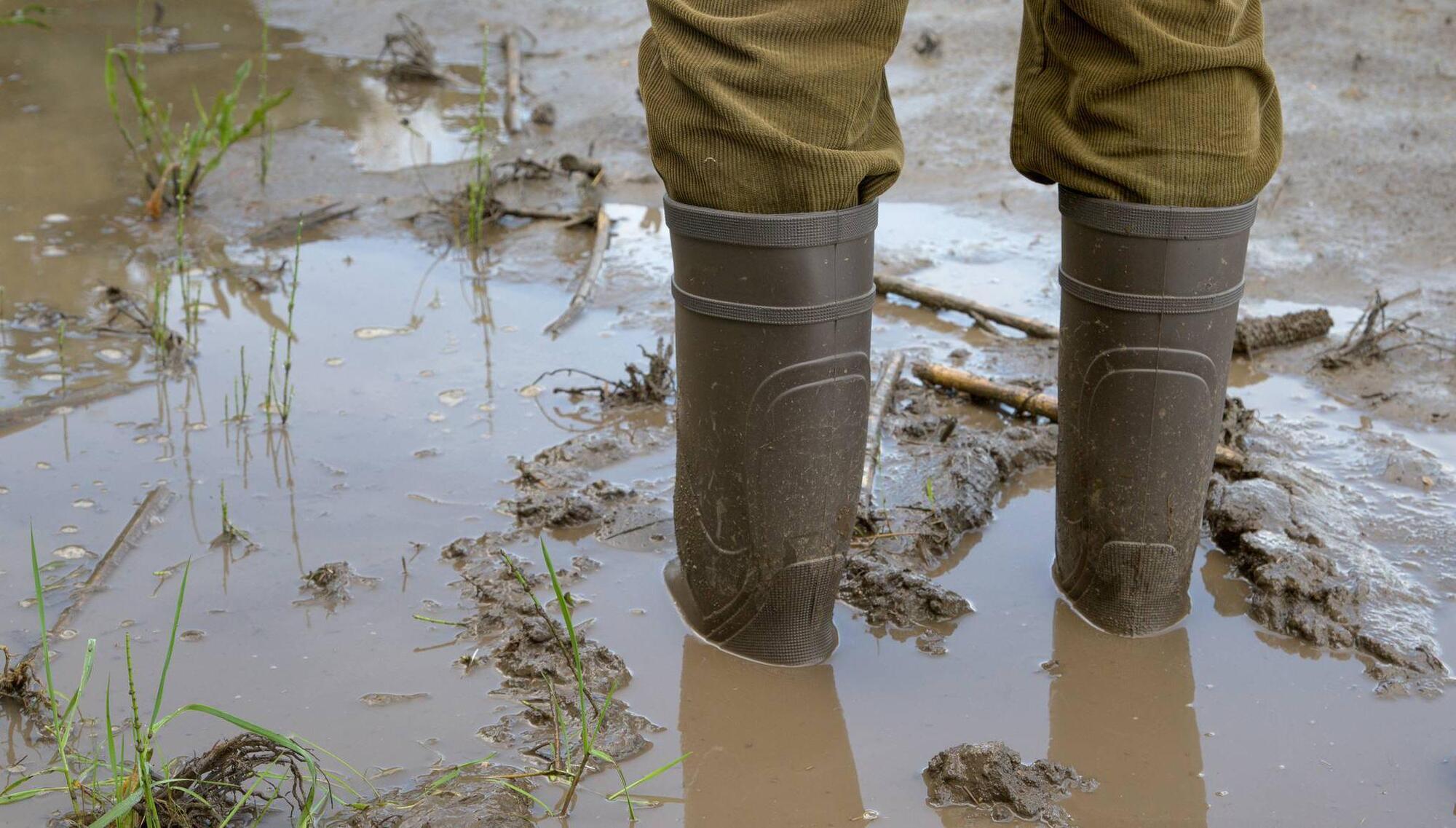
The commission has now clarified that force majeure can apply to all farmers working in a delimited area that is affected by severe and unforeseeable natural disasters or meteorological events.
The European Commission has moved to bring "certainty" to farmers that they could still receive CAP payments if they are unable to meet their usual obligations as a result of extreme weather events.
Commissioner for Agriculture Janusz Wojciechowski has said there is work ongoing to "address farmers’ concerns for less bureaucracy, and more flexibility".
"Farming is one of the most exposed professions to climate change and its consequences. With unforeseen extreme climatic events, farmers risk losing everything they have worked for," the commissioner said.
"There is no need for additional worry when one deals with dramatic natural disasters."
The commission has adopted a communication clarifying the use of 'force majeure' and exceptional circumstances for the EU agricultural sector in cases of unforeseeable and extreme weather events.
By this week clarifying the legal interpretation of this concept, the commission aims to provide certainty for affected farmers regarding their CAP payments, while also ensuring a uniform application across the EU by national administrations.
The concept of force majeure allows farmers who have been unable to fulfil all their CAP requirements due to exceptional and unforeseeable events outside their control (such as severe droughts or floods) not to lose CAP support.
The application of this concept is decided by member states based on relevant evidence.
Because it constitutes an exception to the strict respect of obligations linked to CAP payments, this decision is normally applied in a restrictive manner, generally on a case-by-case or farm-by-farm basis.
The commission has now clarified that force majeure can apply to all farmers working in a delimited area that is affected by severe and unforeseeable natural disasters or meteorological events.
This means that farmers located in the impacted area will not need to fill in individual requests or provide evidence for the fulfilment of the conditions of force majeure.
Conditions are set out to allow the presumption that all farmers located in an area are covered by force majeure.
Member states will have to confirm the occurrence of a severe natural disaster or a severe meteorological event and delimit the geographical area that has been gravely affected by the event, and whose consequences could not be prevented with all due care.
For this delimitation, member states can rely, for instance, on satellite data of the area concerned, without the need for specific satellite data at the level of the individual holdings.
For certain types of events, national administrations will also consider additional factors, such as the slope gradient, soil type, or type of crops grown, to define the population affected without the need for individual verification.
This could be the case, for instance, for frost which may not affect all crops in the same manner, or continuous rainfall, which may have different effects on areas with a slope, or soils with different water retention capacities.
At this week's Agricultural and Fisheries Council meeting, Agriculture Minister Charlie McConalogue called for flexibility in crisis management as European farmers face persistent extreme weather events.
"Extreme weather events have become more frequent in the last number of years, adding to the ongoing cycle of difficulties being experienced in the agriculture sector," Mr McConalogue said.
"I believe that a key requirement for the crisis management framework of the CAP is to remain as flexible as possible to provide for the most agile response.
"In previous discussions, it has become clear that additional requirements would only serve to restrict us when a timely decision is the key priority.”