Carbon farming framework set for launch
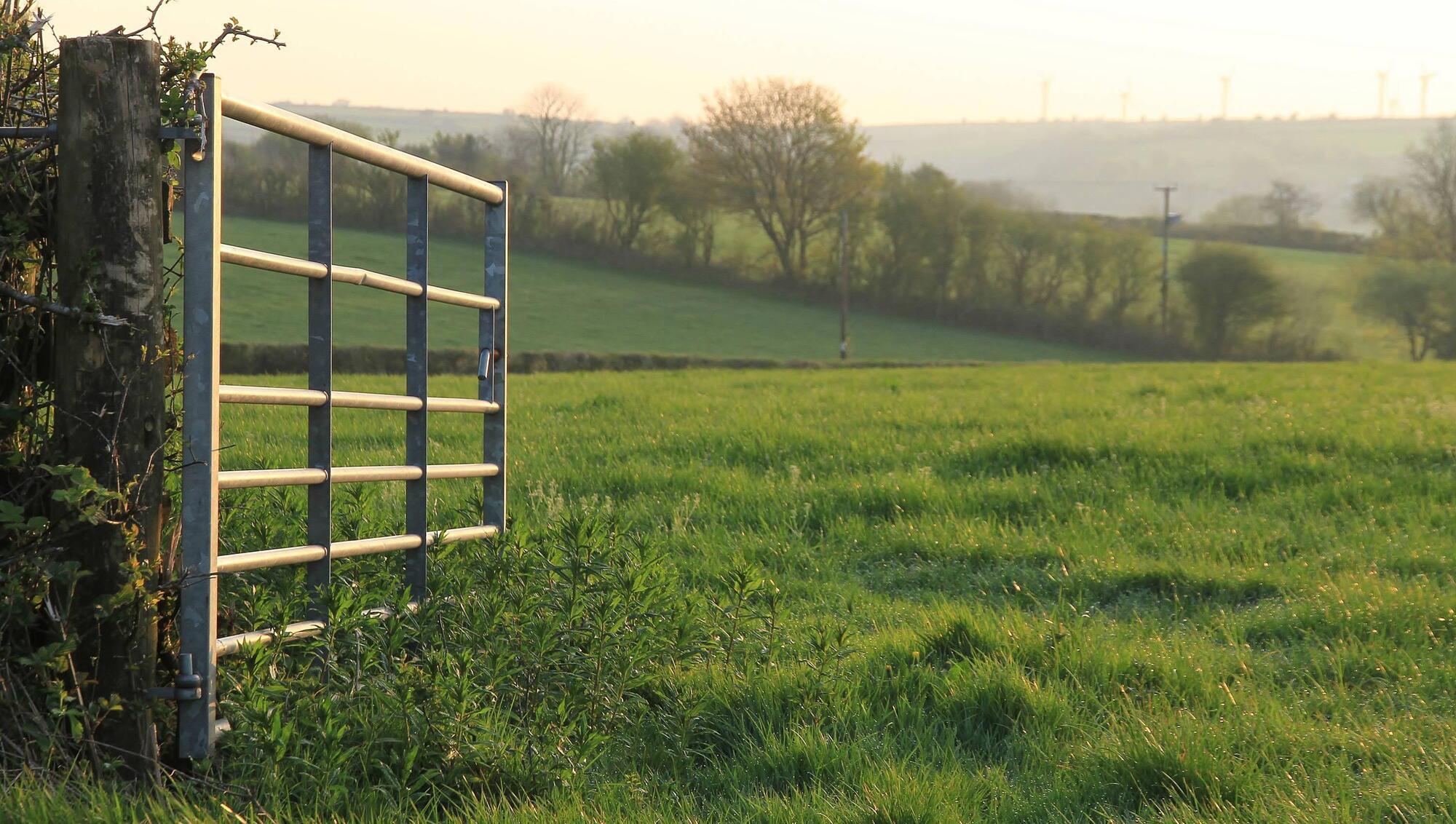
The framework will help farmers, foresters, and other land users take climate actions that reduce greenhouse gas (GHG) emissions and enhance the capture of carbon in soils and vegetation.
Ireland's national carbon farming framework is due to be launched in the second or third quarter of this year, according to the Irish collaborators in the LIFE Carbon Farming project.
The Department of Agriculture, Food, and the Marine (DAFM) is leading development of the framework for Ireland, assisted by EIT Climate-KIC, Teagasc, and state partners.
The framework will help farmers, foresters, and other land users take climate actions that reduce greenhouse gas (GHG) emissions and enhance the capture of carbon in soils and vegetation.
The framework, aligned with EU climate policies, will be designed to position Ireland as a leader in food systems climate sustainability.
The DAFM says carbon farming should support GHG removals, through activities such as managing soils to increase the carbon stored in them (for example, with multi-species swards, cover crops, reduced ploughing), or through forestry, peatland rehabilitation, hedgerow management, etc.
"For carbon farming to be successful, there should be other associated co-benefits to biodiversity, water quality and soil health," said the DAFM.
The European Commission defines carbon farming as “a green business model that rewards land managers for taking up improved land management practices, resulting in the increase of carbon sequestration in living biomass, dead organic matter, and soils by enhancing carbon capture and/or reducing the release of carbon into the atmosphere, in respect of ecological principles”.
This would contribute to the 2020 EU goal of net-zero emissions, a constant balance of (residual) GHG emissions and carbon uptake.
Countries such as France, the Netherlands and the UK have already developed local carbon farming programmes. But EU-wide, co-ordinated monitoring, verification and reporting methods are still awaited.
How will Irish farmers and landowners be incentivised to embrace carbon farming and how will they know how to measure their performance?
A major role is envisaged for the new AgNav Sustainability Digital Platform in Teagasc's Signpost programme. AgNav will facilitate reliable estimates of carbon for each farm.
Meanwhile, the LIFE Carbon Farming project works on a result-based funding mechanism for carbon farming in mixed-crop livestock systems in Ireland, France, Belgium, Germany, Italy and Spain.
The 50 partners in the project say public and private carbon markets currently appear to be the most promising funding source to support climate actions on-farm.
"However, many farmers in Ireland and Europe currently struggle to access carbon markets, as few tools have been approved for measuring, reporting and verifying emission reductions and carbon removals on livestock farms."
Developing standard processes to overcome this obstacle and set up funding mechanisms for climate actions on commercial farms is a major LIFE Carbon Farming project aim.
The overarching stated goal is to employ financing solutions to reduce the carbon footprint by 15% over six years on 700 livestock farms, 40 of which will be located in Ireland. The Irish livestock farms participating in LIFE Carbon Farming are involved in the Signpost programme.
The project builds on findings in the LIFE Beef Carbon and LIFE Dairy Carbon projects, both of which demonstrated that beef or dairy farms can reduce carbon emissions without compromising production.
However, they also showed it is challenging to reduce the carbon footprint without expert advice and financial support.
One of the LIFE Carbon Farming stated expected outcomes is carbon credit sales of €3,000-12,000 per livestock farm, and total revenue from public and private carbon markets of €5 million.
Meanwhile, the main tasks in delivery of Ireland's national carbon farming framework include establishing baseline information for farms, compared to which any subsequent carbon reductions or removals can be verified as additional.

BLACK FRIDAY
Already a subscriber? Sign in