Bull pre-breeding boot camp for Scott the 8th
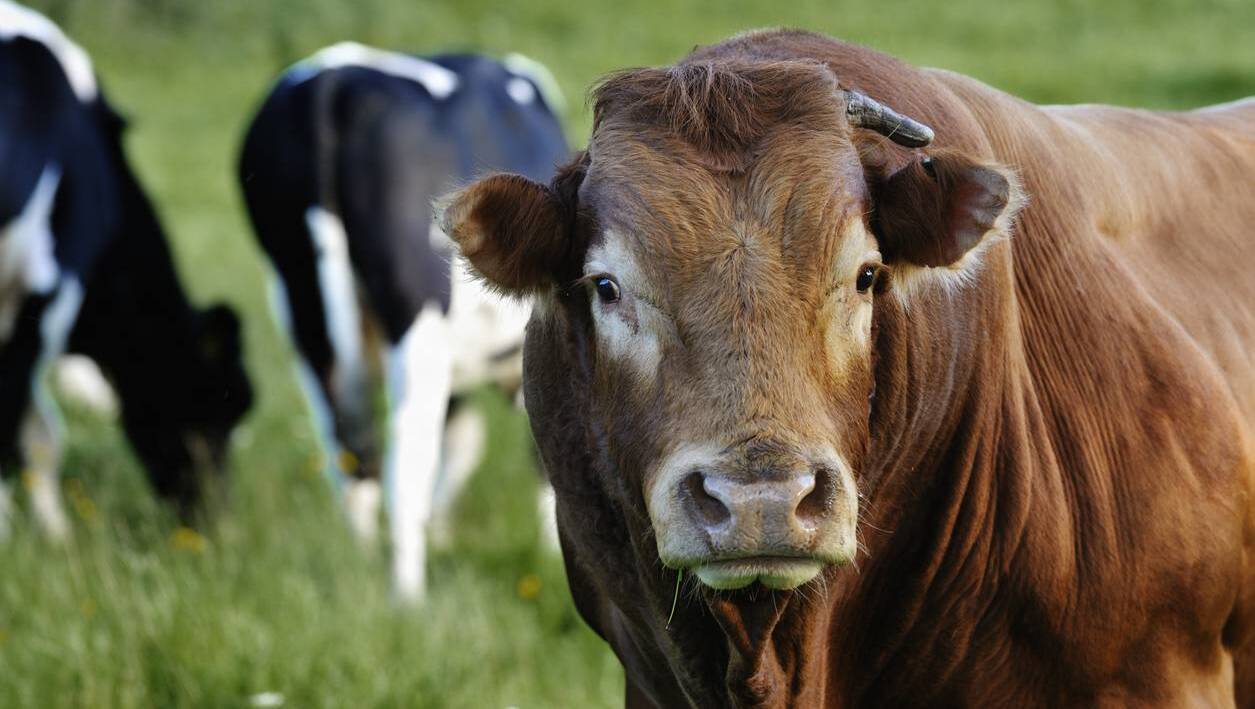
There can be an over-expectation of how many cows a bull can serve. Be realistic with how much he can do, and make sure he is set up for success, writes farm vet Hazell Mullins.
Bull pre-breeding boot camp for Scott the 8th

Teagasc recommends serving three cows every two days, which is approximately what a mature bull can handle. 

We are two weeks into breeding now and for some, it could be even nearing four weeks. Scott the 8th, our infamous bull, is living his best life out with his bro pals in the field, eagerly awaiting his reunion with his ladies. 

He has about four more weeks with his buddies, and in that time, we must make sure that he is at his best before the ladies lay eyes on him. We were seriously considering selling him this spring due to a few difficult calvings. Last year was a funny one with longer dry periods and over-conditioned cows, so he gets a second chance. Lucky Scott.


A Bull Fertility Test is the first port of call for any bull that was in use last year; most bulls you buy are fertility tested by a vet; however, it can be the older bull that is forgotten about. 

Your vet will check the bull externally first to ensure he is free from any genitalia injury or abnormality. Then, a semen sample will be taken to ensure sufficient sperm quality and that the bull is still fertile for the upcoming season. The motility, morphology, and quantity of the sperm are accessed using stained and unstained slides.

The most important aspect of any fertility test is that this is the fertility status at the time of the test. It is important to remember that any illness that subsequently affects the bull could damage sperm quality. 

Any illness that causes a rise in temperature, such as pneumonia, could do just this. A common disease that can have detrimental effects on fertility is photosensitivity, where the skin of the bull reacts to UV lights. 

The skin on the scrotum can often be affected and this can directly damage the sperm in the testes. It is especially common in whiter-haired breeds such as Charolais, Simmentals and Herefords.

Signs to look out for are excessive swishing of the tail in the absence of flies, thickened white areas of skin compared to the dark areas, and reddened nose, eyes and scrotum. 

They can also appear to be disorientated and may be aggressive due to pain from the sunburn so caution is needed as it should with any handling any Bull. 

The first port of call is to bring the bull out of the sunlight and then call the vet to examine him. An episode like this can affect a bull’s fertility for up to three months, as that is the lifecycle of a sperm, devasting for any breeding season.

The mobility of the sperm is one thing but the mobility of the bull himself is vital for a successful breeding season. I looked at Scott the other day in the field, and he appeared to be sound, but I will keep an eye on this over the next four weeks just in case it changes.

A common problem with bull’s feet is that they get interdigital growths that need immediate attention before they grow to a non-treatable size. Regular hoof paring will ensure that your bull is fit and ready for this big debut in June; contact your vet if you have any concerns about lameness.

Weight can be a contributing factor to poor feet and lameness, a bull should have a body condition score of between 3 and 3.5 at the start of breeding. 

My dad is a great person for never forgetting the bull when it comes to vaccinations. Any vaccine that the cows get pre-breeding the bull should also be included, for example, Lepto, BVD and Salmonella. Be mindful of IBR if export is ever on the cards for the bull as some countries require IBR-negative bulls. Talk to your vet today about a vaccination program for your bull this breeding season.

There can be an over-expectation of how many cows a bull can serve. Teagasc recommends serving three cows every two days, which is approximately what a mature bull can handle. 

This can certainly be the case when syncing heifers or cows watch out for the 18-21 day repeat period that may overload these ratios as there will be more cows/heifers cycling than expected.

It was good to be back in Mitchelstown this week. I missed those TB guns and the fresh Galtee air. It is hard to imagine that this weekend last year was my wedding day. It was a magical day, and it’s been an incredible year since.

We are staying in Ballymaloe again to mark our 'Paper Anniversary', and I have a date with their famous dessert trolley.

  • Hazell Mullins BVM BVS, is a large animal vet based in Carrignavar, Co Cork.
x

More in this section

Farming

Newsletter

Stay ahead of the season. Sign up for insights, expert advice and stories shaping Irish agriculture.

Cookie Policy Privacy Policy Brand Safety FAQ Help Contact Us Terms and Conditions

© Examiner Echo Group Limited