BVD warning issued ahead of breeding season
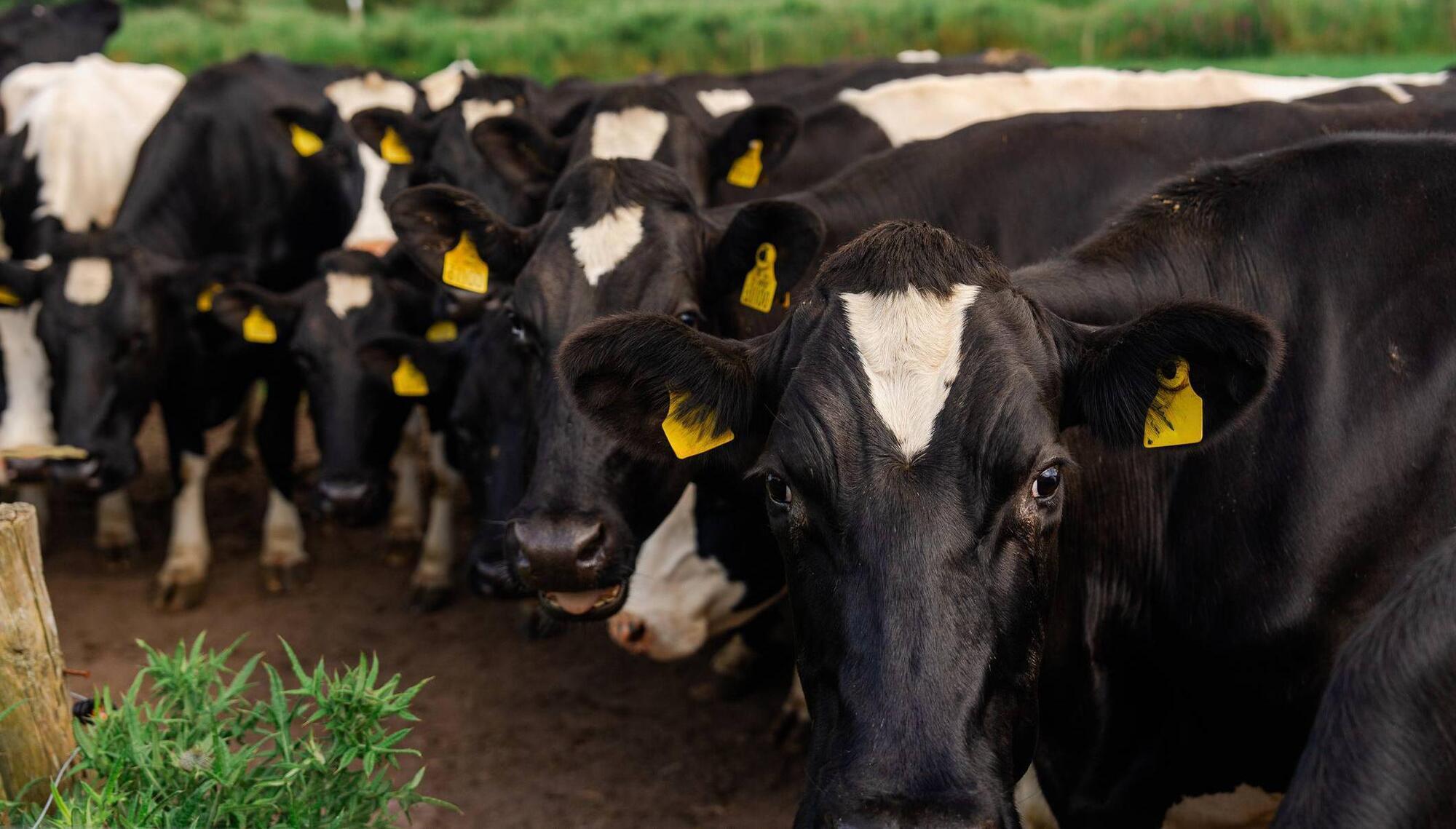
Agriculture Minister Charlie McConalogue said that farmers have made "tremendous progress" in the eradication of BVD.
The Department of Agriculture is urging caution on bovine viral diarrhoea (BVD) over the next number of months.
The breeding season is the highest-risk period for the generation of BVD persistently-infected cattle, the department has warned.
"As BVD prevalence reduces, so too does the natural immunity of the national herd to BVD. This, along with decreased overall use of vaccination, places herds at increased risk if infection enters a herd," the department explained.
"The incursion of BVD into herds with reduced BVD immunity can have devasting impacts, and lead to the generation of further BVD persistently-infected cattle.
"In the past year, epidemiological investigations have identified the emergence of a small number of local clusters of infection, with infection having spread between herds – this is thought to result from the movement of animals, equipment, and people."
The department said that the situation in the North Kerry and West Limerick area which was a concern in 2023 has "improved markedly" in 2024.
"Further research has identified that herds within 5km of a positive herd are at an increased risk and the risk is highest for those herds within 400m of test-positive herds," the department added.
Farmers are being urged to focus on biosecurity to protect their herds.
The department said it is important that herds that have BVD test-positive results in 2024 promptly engage with the BVD control programme, quickly remove all test-positive animals, and complete the vaccination programme.
Herds that have had test-positive cattle in 2023 must complete their follow-up 2024 vaccination programme ahead of the breeding period, and herds that have been notified of BVD test-positive cattle in their neighbourhood should seek advice from their veterinary practitioner, review their biosecurity practices, including vaccination policies, and enhance these where needed.
Agriculture Minister Charlie McConalogue said that farmers have made "tremendous progress" in the eradication of BVD.
"The programme is now at a critical point and I am urging all farmers to be mindful of the importance of biosecurity practices," he said.
Since the commencement of the BVD eradication programme in 2013, there has been "considerable progress" with the herd level incidence decreasing from 11.27% in 2013 to 0.23% at the end of 2023, more than a 50-fold reduction, the department said.
€3.75m to support the BVD eradication programme this year was confirmed previously by Minister McConalogue.
This increased funding includes direct support to farmers with test-positive animals, the minister said, and a 20% increased payment towards testing at €2.40 per animal, supporting up to 25 animals per herd.
This is an increase from €2 per animal in 2023.
Last year, the programme received support of €2.25m.
Mr McConalogue said that at the outset of the programme, BVD was costing farmers some €102m each year, a cost "which would continue into perpetuity".
Mr McConalogue said that “the investment by farmers and the state over the past 10 years in delivering the vastly improved disease situation has almost eliminated all these financial costs from farmers, as well as the stress experienced by farm families tending to sick calves”.