Rachel Martin: Prayers are being said to bring an end to the incessant rainfall
The financial cost of feeding livestock silage compared to grass is around double, then add the additional labour of bedding, cleaning and opening bales or lifting silage out a clamp.
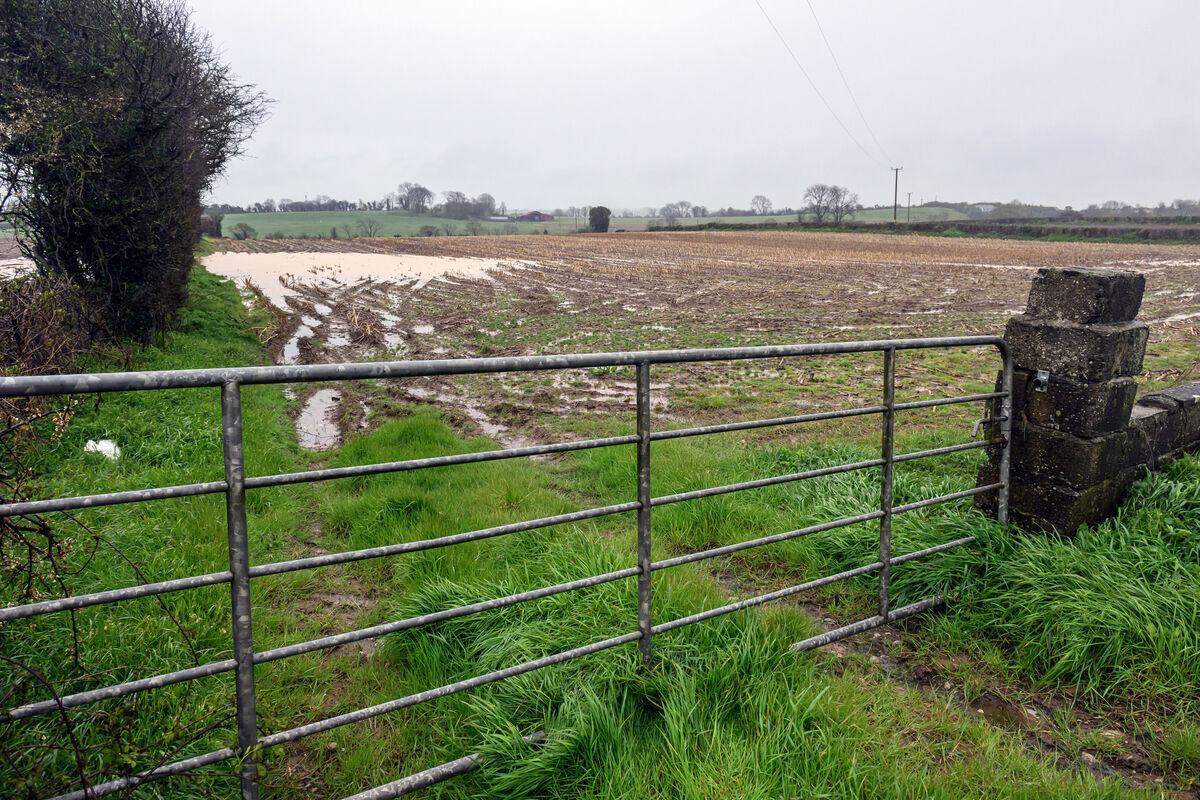
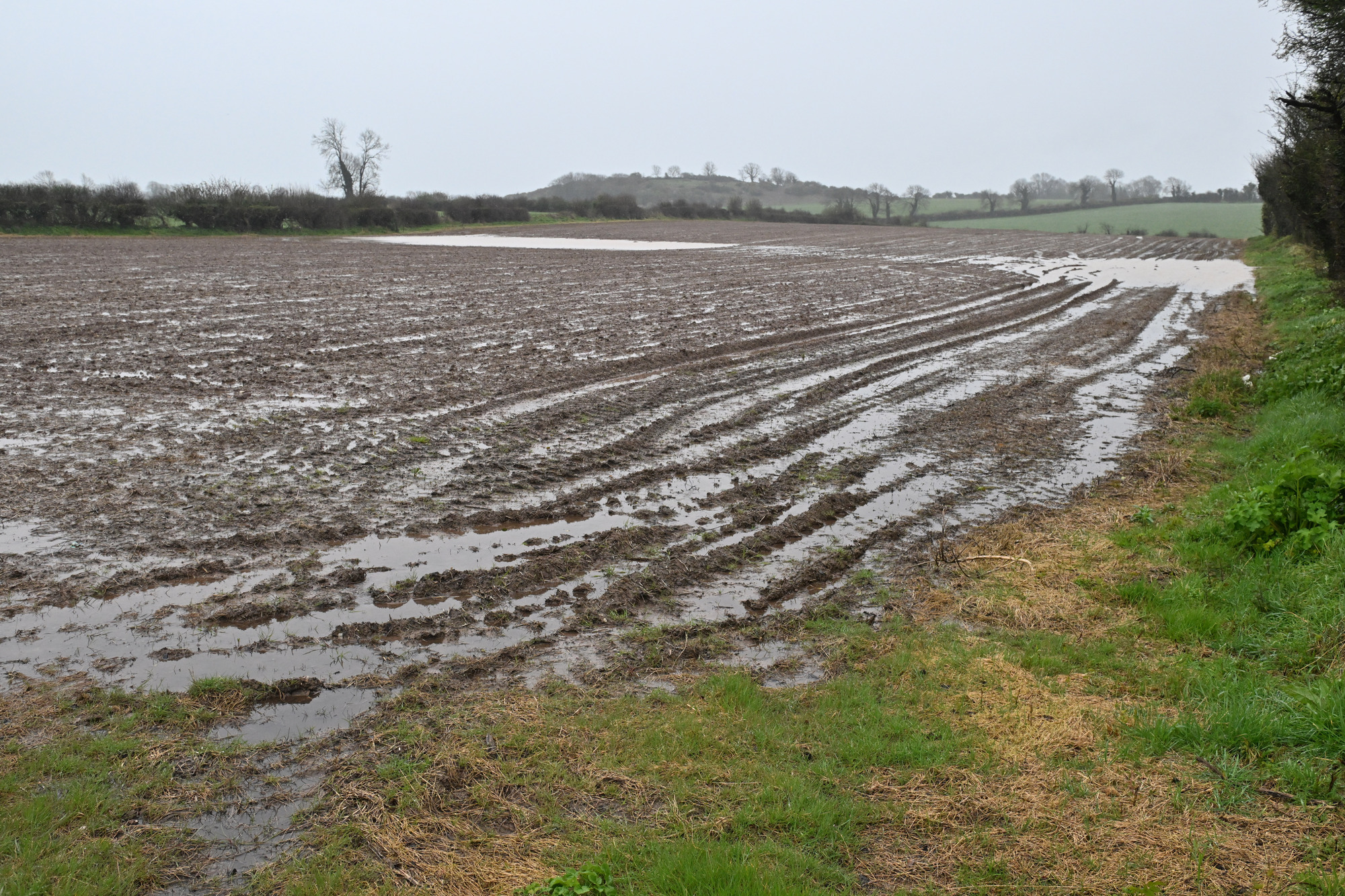
Fields near Killeagh in East Cork saturated with water after the wettest March in eighty years. Picture Dan Linehan

Fields near Killeagh in East Cork saturated with water after the wettest March in eighty years. Picture Dan Linehan

It can’t rain all the time… or at least, we all hope it can’t. I never thought I’d find myself quoting The Crow on our Farming pages, but the Irish countryside really is beginning to feel like one of those film noirs — gritty, dirty, and eternally depressing.

And for those who can get any work done outside, even minor jobs are quickly turning into a quagmire.

I read this week that the parishioners in Co Wexford are holding a mass for better weather, with farmers online joking that they’d send buses even from the northwest.

With Met Éireann declaring March one of the wettest on record, it will take nothing short of divine intervention to dry out the ground at this stage.

In March, 29 days of rainfall were recorded in some areas, leaving no chance for the ground to dry up.

It might not be the wettest March we’ve ever experienced, but it’s exacerbated by coming off the back of a very wet end to 2023 and a wet start to 2024.

Truthfully, it feels as if it has not stopped raining since the National Ploughing Championships last year.

For those curious, 2009 was, in fact, the wettest year on record in Ireland since official records began in 1941.

And if you thought this year had to be up there, 2023 has been Ireland’s second wettest January-October to date. And 2023 also saw the wettest March and the wettest July on record in Ireland, but a dry February was the real saviour of the grazing season.

Surprisingly, when I tallied up the figures for Cork Airport, I discovered that March 2024’s 168.2mm was actually slightly behind the 211.4mm recorded in March 2023.

However, the year-to-date figure (until April 8) paints a different picture – with 488.5mm recorded so far in 2024, compared to 413.2mm from January to April in 2023.

At this point, only the truly blessed (or mad) have been able to get their stock out and have them stay out.

There are a whole swathe of practical considerations for farms, which policymakers both in government and business need to accommodate.

On the most basic level, the financial cost of feeding livestock silage compared to grass is around double, then add the additional labour of bedding, cleaning and opening bales or lifting silage out a clamp.

Then there’s the welfare impact of having additional stock on farms after calving, all stuck inside sheds designed for winter stocking levels.

On the tillage side, things are even more extreme; crops can hardly be expected to thrive if they have not even been planted.

Unfortunately, there isn’t much any of us can do about the weather, and unfortunately, the extended-range forecast is not looking so bright either, with Met Eireann forecasting high-pressure systems for much of the next four weeks.

The latest update states: “The rainfall forecast is less certain, with the likelihood of wetter-than-average conditions in April, though there is the potential for drier spells in May and June, in particular.”

Hopefully, there will be some sunshine on the horizon, but in the meantime, it’s important to take steps where you can to ease the load.

Don’t beat yourself up over stock being still indoors – farm for your own land and conditions, and don’t be afraid to reduce numbers temporarily, if needed, to make things manageable for yourself.

More in this section

Farming

Newsletter

Stay ahead of the season. Sign up for insights, expert advice and stories shaping Irish agriculture.

Cookie Policy Privacy Policy Brand Safety FAQ Help Contact Us Terms and Conditions

© Examiner Echo Group Limited