Hazell Mullins: Prioritising high-risk cows for pre-breeding scans
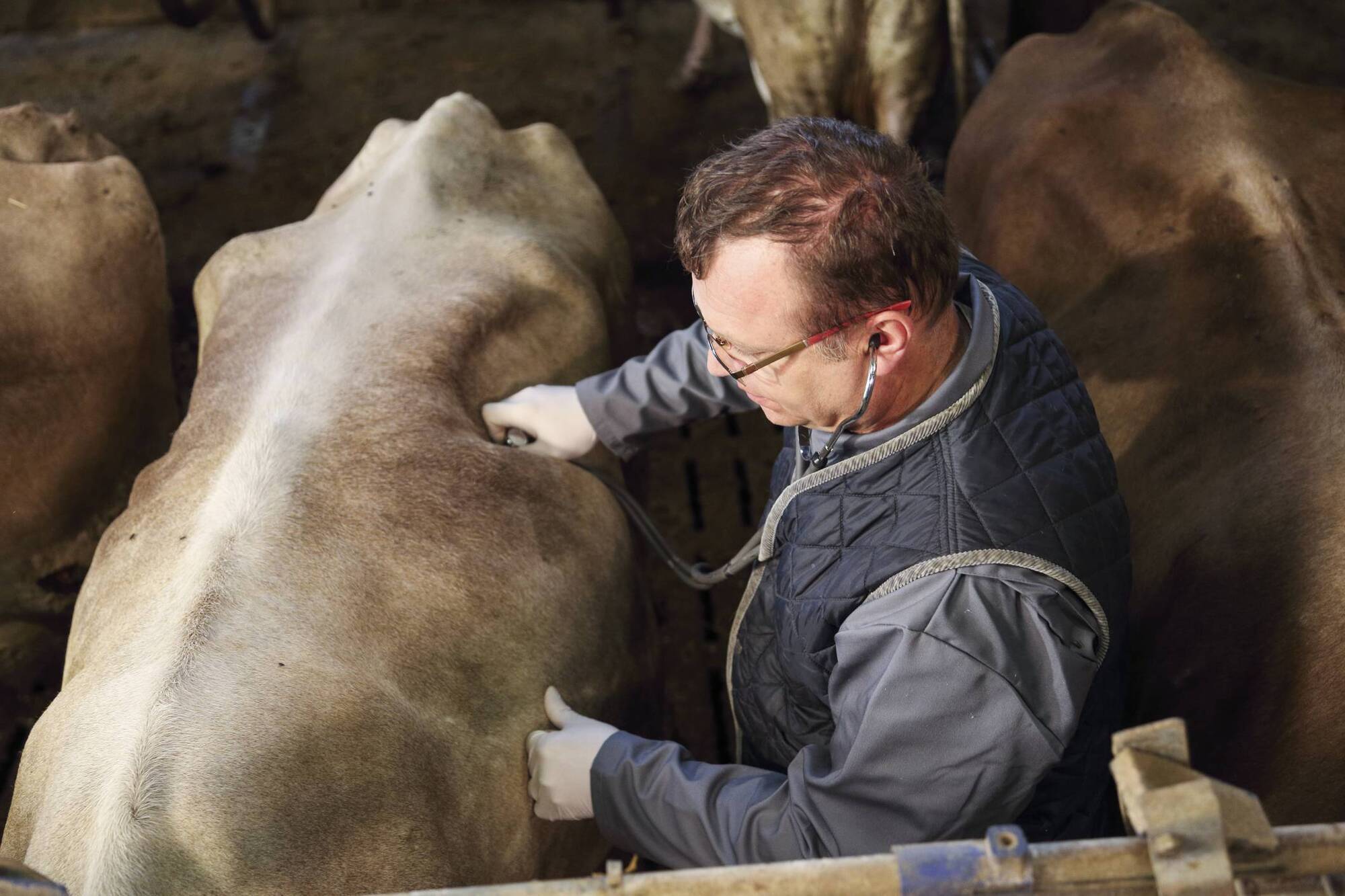
Metritis is an infection of the entire uterus and usually occurs within 10 days of calving.
The Easter bunny is gearing up for the biggest weekend of the year, and farmers are already thinking about breeding. Already, I see breeding-focused content being shared across media platforms. In recent years, I have noticed a huge shift in the concentration of veterinary advice to the breeding season, which makes complete sense as without its success, the circle of life that is dairy farming wouldn't thrive.
This will be my second year officially involved in the breeding of our cows. However, there was a little event that distracted me during last year's season, our wedding. So this year, I want to fully focus on choosing the right bulls for the right cows. Having my input into he dairy beef side of our farm also will be exciting as usually we AI straight with Friesian bulls for the first six weeks, whereas this year we plan to use beef straws on cows with lower genetic merits.
Speaking of bull selection our new stock bull “Scott the 8th” will have to be replaced this year as there has been too much intervention at calving with the cows in calf to him. We knew when buying him that he was certainly not for heifers, but unfortunately, he is not suitable for our dairy cows either.
Metritis is an infection of the entire uterus and usually occurs within 10 days of calving. Cows are usually sick with this condition; foul vaginal discharge, not eating, sunken eyes, diarrhoea and even recumbency. Just like e.coli mastitis, cows can become present with toxic metritis, which can cause a shock response in the cow and can be fatal, which requires immediate veterinary attention. Cows may have a retained placenta with this condition but not always.
The at-risk cows are the same for retained placentas: twins, dystocia, stillbirths and cows with subclinical or clinical milk fever. These cows need anti-inflammatories, fluids and systemic antibiotics under veterinary advice.
Metritis can lead to endometritis or “whites”, is an infection that occurs after three weeks post-calving and is confined to the endometrium lining of the uterus. It presents as varying amounts of white pus present in vaginal discharge. It is a less serious condition to the health of the cow but it can have detrimental effects on the cow’s future fertility.
Endometritis impacts fertility by firstly delaying the onset of ovulations in the cow and if the cow does ovulate it can prevent a fertilised embryo from attaching to the uterus.
Early diagnosis is key either by booking a pre-breeding scan with your vet or using a device called a metri-check to check for the presence of “whites” to then present the cow for treatment. Cleanliness is key when diagnosing as you don't want to introduce more contamination to the uterus, always wear clean gloves, use paper towels and wash the Metri-check between cows.
On ultrasound, “whites” presents as a cloud of white particles dispersed within the wall of the uterus or floating in the uterus - vets call it a “speckled” appearance and is usually confirmed by doing a clean vaginal examination. Sometimes, the infection is so mild that a scan is the only way to visualise the infected uterine wall.
Prostaglandin can form part of the treatment for endometritis however a Corpus Luteum should first be confirmed on pre breeding scan by your vet. Again the risks for both metritis and endometritis remain the same. I've put all the cows on our farm that needed intervention for Scott’s off-spring on my pre-breeding cow list.
When it comes to the use of antibiotics for uterine health, we need to be careful not to use them at the incorrectly times and always discuss with your vet to make sure responsible use is ensured. For cows that are showing signs of illness with metritis, a systemic antibiotic is best to use under veterinary recommendation. Healthy cows with retained placentas have no requirement for antibiotics and this should be avoided. Removing a retained placenta too early can permanently damage a cows uterine lining, my rule of thumb is no traction before day seven post calving.
It is important to be mindful of the at-risk cows for poor uterine health coming into April, including cows post twins, cows with retained placentas, cows with difficulty calving or c-section and cows that had a case of clinical milk fever. Booking a pre-breeding scanning session with your vet about a month prior to breeding is a great way of getting on top of problem cows early and give them the best chance of improving their uterine health.
Looking forward to eating my weight in chocolate this weekend, cooking a lamb roast and enjoying some family time, the perfect Easter. I hope you all, the Farming Examiner readers have a wonderful Easter and when in doubt just eat the chocolate.