Respiratory disease can strike both calves and vets
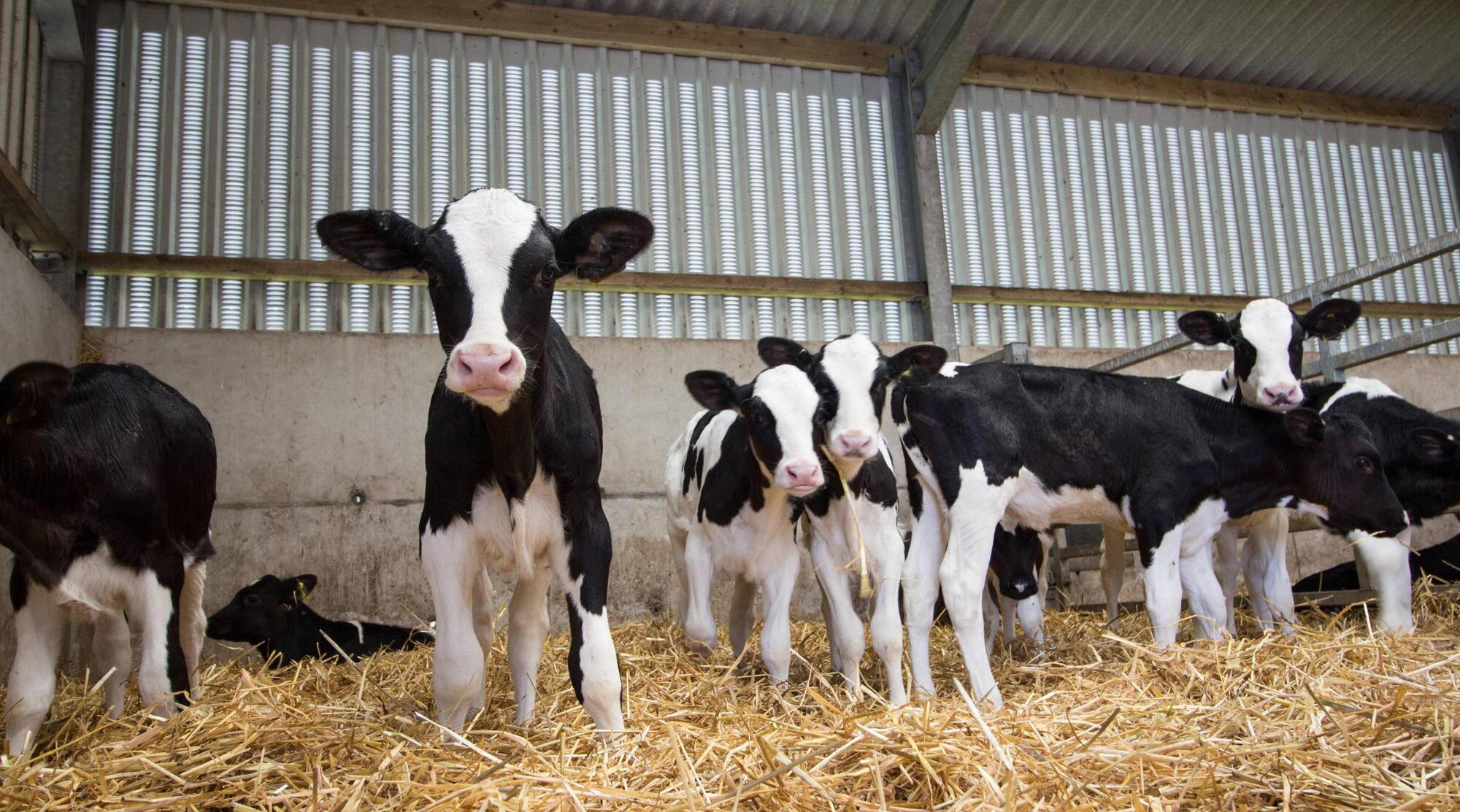
When I was passing the shed earlier in the morning I had heard a suspicious cough from a calf that I had hoped was a false alarm, alas this was not the case.
In all my efforts to keep my calves healthy, I may have overlooked my health and the dreaded flu finally caught me last week. It floored me at the worst possible time, I felt so weak that even writing last week’s article failed me. It reminded me that minding your health during this busy period is of the utmost importance but is easier said than done.
I failed to see the warning signs of my health deteriorating while monitoring the calf's health. Since returning home to farm full-time for the spring, recognising early signs of calf health issues has become second nature. I am constantly on the lookout for any out-of-the-ordinary behaviour that can alert me to any sign of illness.

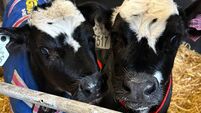
Last week I did notice that one heifer calf was not quite herself, she was slow to get up to come to the feeder and she had no interest in drinking once she got there. Alarm bells were starting to ring as this was the first calf of the season not to drink. Was it scour? Was it pneumonia? When I was passing the shed earlier in the morning I had heard a suspicious cough from a calf that I had hoped was a false alarm, alas this was not the case.
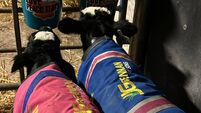
When I came back to remove the feeders for cleaning, she was lying in the corner of the shed and I could see that under her calf jacket, she was breathing rapidly. On auscultation, her breathing was muffled by crackles, there was a clear nasal discharge and she had a temperature of 39.9 degrees. There was no doubt that she had a case of pneumonia.
Initially, my heart sank, I thought about how this could spread to all the calves in the shed, is the new calf shed the issue? The weather had certainly not helped in this situation, the cold easterly wind was blowing through the sheds the day before, not helping with stress and immunity levels. It has become clear from the last month that the calf shed needs some adjustments to make it suitable for calf rearing. One such adjustment was the addition of a windbreaker at the back of the shed so that when that deadly east wind blows across the yard it is stopped from passing over the calves.
This calf got an antibiotic and an anti-inflammatory and was immediately removed from the pen to isolate her from the rest of the group. That evening she was eager for her milk and all the other calves in the group ran for their feed which was a huge relief. Early recognition of pneumonia is crucial for a positive outcome.
The stress of changing weather in my opinion was the cause of this calf’s pneumonia, adapting the shed to these challenges can be key to prevention alongside the introduction of a vaccine protocol. Vaccination for pneumonia in young calves can help to protect against disease and help combat the effects of our erratic weather in spring. Research has shown that a case of pneumonia in a dairy heifer can result in a reduction of up to 150kg in her first lactation, may add up to 30 days to her first calving date and may reduce her daily live weight gain from 0.8kg/day to 0.4kg/day. In the beef calf daily live weight gains are also significantly impacted and can result in cattle with lung damage weighing up to 21kg lighter at slaughter and also delayed finishing times of up to 60 days. It is important to look past the initial cost of the vet visit and the drugs to the long-term economic implications of pneumonia in the herd.
Several pathogens can cause calf pneumonia on farms. The most common viral causes include RSV, PI3, Coronavirus and IBR. We are very lucky that there is now a vaccine for all of these viruses with the introduction of a new bovine Coronavirus IN vaccine last year to the Irish market.
These viruses can act as an entry route for secondary bacterial causes such as Mannheimia haemolytica (formally Pasteurella), Mycoplasma Bovis and Histophilus somni that can colonise the lungs post-viral damage. Diagnosis by the vet involves taking nasal-pharyngeal swabs from live calves with early-onset disease or submitting a dead calf to the Local Regional Veterinary Lab where they can perform a full post-mortem.
In calves less than three months, live intra-nasal (IN) vaccination is the best option for the fast onset of immunity and the added benefit of localised protection in the nasal passage. Most of the intra-nasal vaccines on the market can be given from nine days of age and give protection for up to three months. There is one IN vaccine available for RSV/PI3 that can be given on the day of birth which may suit some farm systems. It is important to discuss vaccine options with your vet as there are many potential combinations to consider, with some vaccines licensed to be given at the same time.
For farms that get pneumonia in weaned calves at turn out to grass it may be advisable to add a two-dose dead pneumonia vaccine protocol to achieve a longer duration of action for prevention up to housing. This protocol will cover RSV, PI3 and Mannheimia and it can then be boosted before housing which can save on labour in the autumn.
Reducing stress is a huge factor when it comes to the prevention of pneumonia on farms, ensuring correct stocking rates, protection from the elements and comfortable bedding will all play a role in prevention alongside a vaccine protocol. My little calf and I are on the mend once again, let’s hope that both animal and human viruses stay at bay for the rest of spring. A little break in West Cork for my father-in-law's birthday this weekend will surely help with spring stress levels.