Prices might be similar... but the return's far from what I need
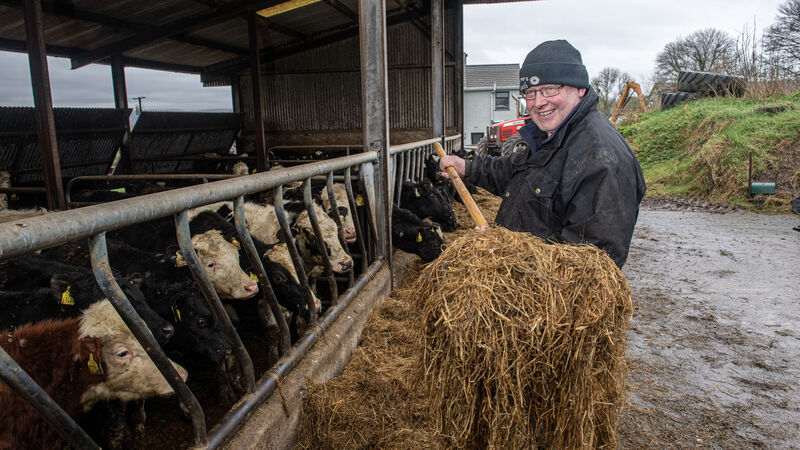
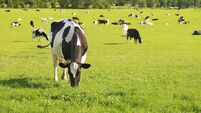
Beef farmer Ciaran Bartley is waiting for a dry spell on the way, so he can turn out his yearlings.
Weather has ensured I have not even thought about beginning grazing or spreading any fertiliser. Fields in east Limerick are totally saturated from the incessant rain, with nearly double the normal rainfall levels for February falling this year.
It is a big difference from last year when February came so dry I could travel even my heavy ground to spread slurry. I take it as a good sign, however, for the year ahead and will hinge on hopes we get a good summer after such a disaster of a year in 2023.
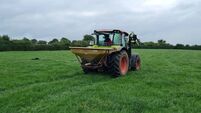
Once I see a dry spell on the way, I will prepare to turn out my yearlings in large volumes. I have good covers of grass with the early slurry I spread responding well, so I will hold back on chemical fertiliser as long as possible to get the most bang for my buck in terms of efficiency.
I am about to meet with my advisor and work through my fertiliser plan. I need to begin purchasing more high P & K compounds, as my latest soil test showed indexes have dropped a little bit over the past few years.
I did pull back on P and K purchases to some degree when the price of fertiliser skyrocketed in 2022, and now I have to make up some ground by reinvesting in the soil.
It is really no surprise, given how low dry matter was in the grass from July onwards, that the autumn grass had no feeding value in reality, given the amount of water content. I have many of my calves purchased for 2024, with 112 in situ now.
I plan to buy around 170-180 and generally try to be finished buying calves by mid-March. In my opinion, the early calf is the only one to purchase, given how they can utilise grass so much better in the first year.
I am paying similar money to last year for Friesian bulls, which make up the majority of my purchases, but early maturing breeds such as Angus are definitely back in price a good bit. They are probably getting closer to a price that makes more sense to buy them, but they need to be from good sources and have a higher-than-average CBV. If they are from a bull with poor carcass characteristics, I am much better off buying a Friesian.
I have historically focused on purchasing good Friesian bulls at three weeks of age, and to change to more expensive beef breeds will require a big change on my part, given the amount of extra money I would have to spend on calf purchases for two years before I see any extra potential return.
My average age of slaughter is quite low at the moment, with my Friesian steers killed at an average of 21.8 months over the past few years. One disadvantage of killing so early is that you can miss out on the price rises that typically come late in spring but I do have less meal feeding to do also.
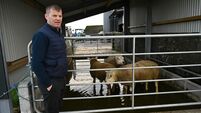
- Ciaran Bartley is a beef farmer from Caherconlish, Co Limerick, participating in the DairyBeef500 and Teagasc Signpost programme.