Implementing best practices in measuring bulk density for soil carbon stocks
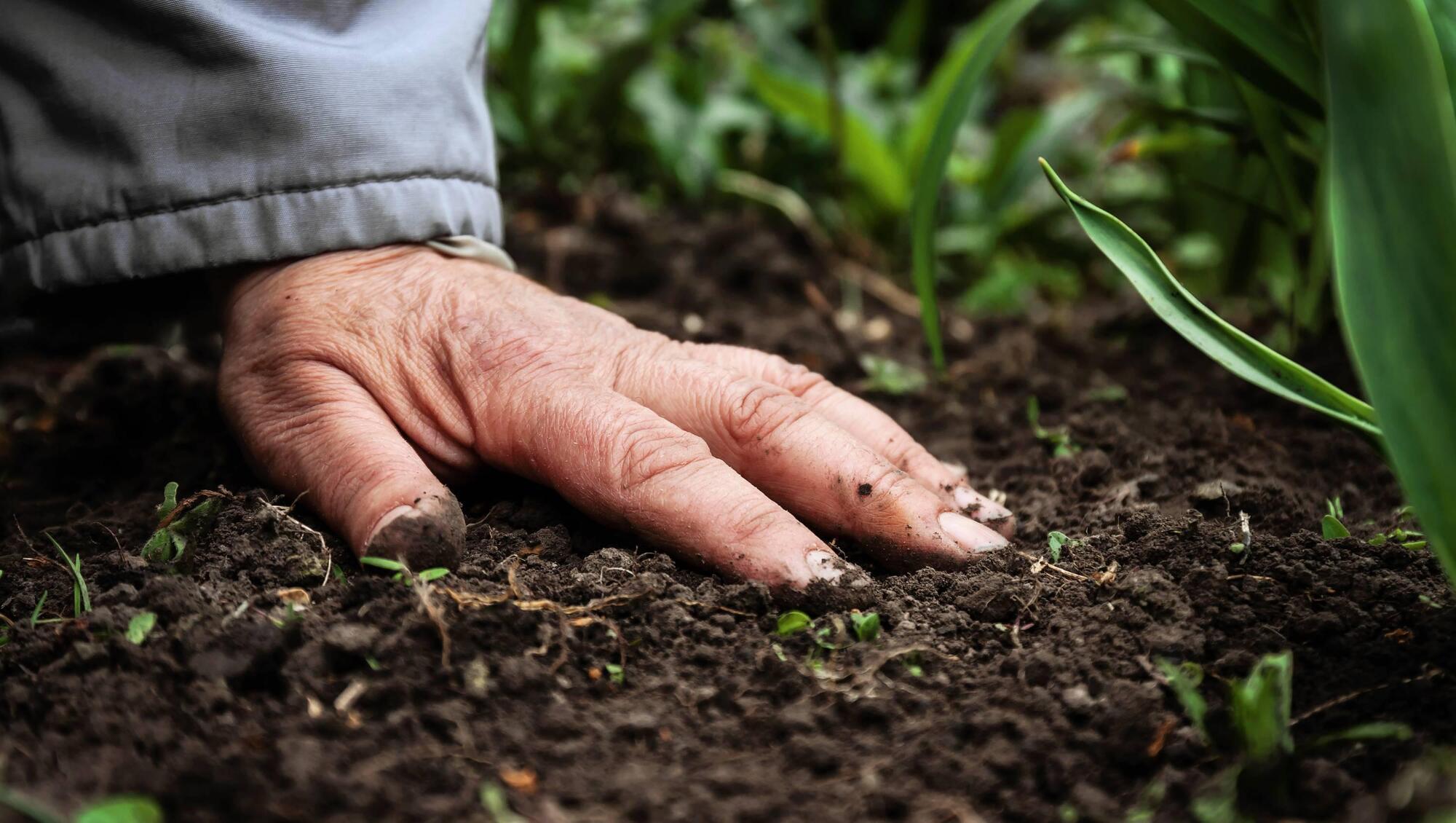
Quantifying changes in SOC, either carbon sequestration or losses into the atmosphere, requires accurate determination of soil bulk density.
Implementing best practices in measuring bulk density for soil carbon stocks

The research by Professor Owen Fenton and colleagues highlights the critical importance of soil bulk density estimations for SOC stocks, particularly in Irish grassland soils, which can have relatively high stone content. 

Teagasc has published research highlighting the consequences of not measuring soil organic carbon (SOC) stocks in Irish grassland soils precisely. 

Quantifying changes in SOC, either carbon sequestration or losses into the atmosphere, requires accurate determination of soil bulk density, which is only achieved by accounting for soil stone content (rock fragments higher than 2mm in size), Teagasc said.


The research by Professor Owen Fenton and colleagues highlights the critical importance of soil bulk density estimations for SOC stocks, particularly in Irish grassland soils, which can have relatively high stone content. 

Stones, which ranged in content from 0% to 36% in the soil horizons examined, are mainly inert and do not interact with soil organic matter, but have a much higher density than the active part of the soil. 

So if stones are not discounted from SOC stock calculations, it can lead to gross overestimations of SOC stocks. 

Accurate methods

Professor Owen Fenton, principal research officer at Teagasc Johnstown Castle, said: "To fully understand soil organic carbon dynamics, especially in the context of Irish grassland soils with variable stone contents, we need accurate methods for determining bulk density. 

"Stones are often incorrectly accounted for in bulk density calculations and can lead to overestimation of soil organic carbon by 18 - 388%. 

"Accurately measuring soil organic carbon and carbon content changes in soil over time requires more than the measurement of soil organic carbon concentration."

Teagasc evaluated five commonly used calculation methods and compared the resulting SOC stocks using data archived within three prominent soil databases, including the Irish Soil Information System (I-SIS), the Heavy Soils Programme (HSP), and the Soil Quality Assessment Research Project (SQUARE). 

Methods for measuring bulk density that do not break field-dried samples into fine (less than 2mm) and coarse material (above 2mm) through arduous sieving, overestimate SOC stocks by as much as 388%, whereas those methods that factored in these components were closer to reality.

Dr Karen Daly, acting head of the Environment, Soils and Land Use Research Department in Teagasc, said that this work provides a protocol for "implementing best practices in measuring bulk density for carbon stocks, and will minimise uncertainty and give confidence to the soil organic carbon stocks calculated for future carbon farming schemes".

More in this section

Farming

Newsletter

Keep up-to-date with all the latest developments in Farming with our weekly newsletter.

Cookie Policy Privacy Policy Brand Safety FAQ Help Contact Us Terms and Conditions

© Examiner Echo Group Limited