‘There is a real sense of community amongst organic farmers’
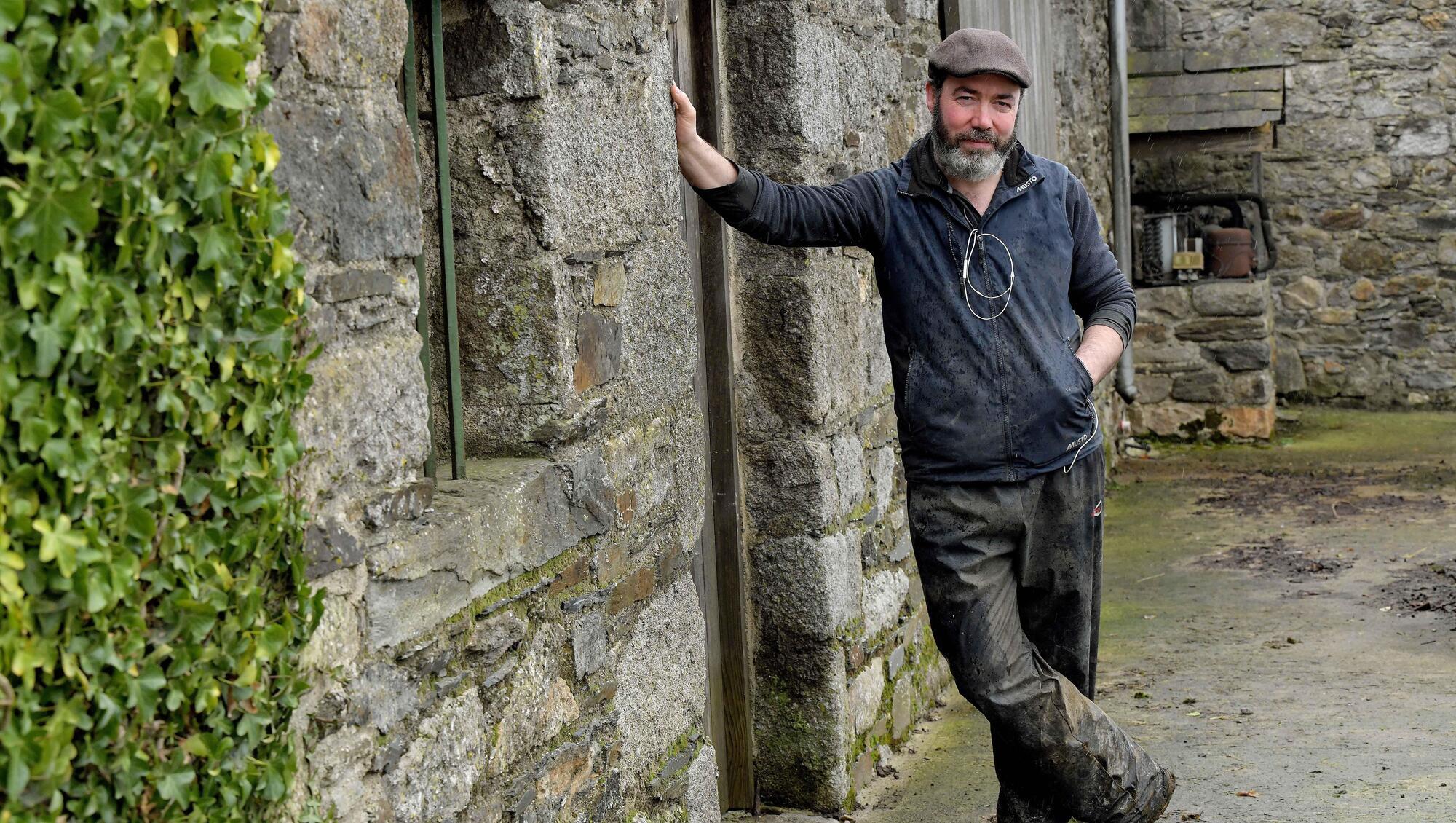
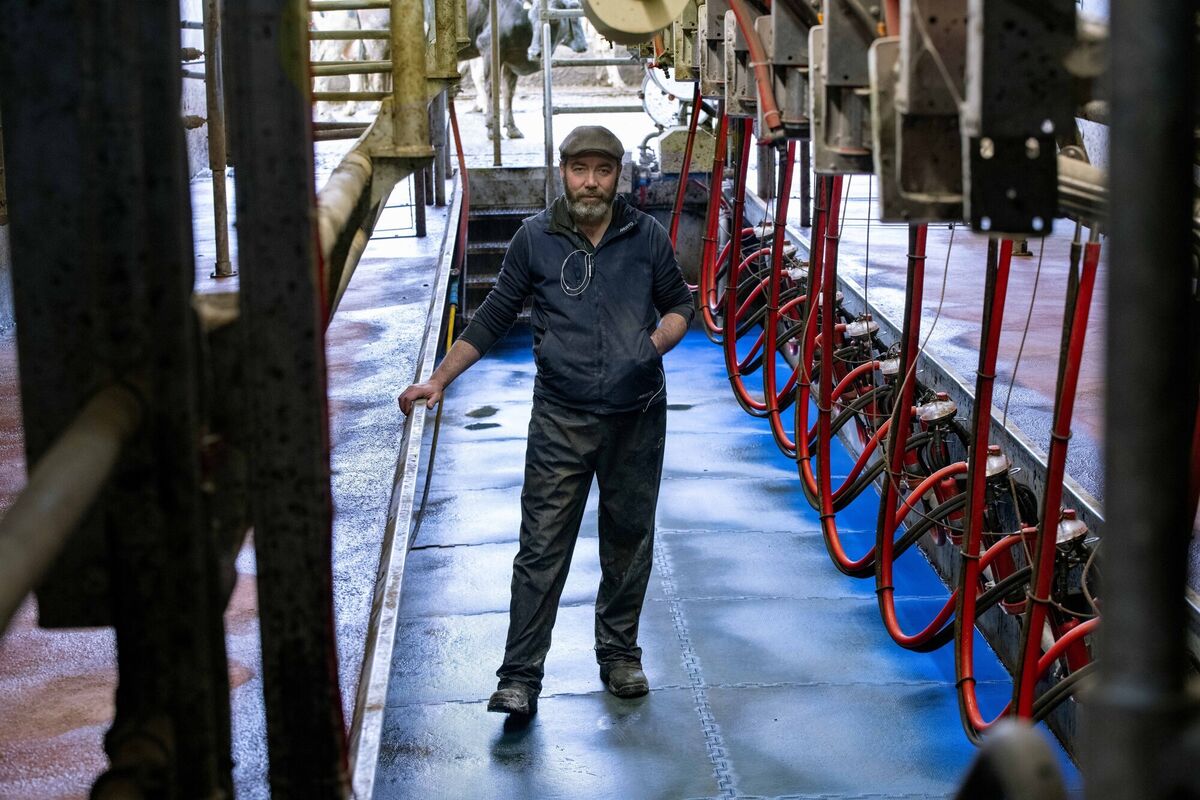
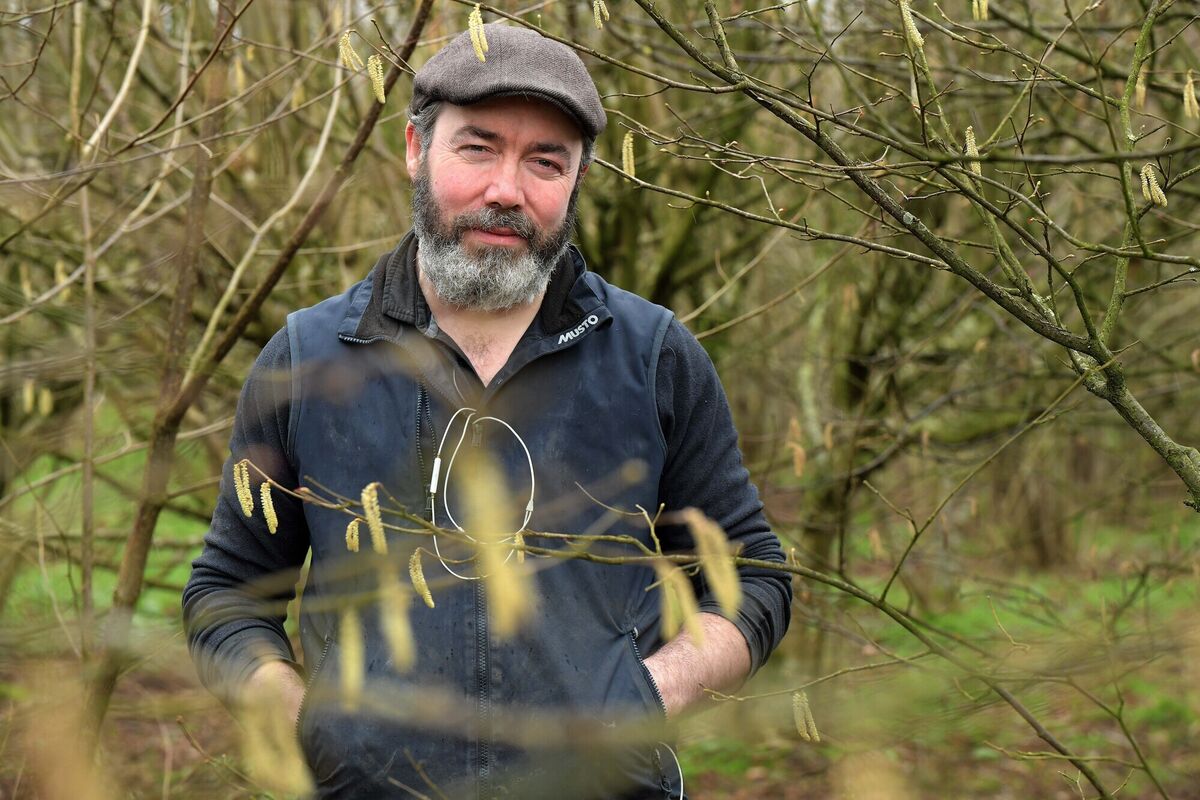
According to Mr Lynch, the 70 or so organic dairy farmers in the country are a “very resourceful group, and if we come up against roadblocks, rather than banging our head against them, we will find a way around”. Picture: Moya Nolan
Despite challenging input costs and a milk price that has “failed to reflect this” over the last couple of years, there is a “real sense of community” amongst Ireland’s organic dairy farmers, Gavin Lynch has said.
According to Mr Lynch, the 70 or so organic dairy farmers in the country are a “very resourceful group, and if we come up against roadblocks, rather than banging our head against them, we will find a way around”.
Mr Lynch is farming organically in Donard, at the foot of the Wicklow Mountains.
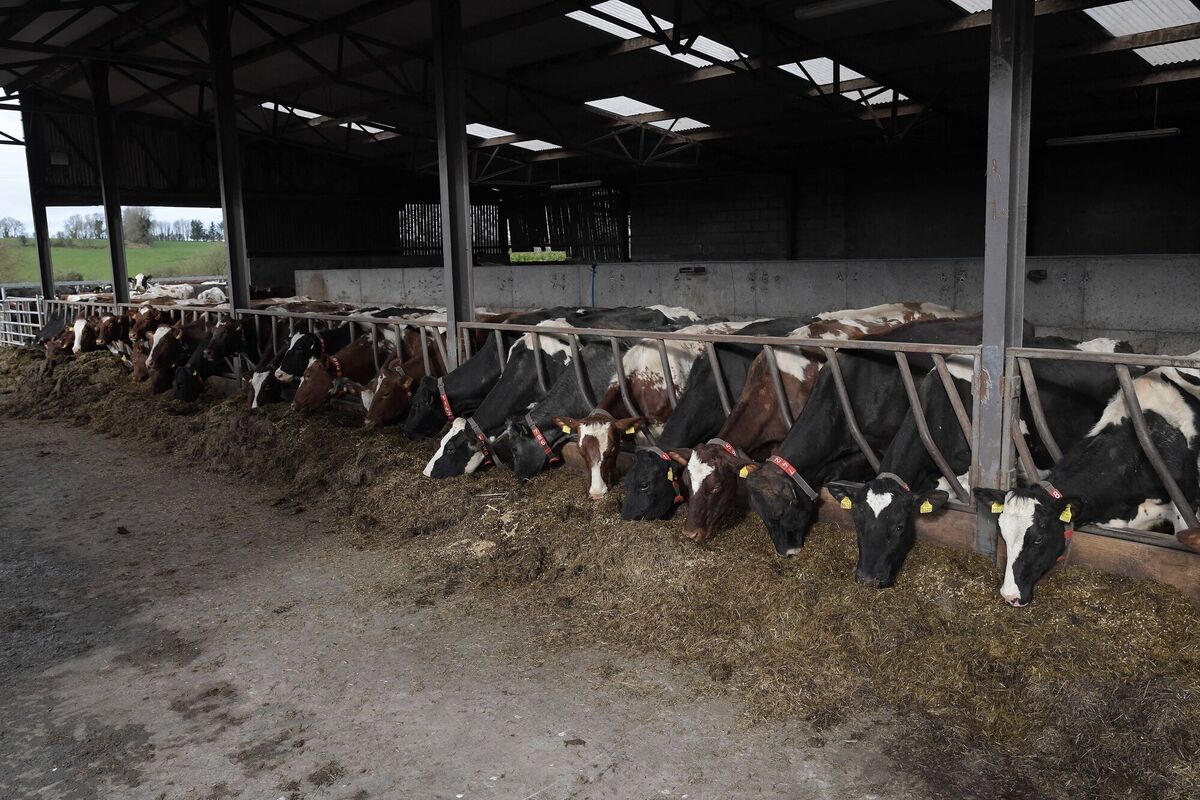
He has been full-time farming for the last 15 years or so, and now milks about 60 cows – a mix of Shorthorns and Holstein Friesians.
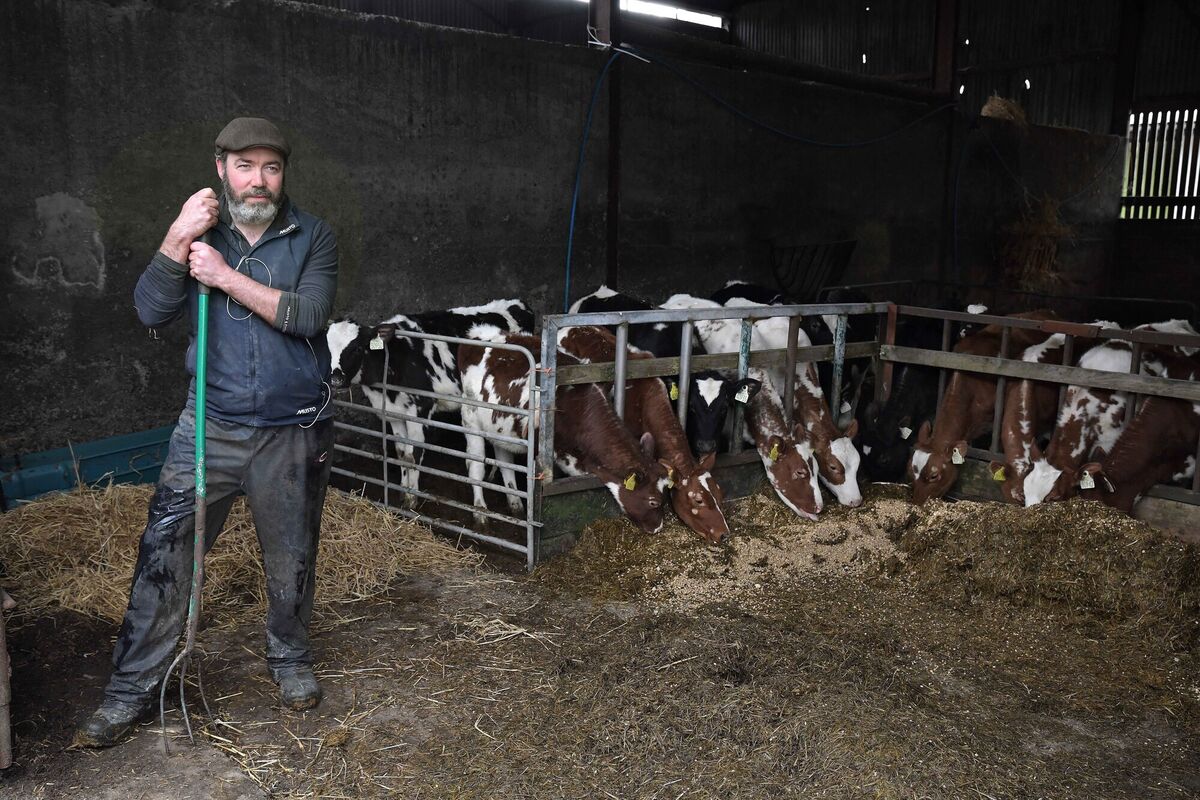
He admits that where he farms wouldn’t be a “dairy stronghold”.
“We’re on the high side, above sea level,” he explained.
“I often try to think back to what made us make the change to organic. I suppose I was very interested in environmental issues and the more I looked at some of the issues facing farming, I decided that organic farming could be a better way to go,” Mr Lynch said.
“There was a financial incentive as well, and the financial incentive is always great to get people to prick up their ears and take notice of other ways of doing things.
The conversion process really wasn’t that difficult for us. At the time, we weren’t heavily stocked, so it didn’t involve much of a change that way.
“We weren’t using a lot of fertiliser or anything, and the process was relatively straightforward.”
While his conversion was “relatively easy” – the level of ease “absolutely depends on your system”, according to Mr Lynch.
“At the time, we were out of milk for a few years, and we just had suckler cows, so we were straw bedding the cows anyway. Things like that were a help where there wasn’t that much of an adjustment.”
Community
The organic community at the time “was brilliant – that was one of the things that I really liked”.
“Organic farming kind of tends to develop in little pockets around the country, where you get one farm going organic and then you have a few neighbours looking over the fence thinking ‘so and so is doing all right, maybe there’s something to it’,” Mr Lynch continued.
“That kind of happened around where I am in Donard in the Wicklow Mountains. There’s a nice little pocket of organic farms around the area here, and so it wasn’t such an alien concept to anybody around what we were doing.
One of the things I really liked about when we did go organic was there is a real sense of community amongst the organic farmers, I felt.
“Anybody you approached was just always more than happy to offer advice and guidance on different problems you might face particular to organic farming.
“I think that’s still the case, even though the numbers have increased by a good bit; I think that’s something that all those new entrants to organics will find over the coming years - that there is a good community and a good spirit of trying to help others along the road.”
IOMS
Using his knowledge and experience in organics, Mr Lynch is leading the newly-formed Irish Organic Milk Suppliers Co-op (IOMS) producer organisation. The group of farmers who have come together to form the co-op and producer organisation are focused on engaging with their existing processors to improve prices, not on establishing any processing facilities themselves.
In January this year, IOMS was granted recognition by the Department of Agriculture, making it the first dairy producer organisation in the country.
Mr Lynch said that the focus is “on getting the organisation established on a professional and sustainable footing and realising our potential as a producer organisation”.
According to the department, a dairy producer organisation (DPO) is an “organisation formed by a group of farmers that carries a particular status under European law”.
“As long as a DPO complies with conditions set out in accordance with the European regulations and is recognised by the competent authority, it can take advantage of exemptions with respect to competition law which will allow the DPO to negotiate contracts, including price, for the delivery of raw milk on behalf of its farmer members,” the department said in a guidance document published recently on setting up a producer organisation in the dairy sector.
This potentially offers a considerable step forward for many farmers allowing them to negotiate from a position of market significance with a substantial volume of milk.
“This should enable more price transparency and open up opportunities for greater collaborative working with customers to unlock value for the benefit of all those involved.”
Imbalance
As chairman of this new producer organisation, Mr Lynch said that its formal recognition is an “important step towards addressing the imbalance that exists between producer and processor in the organic dairy sector”.
“Organic dairy farmers have been squeezed very hard over the past two years with high costs, and the milk price paid to most producers has failed to reflect this fact,” Mr Lynch said.
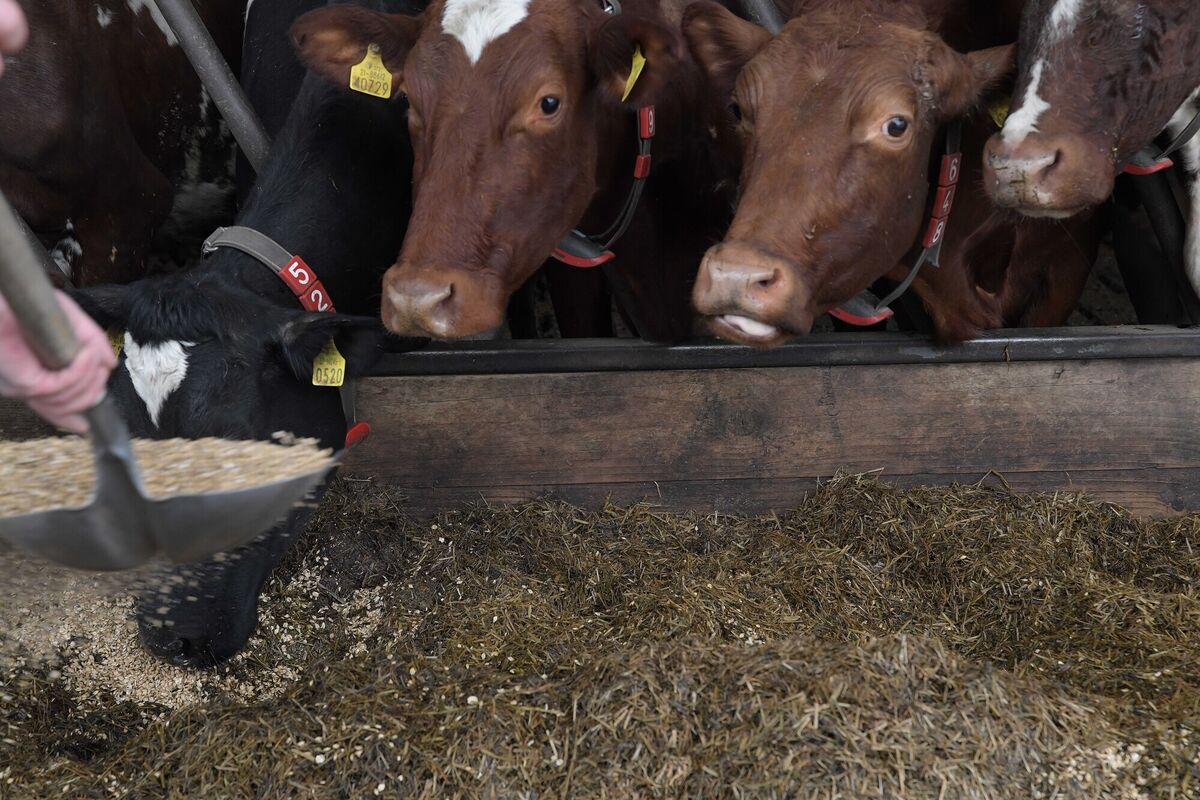
Energy prices were a significant problem for organic dairying systems as they have been for conventional farms; and while Mr Lynch said organic farms “weren’t affected hugely by the increase in fertiliser prices, organic feed prices absolutely went through the roof”, particularly as a result of the war in Ukraine.
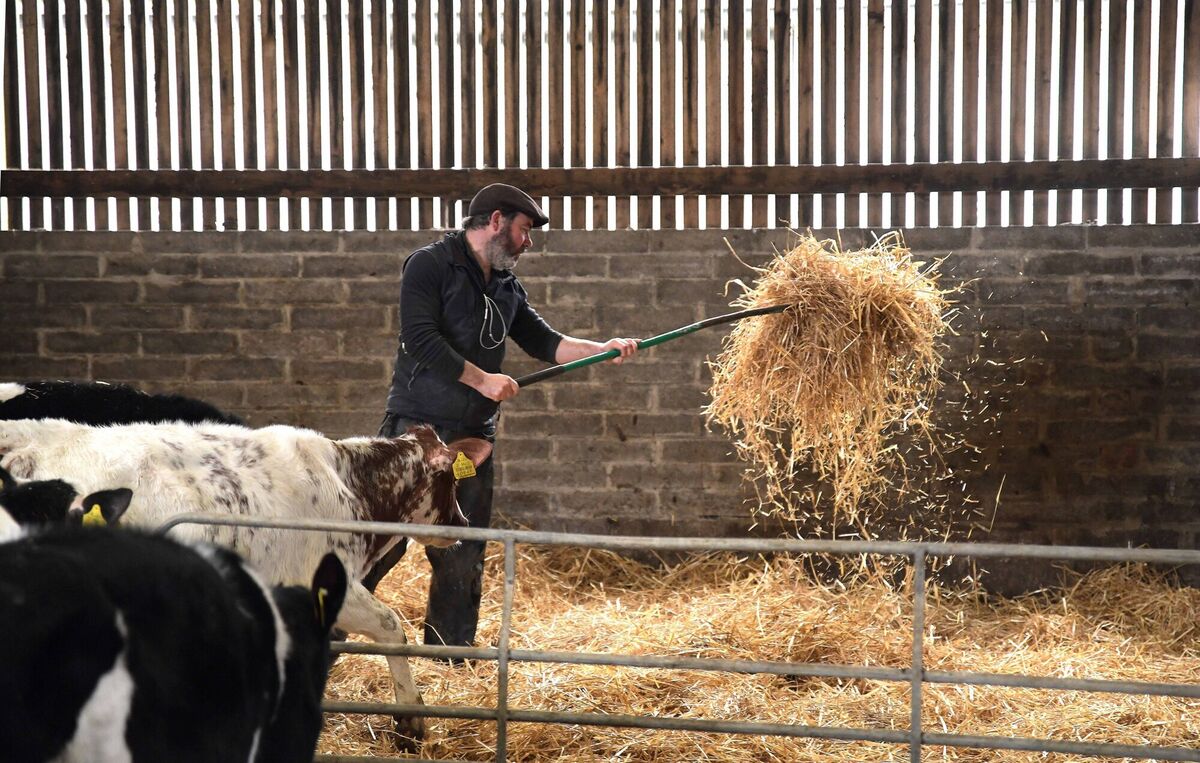
“Our feed price went from averaging €500/t to over €900/t at times,” he continued.
His farm has “been up to now predominantly winter milk, so we have calved all our cows in the autumn”.
“We’re kind of slowly moving away from that to more split calving, so we’ll calve some in the autumn and some in the spring,” he said, adding that “the cost of feed has driven that”.
All the feed the animals get has to be certified organic, and “absolutely we’d have them out to grass as soon as we can, for us being that bit higher up it’s definitely later in the Wicklow Mountains than in other parts of the country”.
Outlet for milk
Mr Lynch said there has “always been an outlet” for his organic milk.
There are only a handful of processors of organic milk in the Republic of Ireland, including Glenisk and Aurivo.
Prices received by producers have “been a mixed bag”.
“Back when conventional went through the roof, the organic price stayed relatively stable, and I think organic farmers didn’t get overly upset about it,” Mr Lynch said.
Generally, the advantage of organic was that it was relatively price stable, and what you’d lose on the roundabout you’d make up on the swing; you weren’t subject to the same fluctuations.
“Unfortunately, the price has failed to track with input costs. Particularly for winter milk producers, it’s very tricky at the minute, and it’s hard to make it stack up.
“That needs to be addressed by the processors.”
According to Mr Lynch, on milk price, it is “difficult” to say exactly what farmers need to receive; “there are many different systems and supply arrangements, from winter milk to flat supply to spring calving”, he said.
“In simplest terms, I would say that someone producing a flat supply throughout the year should be getting 70c per litre. If we split this for winter and summer milk, there should be a significant premium above this price for the winter milk,” he said.
“If it doesn’t pay farmers to calve cows in the autumn then they’ll simply stop doing it and we can forget about keeping liquid milk, yoghurt and other fresh products on the shelves year-round.”
Farmers currently are “not anywhere near” getting that price, “probably over the last year the average organic milk price runs somewhere around 55c, or a bit below it”.
“That falls a good way short of what would be needed to make organic dairying an attractive prospect,” according to Mr Lynch.
Investment
These producers are “struggling”, but organic farmers are “very reluctant to go back to conventional farming because you probably invested a lot in terms of the knowledge and everything to farm organically”.
“A lot of people like myself, when you start down that road, you get to like the system of farming and it would be difficult to move away from that purely on a commercial decision,” he said.
“That has created maybe a bit of inertia among organic dairy farmers in that they’re very reluctant to move away from it. But still, at the end of the day, you can’t keep doing something if it’s not delivering the return that it should be.”
Overall, there is a “good domestic market” for organic milk, but the “biggest problem has been trying to keep an organic product on the shelves all the time”.
“You can’t build a good organic consumer base if you can’t keep a product on the shelf for people every time they go to the supermarket,” he said.
“If they can’t buy organic milk every time they go, they’ll find another product and get used to purchasing their product so that’s a fairly big failing on behalf of the processors of organic milk.”
For the future of the sector, Mr Lynch said “if we want to bring in younger generations into the industry, it has to be attractive”, and switching to organic production can help in “solving an awful lot of issues” around the sector’s environmental sustainability.
'Make a difference'
He hopes the IOMS co-op and producer organisation can “make a difference” for organic dairy farmers.
“Outside the farm gate, we can provide effective representation and engagement for organic dairy farmers with industry stakeholders, and as a registered producer organisation, we can negotiate milk price and supply terms as a collective on behalf of our members with the processors,” Mr Lynch said.
“We can also work to improve things inside the farm gate, from looking at ways to reduce feed costs to guiding more research into organic dairying; there is huge scope to make a positive impact here also.”
Mr Lynch said the producer group “kind of formed out of necessity”.
“A group of farmers came together, realised we need to do something - we can’t keep doing what we’re doing and expecting anything different,” he said.
We investigated lots of different options open to us, but the producer organisation is one that’s widely used in Europe to give farmers more leverage when dealing with processors.
“It seemed to be the ideal vehicle for us to try and improve our situation.”
Currently, there are between 60 and 70 members of the organisation, representing many of the organic dairy farmers in the country.
The “main priority” of the organisation is to get a better milk price for organic farmers, Mr Lynch said.
The establishment of this organisation also presents an opportunity for the processors, he explained.
The organisation has been contacting processors, and Mr Lynch is “hopeful that we get some good engagement in the next few months”.
“There is a lot that the producer organisation can bring to the table, such as mapping the production of organic milk, guaranteeing minimum supply volumes at certain times, and providing a forum for processors to relay their issues and concerns,” he added.
'Determined bunch'
According to Mr Lynch, organic farmers are a “determined bunch”.
“I have absolutely no doubt there’s a great future for organic dairy in the country, and there is huge untapped potential there,” he explained.
“I would have absolute confidence that regardless of what happened in terms of dealing with the existing processors, we’ll definitely find a way to tap into that potential.”
Late last year, it was announced that 12 local and national proposals to promote organic production were awarded funding of €1.1m by the Department of Agriculture.
Among the successful applicants was the Irish Organic Milk Suppliers Co-op.
Mr Lynch said they were awarded the funding to produce a business plan and strategy for the co-op / producer organisation, which he said the committee hopes to have finalised in the coming weeks.