Fodder situation 'relatively stable' - but risk of shortages is weather-dependent
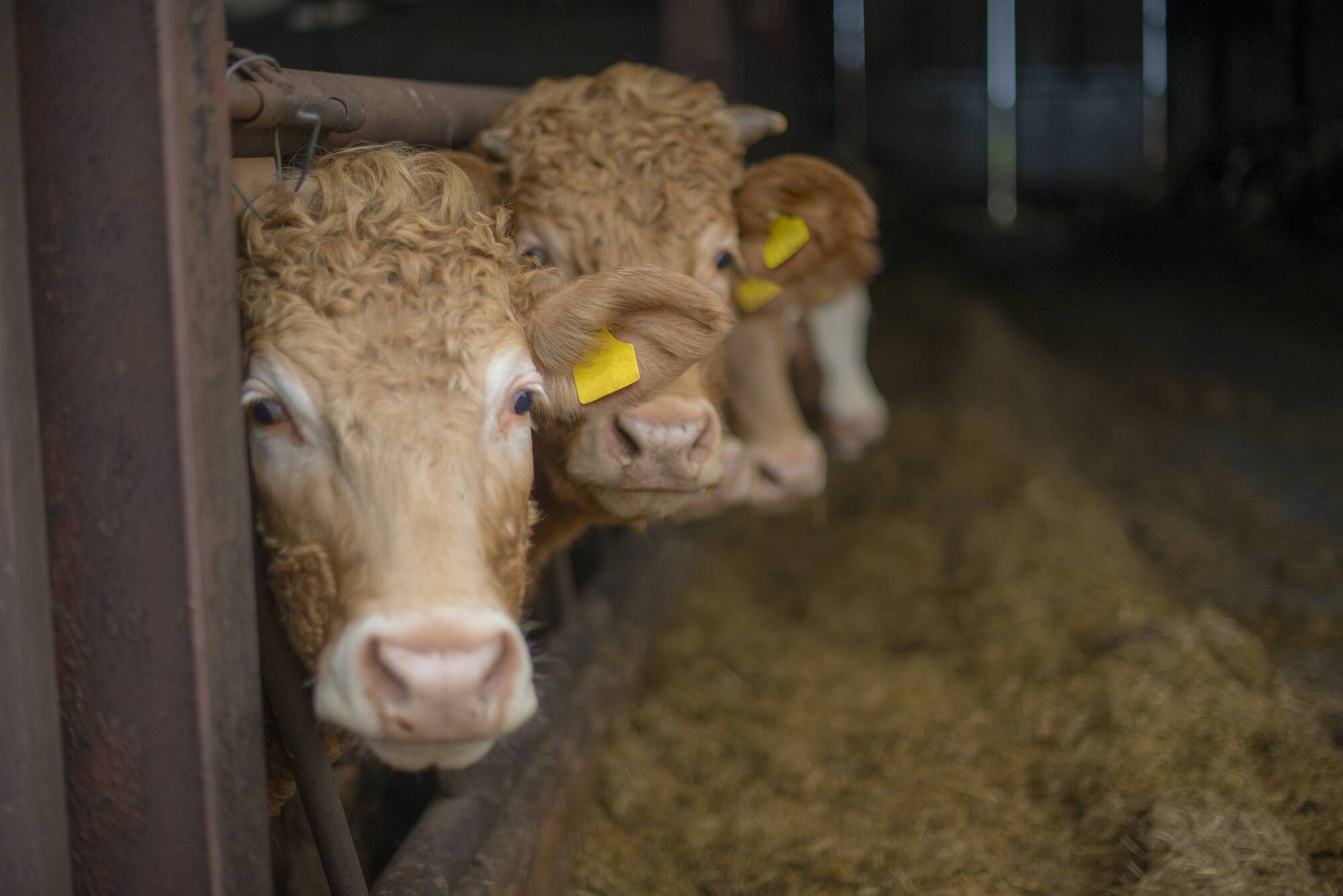
According to Teagasc, beef farms are judged to be in a relatively secure position, with feedback from the commercial farms participating in the knowledge transfer programmes that they are in a good position for feed at present.
The fodder situation is relatively stable on both dairy and beef farms, but the risk of shortages is dependent on spring weather and managing turnout of livestock to grass, Teagasc has said.
A meeting of the National Fodder and Food Security Committee (NFFSC) took place this week to update members on the livestock fodder and feed situation on farms, with Joe Patton and Pearse Kelly from Teagasc outlining a number of key points.
It was estimated that 15% of farms could see significant deficits if February/March weather conditions are poorer than normal.
They also pointed out that silage is available to purchase, and that some farmers had included the option of purchasing fodder in their winter feed budgeting plans.
According to Teagasc, beef farms are judged to be in a relatively secure position, with feedback from the commercial farms participating in the knowledge transfer programmes that they are in a good position for feed at present.
Head of the Grassland Research Department in Teagasc, Michael O’Donovan, presented the grass growth figures for 2023, which were in line with the 10-year average.
He particularly pointed to the grass growth over the winter period, which has yielded strong pasture covers on farms.
This grass will be available for grazing once cows calve and are turned out.
It was also said that farmers should plan for early nitrogen and slurry applications to improve spring grass production, while following best practice guidelines on managing risks of nutrient losses.
Michael Hennessy, head of tillage knowledge transfer, has urged growers to carefully inspect winter crops, which are patchy due to the rainfall levels over the winter.
He said it might not be profitable to replant.
In terms of the upcoming spring crop planting season, he advised growers to maximise the planting of winter wheat up to the middle of February, spring wheat, beans, and oats, and to explore forage market opportunities.
Given that seed availability will be very tight or may not be available when needed, he advised farmers to assess their seed requirements as soon as possible and order from their merchant.
Planting delays in spring 2023, challenging harvest conditions, and a reduction in the winter planted area have combined to create seed shortages for tillage farmers this spring.
Estimates, Mr Hennessy explained, suggest that the area planted under winter cereals is approximately 78,000-80,000 hectares - 60-62% of the planned normal planting area.
Additionally, issues around harvest time, including challenging harvesting conditions, lower yields, and a higher level of rejections, have reduced the availability of Irish-grown seed stocks, creating the need to look elsewhere to source supplies.
Adding to this, the same challenging weather conditions experienced in Ireland have reduced the availability of seed supplies in the UK, Denmark and Nordic countries, meaning that seed houses are having to look further afield to the eastern bloc countries within Europe to secure seed.
The concern of straw availability will give rise to farmers prioritising straw for calving and lambing, according to Teagasc.
There are some reports of straw being imported, Teagasc said, and the potential risk around issues such as potential blackgrass seeds was highlighted as needing consideration when handling and moving imported straw.
The committee discussed how greater ongoing attention to the national requirement for straw and ongoing monitoring of stocks in a similar way to fodder would be beneficial, as would the ongoing efforts to increase the overall tillage area.
The potential for linkages between tillage and livestock farmers for supply contracts of forage crops is also an important option, the committee agreed.