What level of rent is justified economically for farmers given the difficult year that passed?
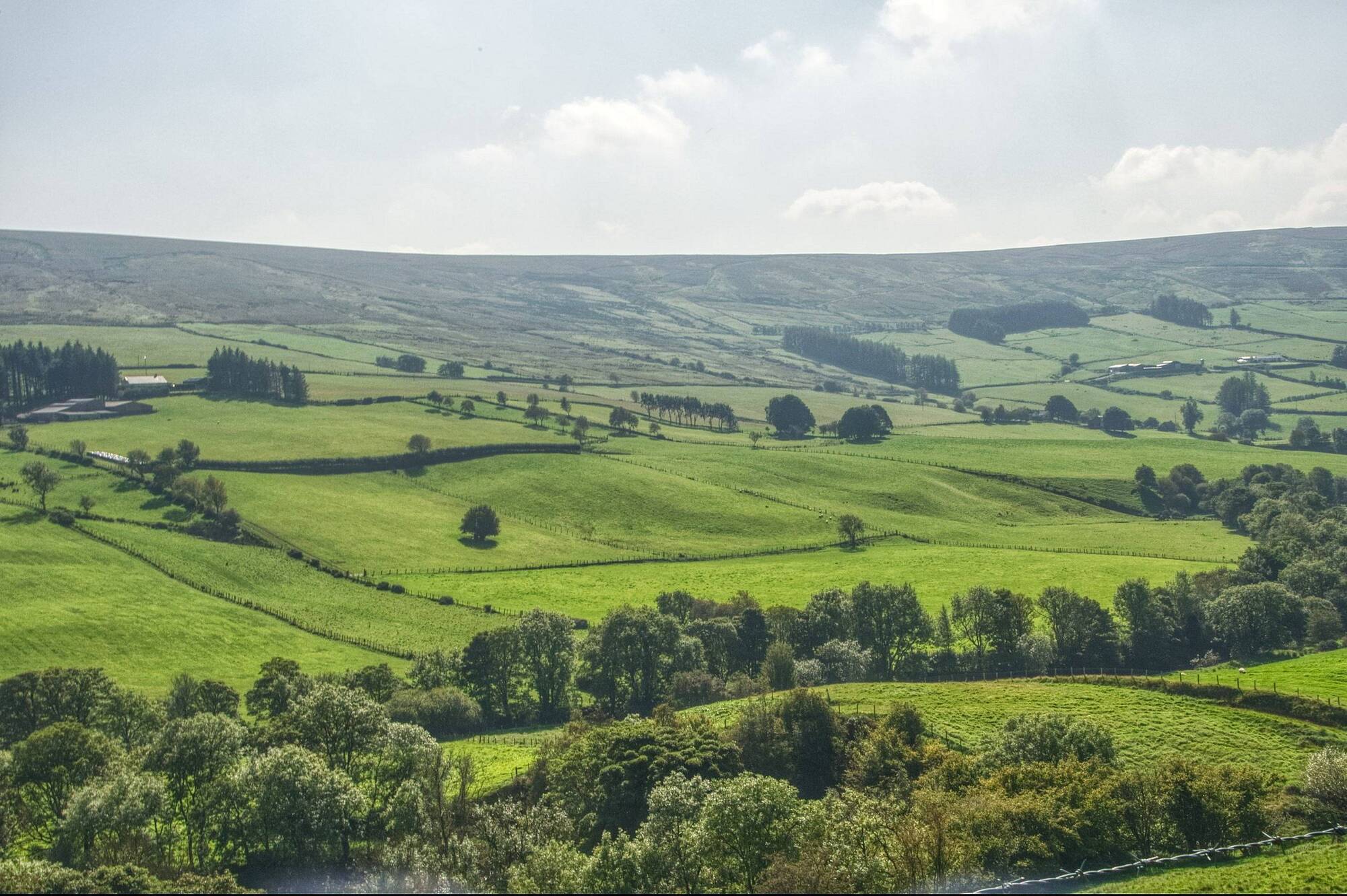
In a race to the bottom farmers vie against each other in a game of chicken as to who is willing to rent land at prices such that there is little or no return
What level of rent is justified economically for farmers given the difficult year that passed?

Good land bought in 2021 for €12,500 per acre, with an expected interest rate of 4% over a 15-year term, will have total repayments of €16,643 whereas good land bought in 2023 at €17,500 per acre at a 7% interest rate over a 15-year term will have total repayments of €28,313. 

The land letting market kicks off again this time of year and there is little let up in the rent commanded. However, there does seem to be a reshuffle of the deck chairs as tenants are rejecting the increase in rents demanded and there is anecdotally more change in tenants this year rather than a straight renewal of tenancies. 

For many farmers it's hard to gauge what level of rent is economically justified given the difficult year that passed, and with little certainty as to where profits are heading. For many years, farm profits were somewhat predictable due to relative stability in terms of both input costs and output prices and in some respect there was a correlation between bad weather and a pay-off in respect of increased prices compensating for those events. 

Last year that all went askew with the perfect combination of ill winds. This has no doubt injected some realism into the prices farmers are willing to pay for land rent. 

Provisional estimates by Teagasc put the average dairy farmer profit for 2023 at around €540 per acre. However, each farm is different and those profits take no account of the farmers' specific debt and labour profile. Following the numbers theoretically if one was willing to work for nothing and already had the cows and farm infrastructure in place then the dizzy rents being demanded (and perhaps not paid) could be justified. 

At the end of the day, the land rents being paid must make sense for both the landowner and the farmer farming the land. In a race to the bottom farmers vie against each other in a game of chicken as to who is willing to rent land at prices such that there is little or no return, or worse still that there is a negative return. 

Taking 2023, estimates for tillage farmers put profits at about €40 per acre, and cattle and sheep farmers fare not much better.

Dwelling on 2023 doesn’t do much good and there is cause for renewed optimism for 2024, nonetheless it is worthwhile bearing the year in mind as an anchor when it comes to assessing what rented land is worth. The main drivers of land rent have in recent years been both from the dairy industry and to a degree from young farmers looking to establish entitlements from the national reserve. 

For many dairy farmers, the quest to continue expansion has lost its appeal more particularly because investment in expansion in terms of physical infrastructure consisting of stock, buildings, slurry storage, farm roadways and machinery can potentially be undermined at the stroke of a pen as has been witnessed in 2023. 

Land market

Regarding movement in the land market, the main drivers anecdotally are farmers looking for ground to hold their existing stocking rates (after factoring in banding changes and the change in overall nitrates limit from 250kg to 220kg). Yet a further point of agitation for farmers is the risk that the derogation can be pulled altogether in which case high land rents will be uneconomical where the stocking rate is adjusted down to a new lower base level. 

On the land sales market side, there has equally been a notable uplift in the prices being garnered. However, the increase in the cost of finance over the past year or so also has a major bearing on the lifetime cost of acquiring land which is making land purchase doubly expensive. 

Take, for instance, good land bought in 2021 for €12,500 per acre. With an expected interest rate of 4% over a 15-year term it will have total repayments of €16,643 whereas good land bought in 2023 at €17,500 per acre at a 7% interest rate over a 15-year term will have total repayments of €28,313. 

Of course, the interest rate rises in 2023 will also affect existing land loans on variable interest rates but the point here is that the total repayments either monthly or over the term of the loan will have risen hugely both as a result of the increase in the underlying land cost and the increase in the interest rates. 

For farmers taking the plunge either renewing or taking on leases at heightened land rents or indeed purchasing land, knowing your long-term underlying profits and your repayment capacity, or how those figures may be affected by future regulatory changes, are key metrics that must not be overlooked.

More in this section

Farming

Newsletter

Keep up-to-date with all the latest developments in Farming with our weekly newsletter.

Cookie Policy Privacy Policy Brand Safety FAQ Help Contact Us Terms and Conditions

© Examiner Echo Group Limited