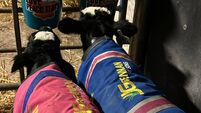
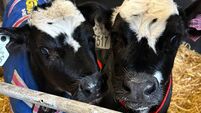
Heifer hygiene is extremely important for mastitis control
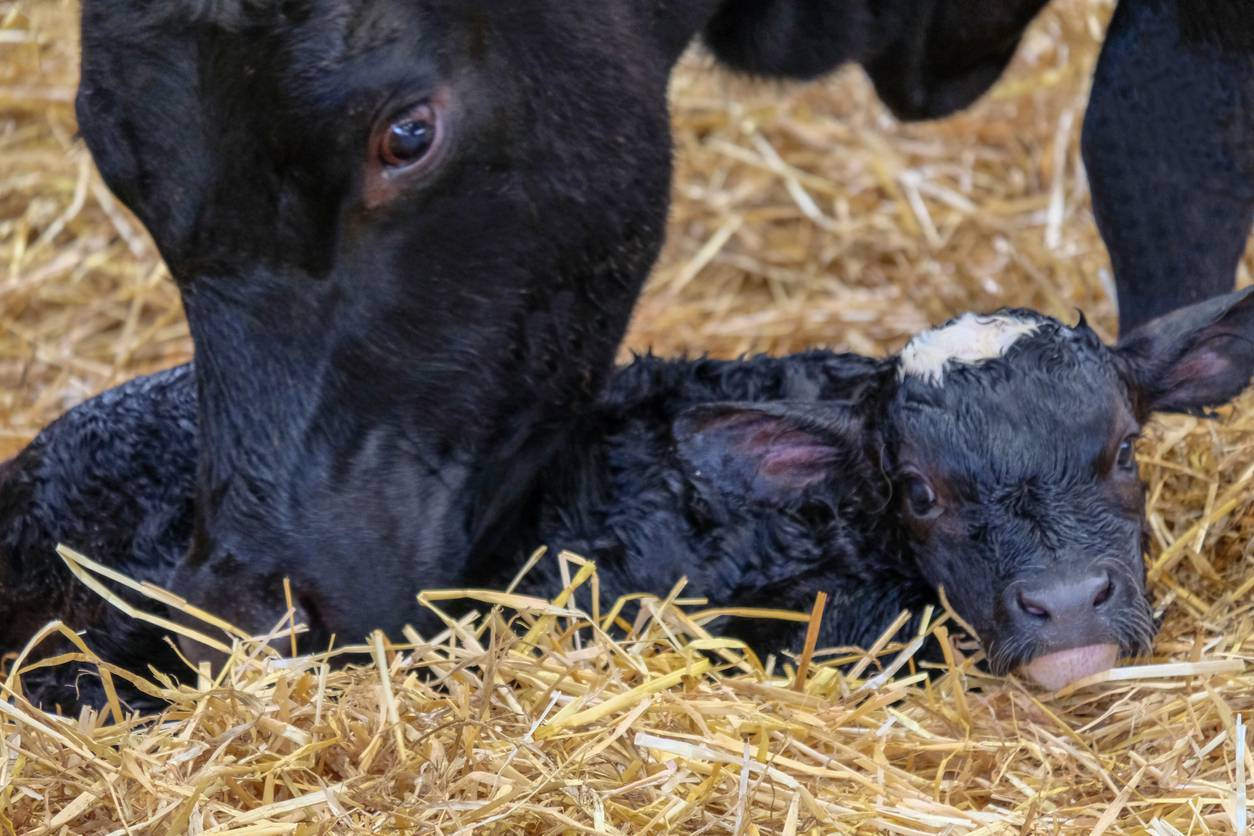
Twice a day scrapping and liming of cubicles is the gold standard for heifer hygiene throughout the housing period.
Just like most of us in January, the word training is widely used and also when it comes to heifer training, where the gym is replaced with the parlour.
It is a huge transition period for these first-time mothers and we must make it as easy for them as possible.
We started our heifer training this week on my five heifers in calf to sexed semen.
We had a few empty cows lead the way into the parlour searching for feed and the heifers reluctantly followed suit.
Once in the parlour, we gave them some dry cow ration and kept things as calm as possible.
On the first day, we didn’t start the parlour, we only teat sprayed them and let them out again within 10 minutes.
The second day it’s amazing how they knew exactly where the feed was and walked in without much hesitation.
We did turn on the parlour on the second day and it didn’t seem to phase them.
The plan is to continue to train all of the heifers in this way and to teat spray their teats at least three times a week until calving.
A 2009 New Zealand study showed that using teat spray in this tri-weekly manner reduced Strep Uberis infection in heifers and showed it was a management tool for the prevention of heifer mastitis.
Heifers are most vulnerable at this time in their pregnancy to mastitis and implementing preventative strategies now will have a positive knock-on effect on their longevity in the herd.
Heifer hygiene is extremely important for mastitis control, at times on farms they may be housed separately from the cows and perhaps in facilities that may not have as high hygiene standards.
Twice a day scrapping and liming of cubicles is the gold standard for heifer hygiene throughout the housing period.
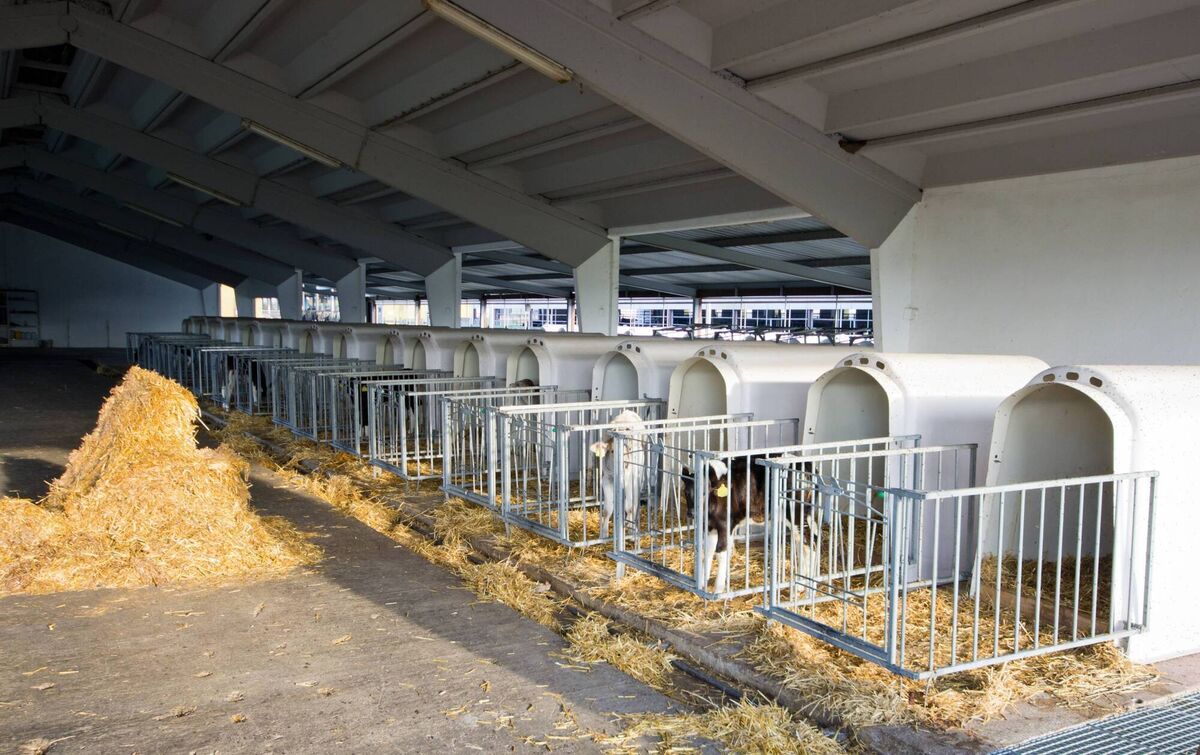
As with cows the three weeks before calving are particularly high risk for the establishment of mastitis due to the teat canal increasing in size and the natural teat seal being compromised.
The immune system is naturally suppressed around the time of calving adding to the risk factors for mastitis.
Space plays a huge factor in a heifer's stress management, providing at the very least one cubicle per heifer, adequate feed space of 70cm per animal and loafing space or “breathing space” as I like to call it to escape any nasty characters.
This three-week increased period of risk around before calving is possibly in fact now or not too far in the future for heifers on the farm meaning hygiene is crucial.
When parlour training the use of an external teat sealer can be used on all four teat ends which forms a temporary added barrier to bacteria entering the udder via the teat canal.
This external sealer needs to be reapplied in the parlour every five or six days to give protection over this increased pre-calving period.
It is applied like a teat dip using a cup to cover each teat, they are usually acetone-based so be warned the parlour may smell a little like a nail salon.
Internal sealers are used on heifers on certain farms when deemed appropriate under veterinary advice and consultation.
The data that milk recording gives us can be used to analyse heifer somatic cell counts (SCC), showing which heifers calved into the herd with an SCC of over 200,000.
The figure is easily extracted from the Cell Check farm summary report after the first milk recording of the year, located at the bottom of the report under “New Infection during the dry period”.
The target is <15 % of heifers to calf with an SCC of over 200,000 but for this figure to be relevant a milk recording needs to be performed early in the spring within 60 days.
It is a good idea not to put off the first milk recording until perhaps all the cows are calved as it will screw with the dry period infection figures and perhaps an issue in the dry period may be missed in the data.
If this figure is >15% or you remember excessive cases of clinical heifer mastitis last year talk to your vet on prevention for this calving season.
Booking an AHI Dry cow consult next autumn with your vet to go through dry period hygiene protocols is an option to keep in mind.
If you are now eligible for the Dry Cow Consult, the lactation consult may be of use if high cell counts become an issue in early lactation, all information is available on the Animal Health Ireland website ( www.AHI.ie).
For this calving period, it is critical to focus on the basics, keeping hygiene protocols to a high standard especially now coming up to calving and also to begin or continue with parlour training to make the transition to the milking herd as stress-free as possible.
It will be an exciting week on the farm with the arrival of our first calves, I also had my first call to a calving this week at work which is always a little shock to the system.
The adrenaline kicked in immediately and it’s like riding a bike, it all comes back to you.
It can be an anxious time for both vets and farmers right before spring kicks off, it’s important to use this valuable time not to worry but to rest and prepare the body for the long days ahead.
I had a lovely relaxing weekend in Dublin for Nollaig Na mBan doing just that and it was so good for the soul.