Taking part in BirdWatch Ireland's garden bird survey helps to guide conservation
Survey co-ordinator Brian Burke said it is something a person can do with a cup of tea looking out the window of their kitchen, washing the dishes or filling a kettle with water
Taking part in BirdWatch Ireland's garden bird survey helps to guide conservation

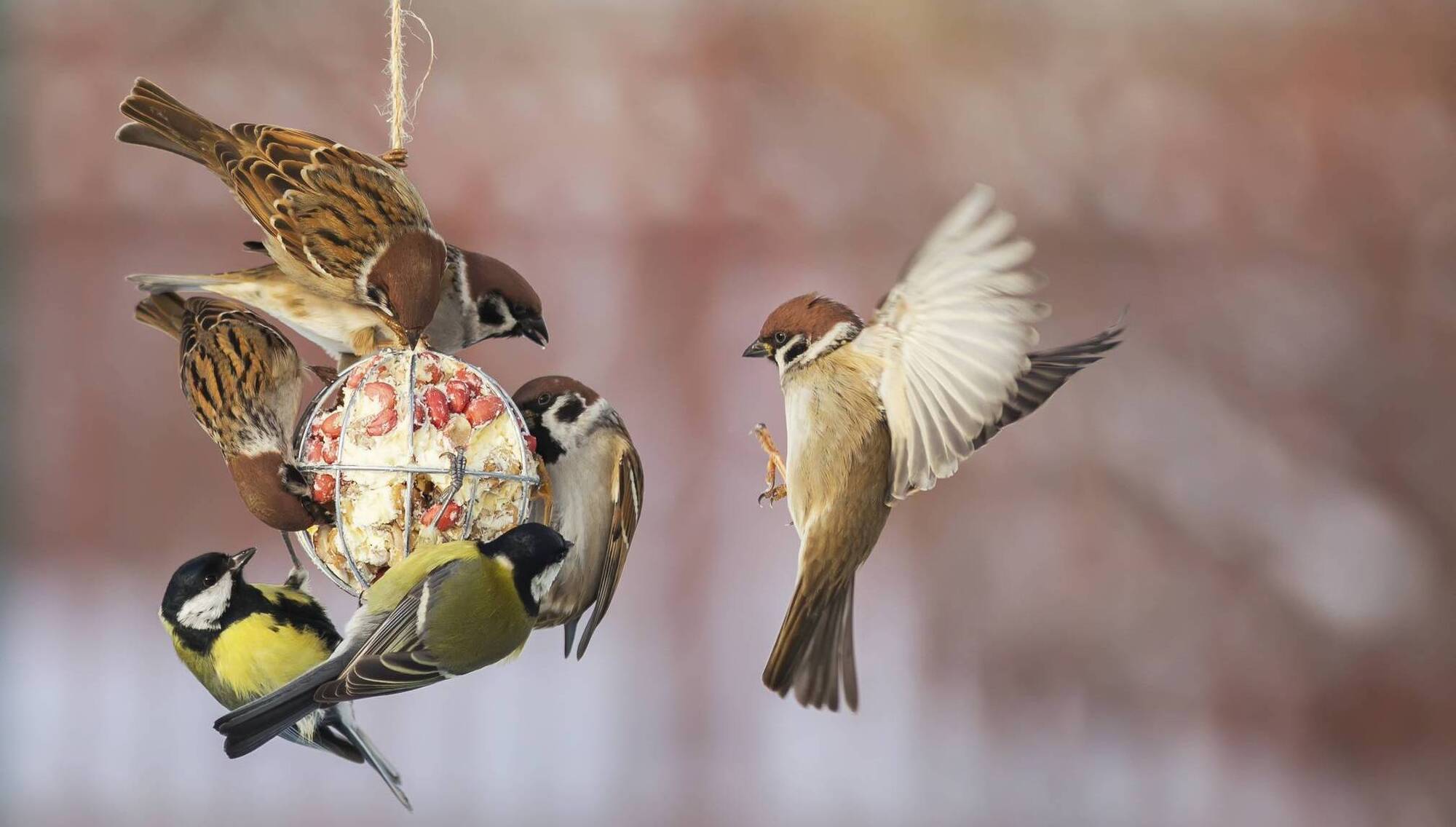
Putting bird food out a few days before any snow arrives gives the birds a chance to realise where it is and where to go when the ground freezes over.

The season of giving is providing people with a chance to thank the birds of Ireland for bringing joy into their lives during the year.

On spring mornings, they create a soundtrack of song, and on drab winter days, they brighten gardens. Participating in this year’s Irish Garden Bird Survey—the most popular and longest-running citizen science survey in Ireland—is one way people can show how much birds are appreciated.


Organised by BirdWatch Ireland, it began last week and will continue countrywide until February with people involved from all walks of life, including farming.

Now in its 35th year, the project enables the public to observe and record birds in gardens, farmyards and school grounds, and on buildings, trees and other locations. The collected data provides an insight into how different species are doing and helps the organisers to identify current threats and future conservation priorities.

Survey co-ordinator Brian Burke said it is something a person can do with a cup of tea looking out the window of their kitchen, washing the dishes or filling a kettle with water. 

CLIMATE & SUSTAINABILITY HUB

“People are always watching their garden birds during the winter anyway. That’s when the garden bird numbers peak. The birds are driven to gardens to look for food and people might be inside a lot more because the weather isn’t as good,” he said.

Mr Burke said BirdWatch Ireland is just asking people to go that extra step by writing down the details of what they see.

Previous results

“The impact of the data collected by participants over the past 35 years has been huge. Thanks to them, we now know that robins, blackbirds, and blue tits are the most common garden bird species in Ireland.

“We know that species such as the great spotted woodpecker are on the rise. We know that the breeding Greenfinch numbers have plummeted by 48% in recent years. That loss that can be almost entirely linked to trichomoniasis—a fatal disease caused by a microscopic parasite which predominantly affects finches,” he said.

Last year, the robin came out on top again in the survey, having been seen in 99% of gardens. But it was pushed to second place by the blackbird in Wicklow, Offaly, Kildare and Antrim. The mild weather over much of last winter meant many species were similarly widespread as in previous winters.

Blue tits and magpies were observed in over 90% of Irish gardens, while great tit, chaffinch, house sparrow and goldfinch were in over 80% of these locations.

It was the second-best year on record for house sparrows, likely due to a bumper breeding season. The species is on the ‘Amber list’ of Birds of Conservation Concern and the increased sightings were welcome. Starling and wren were also on the Top 10 list.

Mr Burke said despite temperatures being mild overall, there seems to be more storms and multiple short snowy spells in recent years. These tend to deplete birds’ fat reserves and put them under real pressure.

Noting that song thrush appeared in an extra 12% of gardens last year owing to the snowy weather, he said these are the times when birds really need food and water. Putting these out a few days before any snow arrives gives the birds a chance to realise where they are and where to go when the ground freezes over.

Mr Burke said some rare species such as bramblings, lesser whitethroats, black redstarts, snow buntings, and ring-necked parakeets were also spotted in small numbers in Ireland last winter.

Though the weather was mostly mild, a few short spells of snow drove birds into gardens in higher numbers. Birds in the thrush family are often the first species to be affected. They include song thrush and mistle thrush, migrant redwing from Iceland and fieldfare from Scandinavia.

Value of surveys

Mr Burke said the value of the survey is when people do it year after year because in that way BirdWatch Ireland can monitor the changes that occur.

“It doesn’t matter if you have three species in your garden and someone else has 30. We want to find out how these three species fare over time. We want to hear from people with and without feeders. We want results from every type of garden so that the survey results are representative of the whole country,” he said.

BirdWatch Ireland says participating in the survey each winter is a simple and effective way of contributing to a crucial body of data that will help to guide conservation. It also offers people an opportunity to increase their bird knowledge, take a daily pause and, perhaps, create memorable moments with friends and family.

Ballymaloe House, Cookery School and Foods at Shanagarry in East Cork are again collectively sponsoring the survey in honour of Ivan Allen, husband of Myrtle Allen, founder of the business. He was a devoted lover of birdlife, cherished the natural habitat around Ballymaloe House, and practised sustainable farming way ahead of his time.

Helen Cuddigan, marketing and digital manager at Ballymaloe House Hotel, said: “We encourage as many households as possible to get involved. Every entry helps BirdWatch Ireland protect birdlife on the island of Ireland.”

More in this section

Farming

Newsletter

Keep up-to-date with all the latest developments in Farming with our weekly newsletter.

Cookie Policy Privacy Policy Brand Safety FAQ Help Contact Us Terms and Conditions

© Examiner Echo Group Limited