Bluetongue confirmed in Kent - the signs to watch out for
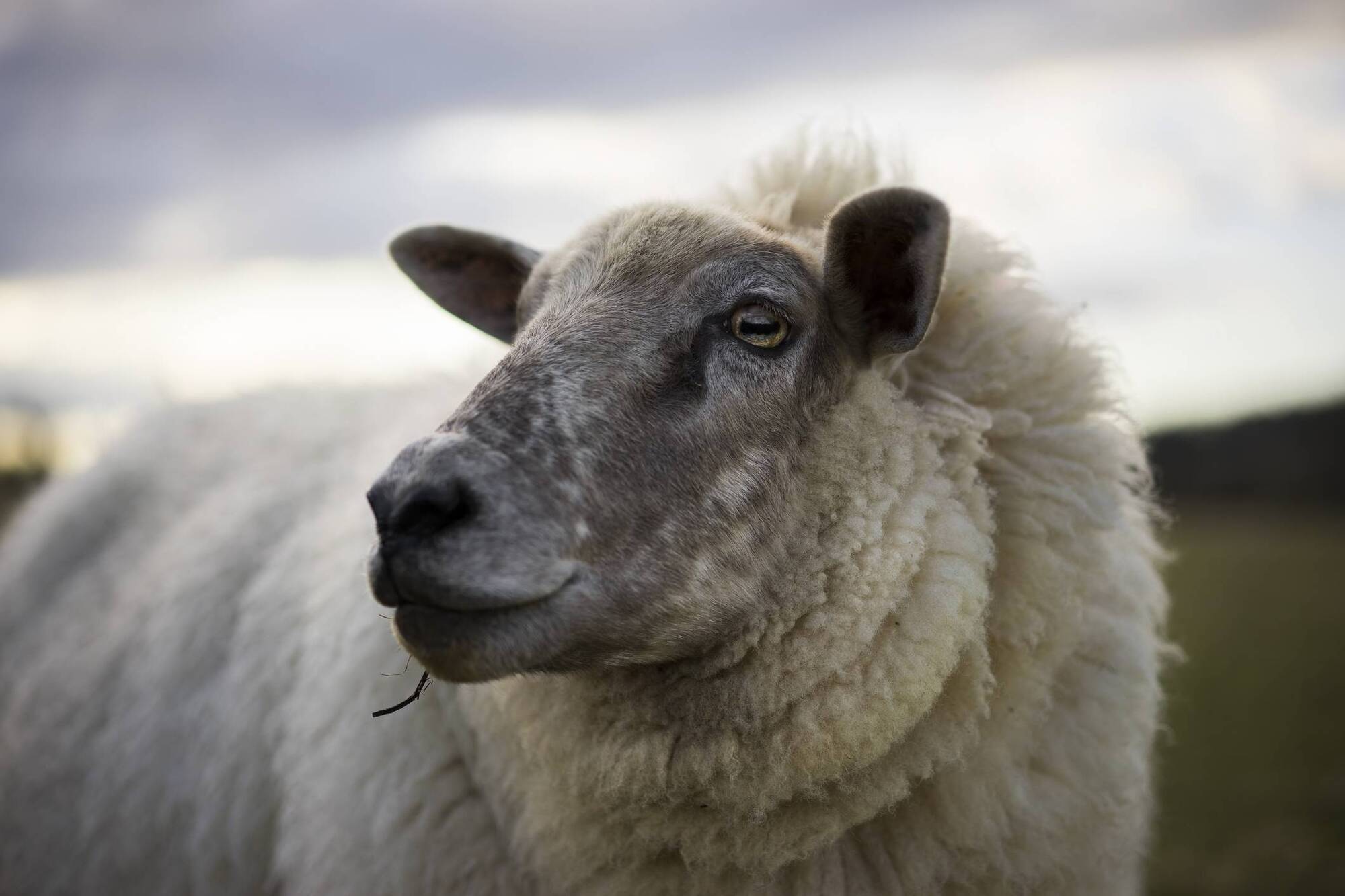
Bluetongue can infect all ruminants and camelid species and is spread by biting midges, writes farm vet Hazell Mullins.
One lesson I learned from my vet school reunion in Nottingham last week was that despite what we think we are certainly not 22 anymore and my body let me know of this rude truth all too well on Sunday morning.
It was fascinating to hear people’s life synopsis of the last decade, I have some very ambitious friends who have done amazing things in the veterinary world. It was also lovely to meet all the new honorary newborn members of the year group - it's amazing how life moves so fast.
Travel has made up a huge part of some of my year’s lives, their degree bringing them to places worldwide. It got me thinking about how infectious disease differs due to climate and biodiversity all over the world, the diseases that I treat here in Cork are only the tip of the iceberg of what could potentially be endemic here.
I had a particularly interesting conversation with a vet who had worked in cattle practice in France and the emerging diseases they have had to deal with in recent years.
It was a coincidence that we spoke about Bluetongue virus, which has become very topical this week with the news of the latest case discovered in the UK.
Irish vets received the first Bluetongue news alert in September from the department that the virus was found on four sheep farms in the Netherlands, and another alert in October with news of spread to Belgium and Germany.
The UK case is currently restricted to one individual cow in Kent with a 10km temporary control zone in place around the farm in question.
Sheep are known to exhibit more severe clinical signs than cattle and camelids. Bluetongue can sadly be fatal, with the Netherlands reporting mortality rates of 50% in some cases.
Bluetongue, luckily, does not pose a risk to humans and does not affect food safety, yet it can cause severe welfare implications for animals affected.
Bluetongue can infect all ruminants and camelid species, which includes alpacas. It is spread by biting midges (Culicoides), and having these vector insects already in Ireland increases our risk for the potential for the spread of bluetongue if a live infected animal is imported and subsequently bitten.
Bluetongue is not a contagious disease due to the midge to animal spread, however, if the midges become infected in a country, it is then classed as a disease outbreak. Currently, the UK is screening the midge population to assess for infection.
A possible spread of the disease from Europe to us here in Ireland would be via windblown midges; however, at this time of year the midge population is lower and this will hopefully, help with the containment of the case in Kent. Live exports are the biggest threat currently to Ireland and the introduction of the virus to the country.
Importing of asymptomatic pregnant animals is an added risk due to the ability to transfer the virus to the fetus in the uterus, which is then born as a source of infection for the midge to discover.
The main concern with this outbreak in the Netherlands and the case in the UK is due to the new serotype of the virus (BTV3). There is a lack of knowledge of the cross-protection available from the original Bluetongue vaccine licensed in other European countries, not currently in Ireland.
Live export is now currently restricted from the UK to the island of Ireland to limit the risk of spread, and surveillance of animals imported since October 1 is ongoing.
Another disease on our doorstep is Epizootic Haemorrhagic Disease (EHD), which I must admit I didn’t know a lot about until I received an update from Veterinary Ireland about it at the end of September.
EHD is a viral disease that affects ruminants. Biting Midges (Culicoides) is the main transmitter of the virus.
It was first found in Europe in 2022 in Sardinia; later that year, it spread to Spain and Portugal. France is now the latest country to have a confirmed case this September, this was in cattle on three farms near the Spanish border.
EHD presents with clinical signs such as fever, loss of appetite, respiratory distress and difficulty swallowing. Haemorrhages in multiple tissues such as the skin and heart lend to the Haemorrhagic aspect of the disease's name.
Unfortunately, the clinical signs are quite similar to other diseases, like any notifiable disease; when suspected, the local regional veterinary office (RVO) must be informed.
As an island, we are lucky that perhaps we are more naturally protected against the spread of this emerging disease, however, the threat of importing the disease and midge migration are serious risks to our biosecurity.
Farmers and vets need to stay vigilant to the ever-changing climate and subsequent risk of new diseases in Ireland.
After all the excitement of reunions and the cell check award, I am looking forward to a peaceful few weeks on the farm before my next chapter as Veterinary Ireland President for 2023/2024 begins at the end of November.
- Hazell Mullins BVM BVS, is a large animal vet based in Carrignavar, Co Cork.