Make sure you're ready as season's first fluke cases emerge
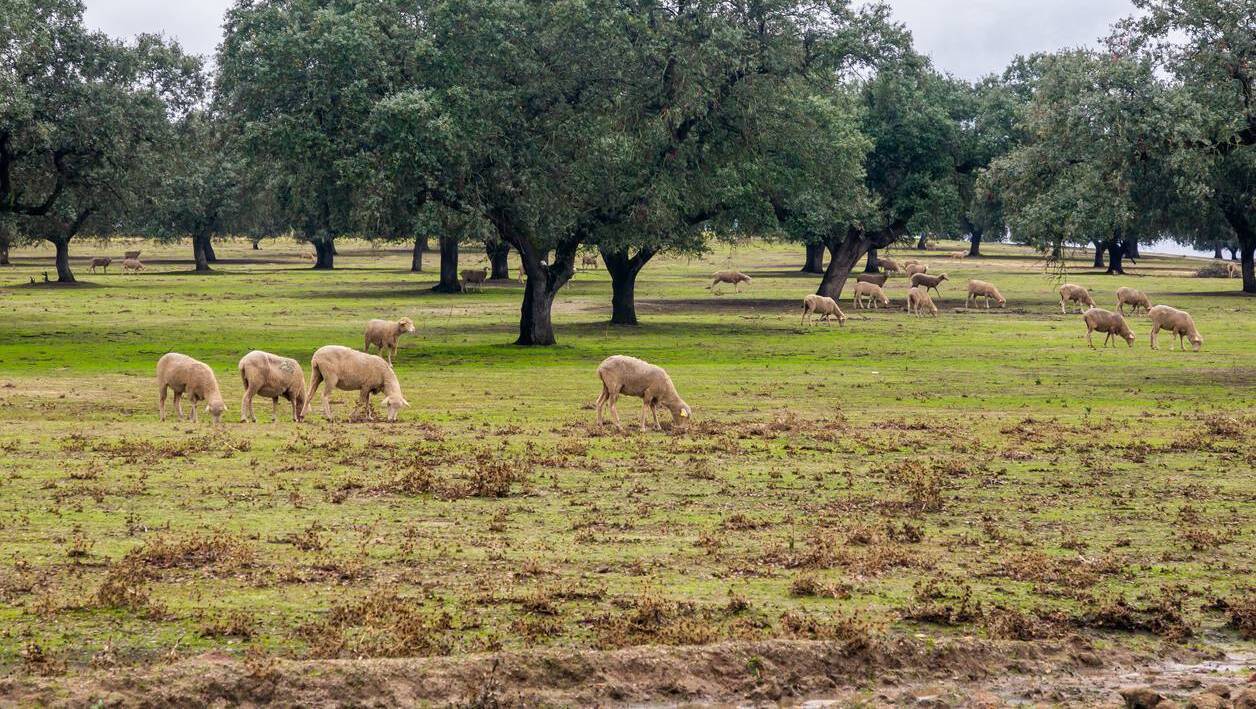
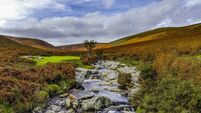
Wet ground can be a “fluke paradise”.
Time truly flies, it only feels like yesterday that I was boarding the plane to Nottingham as a vet student but now I am about to get that same flight for our 10-year reunion.
It is interesting to look back on the last ten years as a vet in practice; it has been a rollercoaster, some great days and some terrible days, but would I do it all again?
Without the network of friends and contacts in Veterinary, I certainly wouldn’t be as informed about what is going on in other parts of the country and other practices.
An example of this is whilst walking the dogs last week, my phone buzzed with an incoming WhatsApp from the regional vet lab alerting a group of vets about an acute fluke case in a sheep they received in the lab earlier that day.
It makes complete sense as to why such a case could occur, considering the “fluke paradise” weather we have been experiencing of late.
Occasionally, you may see sheep with extreme weakness, reluctance to move, jaundice and anaemia due to the damage to the liver.
Another scenario that can present in association with liver fluke infection that also causes a similar sudden death in sheep is the co-infection of the liver with Clostridia novyi. It is an example of how liver fluke can predispose to other diseases as the immature fluke causes damage as they migrate through the liver tissue.
Sheep are most commonly affected by this co-infection, which highlights the importance of keeping their clostridial vaccination up to date.
To recap, the signs of chronic liver fluke include scour, weight loss, lethargy, anaemia and bottle jaw caused by a lack of protein metabolism by the damaged liver.
Understanding the life cycle is an important aid to understanding liver fluke treatment and prevention. The reason why wet weather plays such a significant role in their life cycle is that a snail that is part of the Lymnaea family is a compulsory intermediate host for the completion of the fluke's lifecycle.
Diagnosis is complicated due to the long life cycle, as they need to produce eggs in order to be able to count them in a faecal sample.
At this time of year, however, if infection is present, some eggs should be detectable in the faeces. An alternative faecal test exists called the Coproantigen test; it measures the secretions released from immature fluke from five weeks, which is useful for detecting earlier stages of infection.
Abattoir feedback is very valuable; about ten years ago, we had a significant issue with fluke on the farm, and it was showing up on our abattoir reports.
Individual blood sampling or bulk milk sampling for fluke antibodies can give an indication of early infections; however, be aware that antibodies can stay high for a few months post-treatment.
Prevention starts with identifying more likely fluke habitats on the farm is the first step, and then limiting the grazing in these areas.
For example, fencing off a pond that may exist on the farm would be an excellent place to start.
What do the geese also eat? Yes, the water snail - the essential part of the flukes' lifecycle, a fantastic example of how biodiversity can prevent disease.
Treatment can aid prevention because if there are fewer eggs deposited onto the pasture, then there will be fewer snails infected, and the life cycle will be halted. The question is, What dose and when do you give it?
This is the challenge with fluke dosing; understanding the life cycle is essential to grasp the treatment protocols. Doses range from killing adult mature fluke at 10-12 weeks old down to early immature fluke at two weeks old.
No dose will kill immature liver fluke stages (less than two weeks); tricalbendazole is the drug in question and would be what is required in a flock where an acute case of fluke had occurred.
Saying that, if worms are evident on an FEC, then a combination dose is warranted. It is always best to chat through the options thoroughly with your vet, as some drugs need to be given at specific times, achieve high kill rates and prevent having to dose again.
Sheep farmers need to be aware that sheep are gazing longer during fluke season than cattle and need to be monitored for fluke infection.
Two doses of a flukicide may be necessary in fluke-prone farms due to this prolonged grazing period. After dosing, they can potentially consume more fluke eggs that will need to be killed later in the winter/ early spring. For any farmers with calves outwintering, this prolonged exposure concept is also relevant.
Be aware that acute fluke cases are occurring in flocks in Ireland presently, and to be proactive in their prevention, talk to your vet today if you are concerned about liver fluke in your flock.
I'm excited to see some familiar faces at the reunion in Nottingham and also to see how the Vet school itself has changed over the years not to mention all the extra wrinkles we now have.
I’m happy to say that I’m still that enthusiastic vet student at heart, still learning on the job every day... vet school was only really the beginning. Would I do it all again? Absolutely.
- Hazell Mullins BVM BVS, is a large animal vet based in Carrignavar, Co Cork.