Continental breeds expected to lose points in new beef indexes
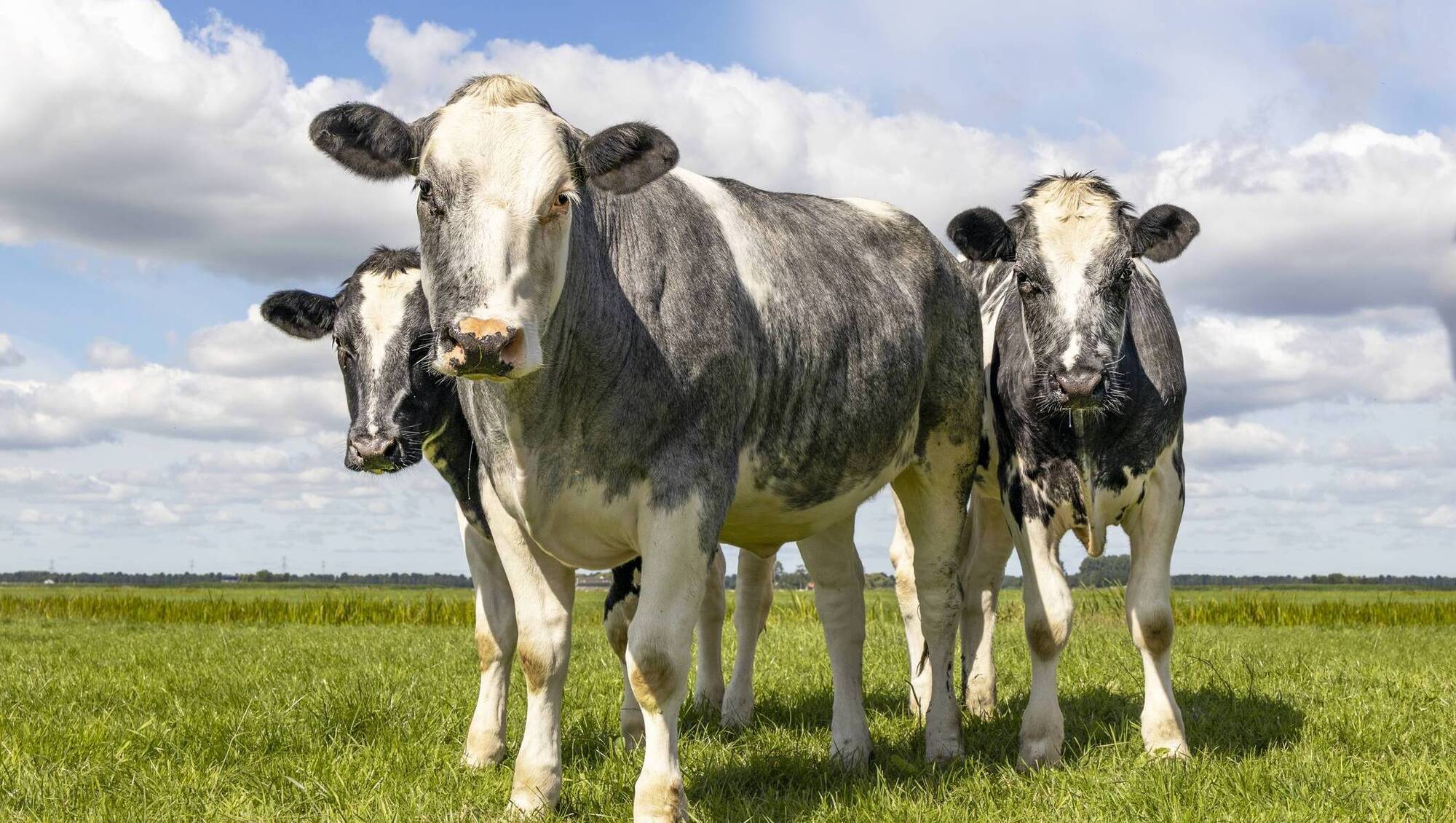
Continental breeds are expected to lose ground to earlier maturing breeds such as Hereford and Angus, which are favoured by adding age at slaughtering to evaluations.
Plans to achieve one-fifth of the emissions reductions required in agriculture by tweaking cattle breeding have collided with well-established, market-led trends in the beef industry.
Diehard fans of continental beef breeding have been taken aback by the impending shake-up of genetic evaluations after climate action was added by the Irish Cattle Breeding Federation to the evaluation system.
New genetic evaluations for earlier finishing age were developed by the ICBF and are being built into their ongoing evaluations of the Commercial Beef Value, Terminal, Replacement, Dairy Beef and EBI indexes.
This is part of the switch in emphasis in beef genetic indexing, away from calving, growth, and carcase towards cost and environmental impact (which is coming to the forefront in view of agriculture's binding target to reduce emissions 25% by 2030).
However, the impending big shake-up in the genetic merits of the dozen or more beef breeds used in Ireland (and within these breeds) has upset many farmers.
This shake-up will become obvious later this month, in the first major revision of the ICBF's replacement and terminal breeds since 2015. Continental bulls are expected to lose ground to earlier maturing breeds such as Hereford and Angus, which are favoured by adding age at slaughtering to evaluations.
ICBF said its board has approved the improvements to both the Terminal and Replacement beef indexes after several years of Teagasc and ICBF research.
It said indexes were not updated while the Beef Data and Genomics Programme (BDGP) continued, despite obvious changes in output prices and costs of production, but will now change ahead of the commencement of the Suckler Carbon Efficiency Programme (SCEP).
"Considering carbon in a national beef breeding index is a world first and follows the approach taken for the Irish dairy breeding indexes last year," according to ICBF.
"The inclusion of the age at finish trait will allow an economic value and a carbon weight to be attributed to the trait. This will result in increased profitability and reduced carbon footprint, by reducing age at slaughter for a constant level of fat in animals destined for prime beef production".
The changes have left suckler farmers scratching their heads. In the first six months of 2023, the top eight AI sires they chose for their cows were Charolais (at No 1, 6 and 8) or Limousin. Both No 9 and 10 were Angus bulls. But their bull choices may now be outdated by the inclusion of age to slaughter in genetic evaluations, and of other traits which are important for climate action.
The suckler farmers were guided by the beef markets and mart prices to choose Continental breeding for valuable weanlings and for high-grade heavy carcases.
However, the thinking behind genetic re-evaluation is that earlier finishing age can, on its own, significantly reduce emissions by 2030 at no extra cost for farmers and the beef industry.
According to ICBF researchers, tweaking the genetics for dairy and beef can deliver as much as one-fifth of the emissions reduction required for the agriculture sector.
In this new era for beef breeding, more consideration is being given to the cost of each extra day it takes to slaughter an animal (including daily methane and other emissions). Hence the building in of an age-at-slaughter trait in evaluations, to identify sires that will have progeny ready for slaughter at a younger age.
For example, the calculation of the updated Dairy Beef Index now includes a cost penalty of €1.35 per day. According to the ICBF, it is the first beef breeding objective in the world to include an age-at-slaughter trait, and a carbon sub-index.
ICBF is on a mission to identify genetically superior animals whose carbon footprint reduces year by year. However, this clashes with market forces that beef farmers are very well aware of, from watching mart prices and factory dockets.
Because of that, the changes in genetic evaluations (which are perhaps the most complex part of the technology and science behind farming, and above the heads of most people other than geneticists) will not divert many suckler farmers away from their favourite breeds, as long as they are still required by the markets. Many farmers have spent decades developing their breeding lines, and will not easily veer away from them.
The first to feel pressure from the new evaluations may be farmers joining the five-year SCEP suckler scheme, who hadn't been in the previous BDGP scheme. Such farmers might have to move away from their favourite breeds, if it becomes harder for them to find the four or five star bull to sire their calves, or four or five star rated heifers or cows. A farmer that fails the scheme's four or five star requirements may be removed from SCEP and have to return SCEP payments.
Farmers who already came through the BDGP are likely to have enough star-rated animals already in their herds to delay any pressure to divert away from their favourite breeds.
Eventually, the new genetic evaluations may encourage some to change their system of farming from late-maturing to earlier-maturing breeds, which have their own attractions for cattle farmers, including valuable breed bonuses paid at the beef factories.
The Irish Hereford Breed Society says 97% of Hereford heifers and 62% of Hereford bullocks can be finished off grass, in a low-input, early finishing calf-to-beef system - very important in reducing carbon emissions but also economically positive for farmers.
The Irish Angus Producer Group says grass-fed Angus cattle have a reduced environmental impact, and naturally mature early, which results in lower carbon emissions.
Interested breeders can get more information by signing up for a Teagasc and ICBF webinar today, November 2, at 8pm.