Strong marketing for Irish beef has drastically changed demand
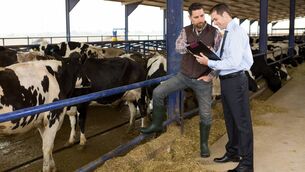
The deluges of rain over recent weeks has continued to push stock off the land, either to factories or into the yards.
The peak of season intake of cattle at the factories is putting slight pressure on the prices this week, while resistance from suppliers is having a tempering effect on the outcome on the ground.
The supply for last week was the highest for 2023 with the throughput at the factories topping just over 40,000 head.
While some of the processing plants are trying their hand at reducing their quoted prices by 5 cents/kg, the need for the strong numbers of cattle is aiding the producer resistance to any price reduction.
The deluges of rain over recent weeks has continued to push stock off the land, either to factories or into the yards as the winter-like conditions came early, reducing the options for cattle farmers with stock at or close to being finished.
The positive side is that there is an open market for all available finished cattle. Prices are falling short of expectations for those who bought in expensive stores earlier in the year.
But the demand for stock has undermined any intentions that the processors may have had to bring the Autumn price lower. The need for intake is mitigating opportunity for further price cuts.
The steers are being quoted at 455-460 cents/kg, depending on the location of the factory and local supply of cattle, but the finishers are being equally tactful in laying off the factories against each other for the stock.
Most of the steers going through this week are expected to show prices averaging close to 460 cents/kg overall, with most of the weaker locations on price in the lower region of the country.
The trading pattern is broadly similar for the heifers. Factories quoting a base of 460 cents/kg are finding it difficult to get the supply for less than a base of 465 cents/kg.
The positive card playing into the hand of producers is the strong demand for beef on the markets which is keeping pressure on the processors to meet their requirements for their weekly kill.
It is not long ago that a weekly intake of more than 39,000 head for the factories would have been their dream situation to slash prices and offer their suppliers a 'take it or leave it' option.
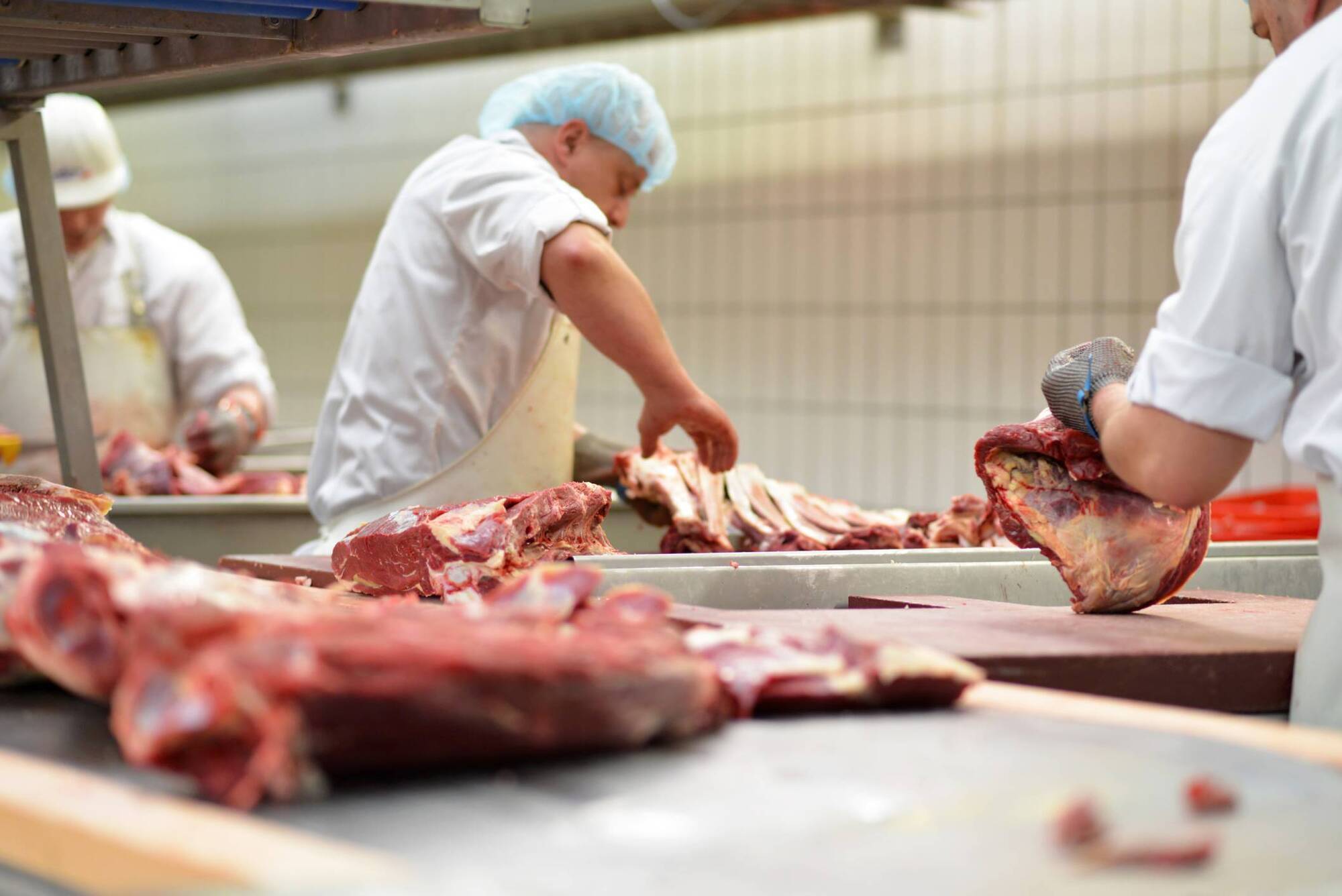
Strong marketing for Irish beef, which the Irish processors have played a big part in, has drastically changed that situation, which no longer applies as the export plants now have demand for an intake at the level that would have been excessively oversupplied not many years ago.
The young bulls continue a strong trade at 475-480 cents/kg for R grade, while the cull cows are also in strong demand at up to 430 cents/kg for Rs this week.
Intake at the factories reached a year-to-date high of 40,098 head which included 18,093 steers, 10,475 heifers, 9,356 cows and 1,628 young bulls.