Farm legal advice: Am I responsible for fallen trees from my farm?
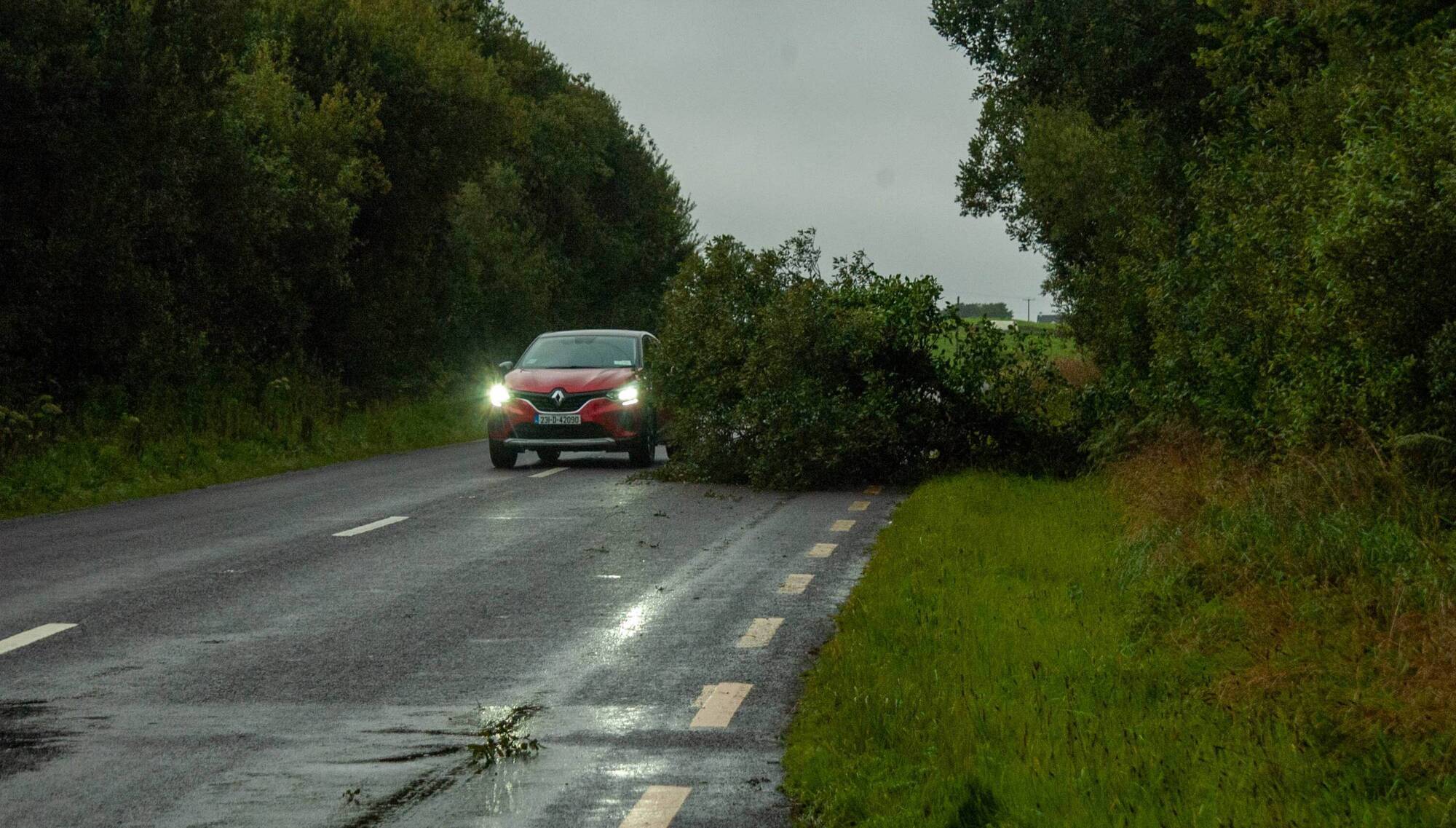
The owner of the land that the fallen tree has come from will be held liable for any accidents. File picture: Evan Doak
Dear Reader
There is an obligation on every owner and/or occupier of any structure and the owner or occupier of any land on which a structure is situated to take all reasonable steps to ensure the structure or the use of the structure is not a hazard or potential hazard to persons using a public road and that it does not obstruct or interfere with the safe use of a public road or the maintenance of a public road.
The law as it stands, is that the owner of the land on which a tree is occupied which is a danger to adjoining land, or to road users, is liable for any damage it causes if negligence of the landowner is proved.
Fallen trees can result in damage and road accidents regularly during the winter months. The owner of the land that the fallen tree has come from will be held liable for these accidents in a case where negligence is proven.
You should check your lands for dangerous or falling trees. If you are in doubt about a tree being a hazard, hire a tree surgeon to carry out an inspection of the tree or trees.
Section 70 of the Roads Act 1993 provides that the owner or occupier must take reasonable steps to ensure that any structure on his or her land is not a hazard, or a potential hazard, to people using the public road.
In an agricultural environment, overgrowing shrubs and trees can sometimes impinge on public roads, and regular maintenance is essential to avoid overgrown shrubs and trees from posing a hazard to the safety of others on the road.
It is important for farmers to take into consideration Section 17 of the Forestry Act 2014 when they decide to cut down a tree which they deem a hazard.
This section states that it is illegal to uproot any tree over 10 years old or cut down any tree of any age, including trees which form part of a hedgerow, without a licence.
A felling licence can be obtained from the Felling Section of the Forest Service of the Department of Agriculture or from any Garda station. The licence may include conditions such as environmental and replanting conditions.
When a farmer does wish to carry out works such as trimming or removing dangerous trees, hedges and ditches interfering with traffic, or obscuring a view of the road ahead, it is important adequate signposting is provided to make road users aware of the obstruction ahead.
The council and the gardaí should be notified before carrying out such works. If you wish to employ a contractor, it is essential to ensure any person carrying out the work is competent and has adequate public liability insurance that covers the contractor against any unforeseen consequence of the work.
Local authorities and the ESB have certain powers to deal with dangerous trees that overhang roads. Section 70(2) of the Roads Act 1993 holds that where hedges or trees are a hazard or a potential hazard to people using a public road, the local authority may serve a notice on the farmer or occupier of the land requiring them to fell, cut or trim the tree within the period of the notice.
If you fail to comply with such a notice, you will be guilty of an offence.
In stormy weather, it is important for farmers to act quickly and responsibly in respect to falling or fallen trees. Fallen trees can cause damage and leave a landowner legally liable.
- Email: info@walshandpartners.ie - Web: www.walshandpartners.ie