Lungworms, the dreaded 'Re-infection syndrome' - and what to do about them
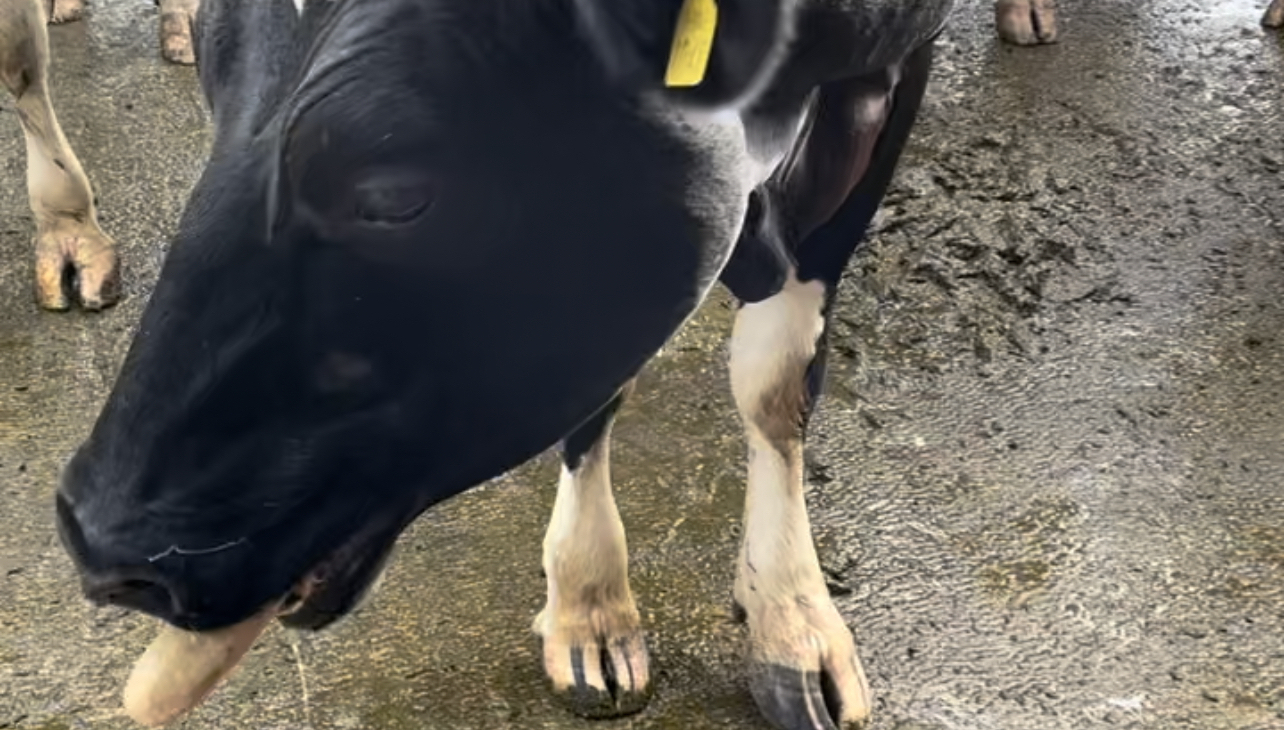
Coughing cows are a common sign of lungworms on a farm.
Storm Agnes was a reminder of how the weather can have such an influence on both farming and vetting. Luckily, it fell on a Wednesday so it meant the extreme sport of "Storm TB testing" was avoided.
The farm is still standing, apart from a few stray branches, the fields on the other hand got a real hammering. It is looking like the rain is adamant on continuing, which indicates it could be an early housing year for 2023.

Next week, the weanlings' booster injection for pneumonia is due to ensure they are covered for housing; if you haven’t discussed pre-housing vaccination with your vet this could be the time.
Making sure the lungs are clear of lungworms at housing is something I preach about; I think the lower risk of lung damage is one of the key components of pneumonia prevention at housing, alongside vaccination and environment monitoring.
Speaking of lungworms, they have raised their little larval heads again in my cows this week with a symphony of coughing in the parlour and the waiting yard.
As I have said before, a coughing cow in the parlour is something that, unfortunately, on our farm, is a regular summer occurrence and now is creeping into autumn.
And talking of storms, September has been the perfect storm for lung worms, we had our lovely long overdue heat wave followed by copious amounts of rain.
The warm weather allows a fungus called Pilobolus to form on the dry cow dung and when the rain comes the fungus (plus its lungworm larva passenger) gets fired into the air to reach the lush tasty grass.
Coughing cows may not be lungworm, and a test called a Bronchiolar lavage (BAL) is the gold standard for the diagnosis of respiratory disease in cows. A tube is placed by the vet into the lungs, sterile water is infused and immediately extracted again.
The contents of the lavage fluid can contain the lungworm larva themselves, immune cells and mucus. It can then be sent for culture and PCR for pathogens such as viruses. I have never been lucky enough to get larva back on a sample however I have seen examples from colleagues many times, and it is very satisfying to see them as a diagnosis is confirmed.
In a previous case of a recurrent coughing cow issue in practice, I performed a BAL on four cows, I found no larva and on sending it to the lab they confirmed this. Interestingly, the fluid contained many parasite-bias immune cells called Eosinophils that indicated an allergic response to a parasite.
Re-infection syndrome was suspected in this case as the immune system was launching an excessive response to the larva, which was causing initiating the coughing. BALs are an excellent option for the investigation of a cough that isn’t dose-responsive or makes a rapid return; contact your vet if you think your cows need to be investigated further.
My cows were dosed using an eprinomectin pour on in July; the persistent action of this product is four weeks against lungworm larvae. As mentioned before, the larval immunity lasts for six months, so with normal exposure to further larva, the cow should be able to eliminate the parasite without the aid of dosing.
Unfortunately, due to large burdens and this immunity being overwhelmed, a further dose is required. This frustrates me as I am trying to make a conscious effort to reduce dosing on the farm.
The only consolation is that this late September dose will also do as their housing dose for worms, and we will wait until our last of four liver fluke results on bulk milk testing to decide on their need for a liver fluke dose.
Prevention of lungworm going forward on the farm will involve a more strategic pasture rotation plan when it comes to cows grazing potentially heavy-burden pastures post calf grazing. For any autumn-calving herds, the lungworm vaccine “HuskVac” could be a great option, as these calves will have the 14 weeks necessary for the vaccine to be administered correctly.
It can also be an option for this year’s weanlings to boost immunity for next year's grazing season, to complete the same regime but again will need 14 weeks of housing; we may have to think about using this as an option going forward. If you are having issues with coughing cows or other animals on the farm contact your vet to discuss treatment options and further prevention.
Like the Ireland vs. South Africa match, our battle with lungworms on our farm is far from over.
In other news, the samples I took for Neospora from my two late repeating cows came back negative, which is good news however, 'Detective Mullins' is not best pleased with the lack of answers.
October is upon us now, I am looking forward to the cosy evenings enjoying my new home, not the impending drying off-season.