Breaking the dog-to-cow transmission cycle of Neospora
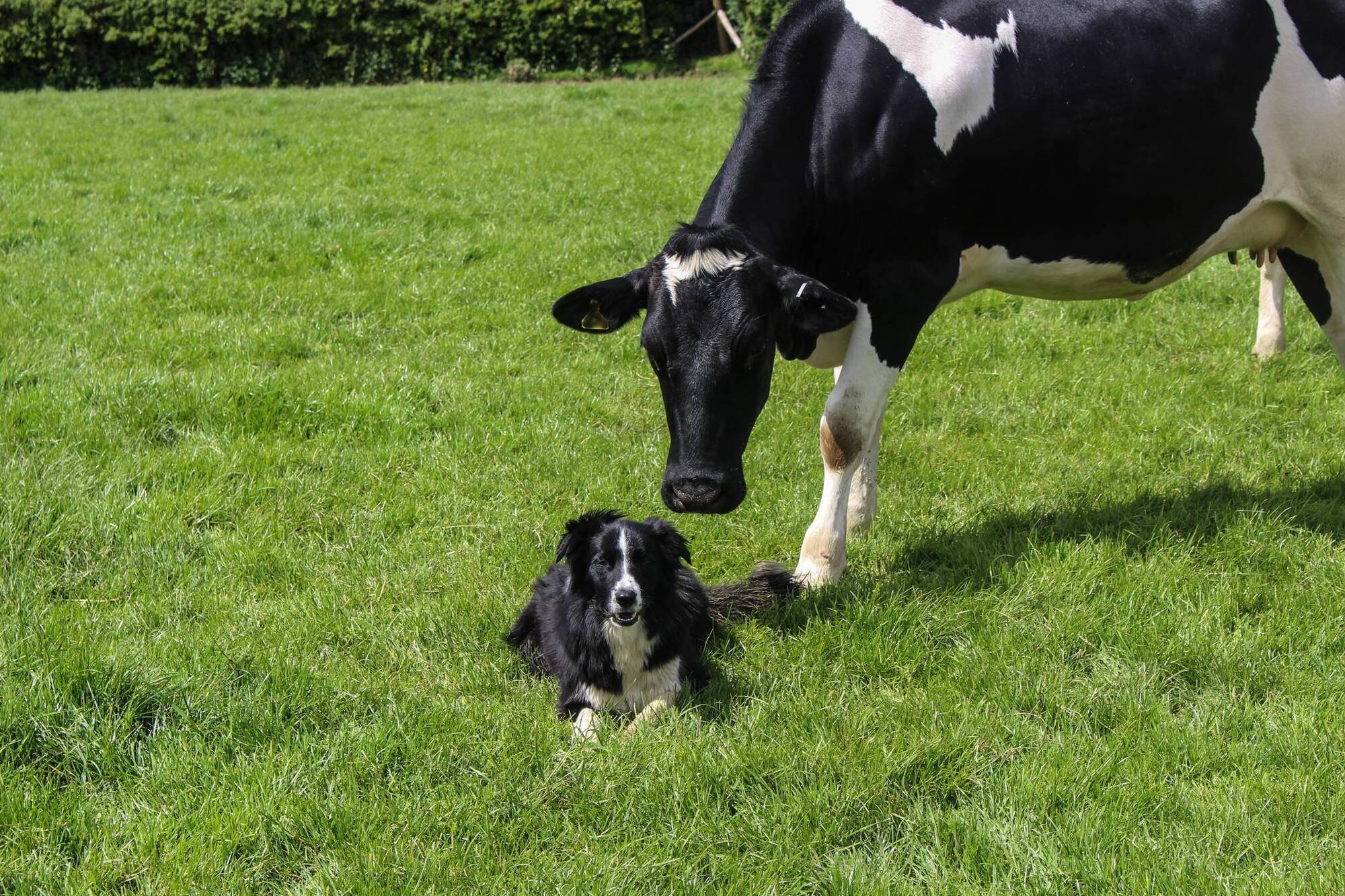
Neospora is a form of parasite that infects cows and is a major cause of cattle abortions in Ireland. The life cycle involves both the cow herself and the dog which forms the host.

Last week as I received an unexpected message from a farmer that I used to be their vet for many years, wishing me well on my marriage but also asking a favour. A request to cover the topic of Neospora in cattle with emphasis on how the dog plays a critical component in continuing this parasite's life cycle.
Neospora is a form of parasite that infects cows and is a major cause of cattle abortions in Ireland. The life cycle involves both the cow herself and the dog which forms the definitive host meaning they are responsible for egg production in the environment.
The cow is the indirect host which means there are no eggs produced but the parasite can be transmitted to their offspring via the placenta in the womb. The dog must ingest the Neospora parasite that is present in the cow's placenta, in an aborted fetus or even in raw meat from an infected cow.
The cow is the indirect host which means they are not involved in egg production, however, they spread the infection to their calves in the womb via the placenta.
The farmer's request came at a good time as September is approximately the 5-6 month pregnancy mark for a spring calving herd, which is the most common time for a Neospora abortion to occur. We sadly had a cow in the heat last week on the farm who was 95 days served, I know that this is outside the “expected” time frame for abortions but Neospora doesn’t necessarily read the rule book as it can also cause early embryo loss and return to service in cows.
I took blood from this cow as a screening test for Neospora and I am still awaiting the result. Due to the number of dogs on the farm, it is a disease that is always on our minds to screen for continuously. We also perform four routine bulk milk samples in the year as part of our co-op milk screening package and they have all been negative since we began testing over five years ago.
The interpretation of results Neospora can be difficult, antibodies levels can be low despite being infected until around the time of calving when the cow's immune system triggers an antibody response. The bulk milk sample taken in October/November time is usually the most accurate for bulk milk testing. If the sample is positive it would approximately mean that there is 20% or more of the herd infected at the time of the sample.
On the flip side, a negative bulk milk sample could still mean there are cases in the herd but due to the dilution effect, it appears as a false negative. Around the time of abortion, the antibody levels should be at their highest hence why blood testing for Neospora alongside the statutory brucellosis requirement is worthwhile. Sending the fetus or placenta to your local regional vet lab is always beneficial for any abortion and they can diagnose Neospora through tissue analysis.
Neospora’s transplacental spread from cow to calf can result in several scenarios, a calf can be born as a congenitally infected calf with no clinical signs which are very common, a full-term non-infected calf, or a calf with limb deformities which are less common outcomes. The congenitally infected calf, if a heifer can then spread it to her future calf if she gets pregnant. As you can tell it’s not a straightforward disease and there are a lot of possible outcomes from one individual case.
The importance of breaking the dog-to-cow transmission cycle through responsible dog ownership is vital for the prevention of Neospora. Contrary to popular belief there has been no conclusive evidence that foxes are a host, more research needs to be carried out. The dog must ingest the parasite in the placenta, aborted material first to get infected and they stay infected for life. However they only shed eggs for a short time, puppies and elderly dogs are the biggest shedders of the disease, meaning the new collie pup is suspect number one. Puppies can show neurological signs of Neospora when they are infected via their mother in the womb and it can be fatal.
Keeping dogs away from the calving shed, removing placentas as soon as possible, and disposing of them accordingly is an essential step in breaking the cycle. For dog owners who may think their dogs are un-infected, it may have been passed to them as puppies from their mothers or via the feeding of raw beef.
The farmer's permission should always be sought before walking in any grazing fields and "scooping that poop" is essential to avoid the cross-contamination of the cow's feed with Neospora eggs. Education is critical here to know the risks for both the dog and cow and implement preventative strategies for both species. I have been asked "Does worming my dog kill Neospora?", Unfortunately, it doesn't but it is very important to keep your dog’s wormers up to date in general. Treatment is not an option in cows currently and there is no vaccine available.
Preventing cow-to-calf spread is achieved through the diagnosis and identification of positive animals. If your Johnes blood testing is due around the dry period, a Neospora test can be added on for a surcharge to the lab fee if the disease is suspected on the farm. Testing maiden heifers close to calving also can identify young cases allowing their mothers to be traced and tested subsequently. Dairy cows can be put in calf to a beef bull to make sure that positive breeding animals are not born on the farm and allowed to continue in the herd as adults
. Keeping a closed herd, especially not buying in breeding stock can help to keep infected animals out of your farm. Pre-purchase blood sampling is an option if breeding animals have to be bought in however remember a negative test that isn’t 4-10 weeks from calving could be a false negative, and a re-test may be warranted.
Eradicating Neospora from a herd can take time, so make sure to discuss with your vet the best-tailored plan for your herd if you suspect an issue. If you are a dog owner please be mindful of the potential danger your dog could pose to cows.
I am eagerly awaiting the result from my cow, and I will keep you updated. Next week is a week of TB testing and house-moving mayhem, I won’t miss those endless IKEA plastic boxes.