Nitrates a 'ticking timebomb' for agriculture industry
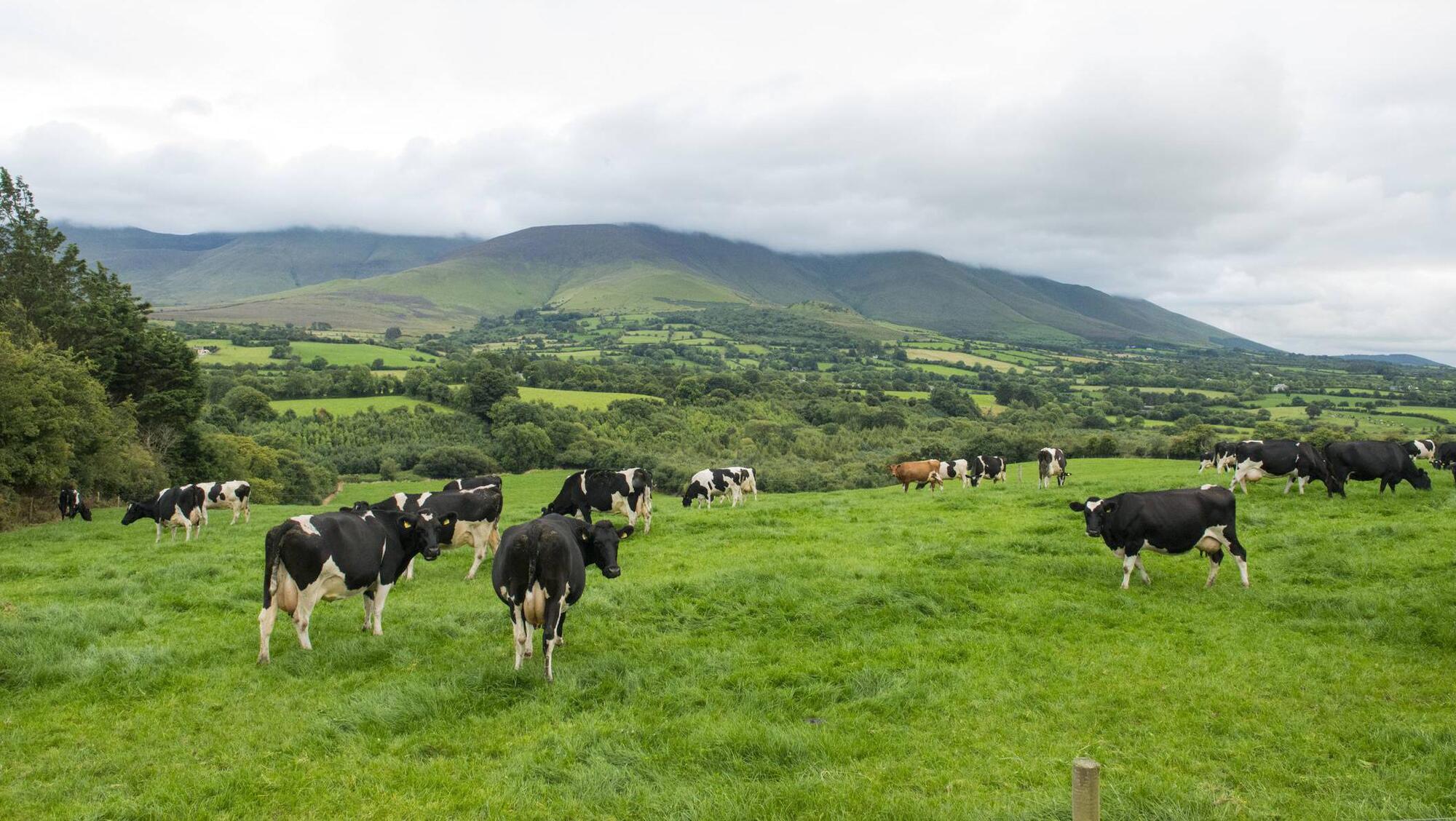
The Environmental Protection Agency's (EPA) recent report shows that nitrates "remain too high in rivers, groundwater, and estuaries in the south-east, south-west and midlands and eastern regions".
Farmers' fears over the "ticking timebomb" that threatens their industry are growing as a possible cut to the nitrates derogation is nearing.
Minister for Agriculture Charlie McConalogue is being urged to go before the Oireachtas Joint Committee on Agriculture, Food and the Marine in the coming weeks to answer questions on the matter.
Fine Gael senator and vice-chairman of the committee Tim Lombard said that "unless we get moving in the next few weeks, the potential of us losing the derogation is very possible, and what that means for us as an agricultural entity is huge".
The Environmental Protection Agency's (EPA) recent report shows that nitrates "remain too high in rivers, groundwater, and estuaries in the south-east, south-west and midlands and eastern regions".
While negotiations are continuing, the EPA’s report has gone to the commission.
The report is part of the interim review process of the Nitrates Action Programme. The review was required by the European Commission as part of granting Ireland’s nitrates derogation.
The report outlines the regions that could be required to reduce their organic nitrogen stocking rate to 220kg per hectare from 250kg in 2024 under the derogation, as a result of the effect of agriculture on water quality in these areas.
This would likely see a reduction in herd numbers, and put further pressure on the land market.
Tim Lombard said that the minister must "come before the committee as soon as possible" to discuss what the department is doing to try and maintain the current derogation level, and to outline its engagement with the European Commission.
Mr Lombard said there cannot be a "situation that the minister will come before us towards the middle of or late September" when the summer recess finishes, and "the committee members are very conscious we need to move on this in an appropriate time manner and that means meeting in the month of August".
"I don't believe we should be waiting any longer regarding trying to get that pressure that's required on the commission to try to get a suitable solution to the nitrates issue," Mr Lombard said.
"This is a ticking timebomb for the agricultural industry."
A spokesperson for the Department of Agriculture confirmed "that an invitation to attend the Oireachtas Joint Committee on Agriculture, Food and the Marine was received by Minister McConalogue at the end of July".
"The minister has always made himself available to the committee and awaits final confirmation of a suitable diary date," the spokesperson added.
Mr Lombard said that the minister "needs to come out battling" on this, and that the department must urge commission officials to also visit Ireland in the coming weeks.
"It's a multi-billion euro industry, a derogation cut will see a massive cut in our output, not alone this will have an impact on the farmers but it will have a huge impact on the industry and the processing side as well," the Cork South West senator added.
"I think a percentage of farmers are aware of it but not the majority; I think there's a view out there that this is only an issue that affects the dairy farmer, but this is affecting everyone, this is affecting the tillage farmer all the way to the beef farmer.
"This is in many ways a crossroads for Irish agriculture, in my opinion if we lose our 250kg, what would be next is the ultimate question?"
Last month, the EPA went before the agriculture committee.
Its director Eimear Cotter told the committee that agricultural activity is "one of the main sources of nutrient losses to water in Ireland and is a significant pressure on approximately 1,000 water bodies".Â
"These impacts are seen throughout the country and are associated with all types of agricultural activities," Ms Cotter said.Â
"High nitrate levels are a particular problem in the south and south-east, where they are associated with freely draining soils and more intensive agricultural activity.
"As well as being too high, nitrogen levels in groundwaters, rivers and estuaries have increased over the past 10 years since their lowest point in 2012-2013."